
Apprenticeship Path & Quality Checker
1. Choose Your Target Sector
Select the environment that aligns with your long-term goals:
Homes
Offices
Factories
2. Employer Quality Audit
Check the boxes that apply to the employer you are interviewing:
Quick Takeaways for Your Search
- Prioritize companies with a proven track record of promoting apprentices to journeymen.
- Look for a variety of work (residential, commercial, and industrial) to build a versatile skill set.
- Avoid "churn-and-burn" shops that hire ten apprentices but only have one qualified mentor.
- Ensure the employer provides a clear path toward certification and licensure.
The Truth About the "Best" Employer
There is no single "best" company in the world, because the best employer for you depends on where you want to end up. If you want to run your own business one day, a small residential outfit might be your best bet. You'll see how the owner handles billing, customer service, and scheduling. If you want to work on massive skyscrapers or power plants, a large industrial firm is the only way to go. When you're vetting a company, look at their Journeyman count. A Journeyman is a licensed electrician who has completed their apprenticeship and is qualified to supervise others. If a company has twenty apprentices but only two journeymen, you're going to be left alone on job sites making guesses. That's a recipe for a dangerous mistake or a failed inspection. You want a ratio where you're actually being watched and corrected in real-time.Residential vs. Commercial vs. Industrial Paths
Your choice of employer dictates your daily life for the next half-decade. A residential employer usually sends you to homes. You'll learn how to fish wires through old walls and install ceiling fans. It's fast-paced and highly visible, but the pay can be slightly lower than in heavy industry. Commercial employers work on offices, retail stores, and hospitals. You'll spend a lot of time dealing with Conduit, which is the protective tubing used to route electrical wiring in commercial buildings. This is where you learn the "neat and tidy" side of the trade-bending pipe perfectly and running complex circuits in large ceilings. Industrial work is the heavy hitter. Think factories, refineries, and warehouses. You'll deal with high-voltage systems and complex PLC (Programmable Logic Controllers). These systems are industrial computers used to automate manufacturing processes. Industrial employers often offer the highest pay, but the environments can be harsher and the safety requirements much stricter.| Feature | Residential | Commercial | Industrial |
|---|---|---|---|
| Primary Skill | Wiring & Troubleshooting | Conduit & Distribution | Automation & High Voltage |
| Work Environment | Homes/Apartments | Offices/Retail | Plants/Factories |
| Learning Curve | Fast/Varied | Structured/Repetitive | Technical/Complex |
| Pay Potential | Moderate | High | Highest |
Red Flags to Watch For During Interviews
Not every company that says they are "hiring apprentices" is actually training them. Some companies just want cheap labor. If an employer tells you that you'll be "learning by doing" but can't explain what your classroom schedule looks like, be careful. A legitimate apprenticeship is a partnership between you, the employer, and a training body. Watch out for the "tool trap." Some employers will insist you buy a massive, expensive kit of professional tools on day one. While you need the basics, a good mentor will tell you exactly what to buy as you progress. If they force you into a $2,000 tool investment before you've even touched a wire, they might be more interested in your wallet than your education. Another warning sign is the lack of a structured pay scale. In a quality electrician apprenticeships program, your pay should increase at set intervals-either every six months or upon completing specific modules of your schooling. If your pay is "based on performance" or "up to the manager," you're more likely to be underpaid for years.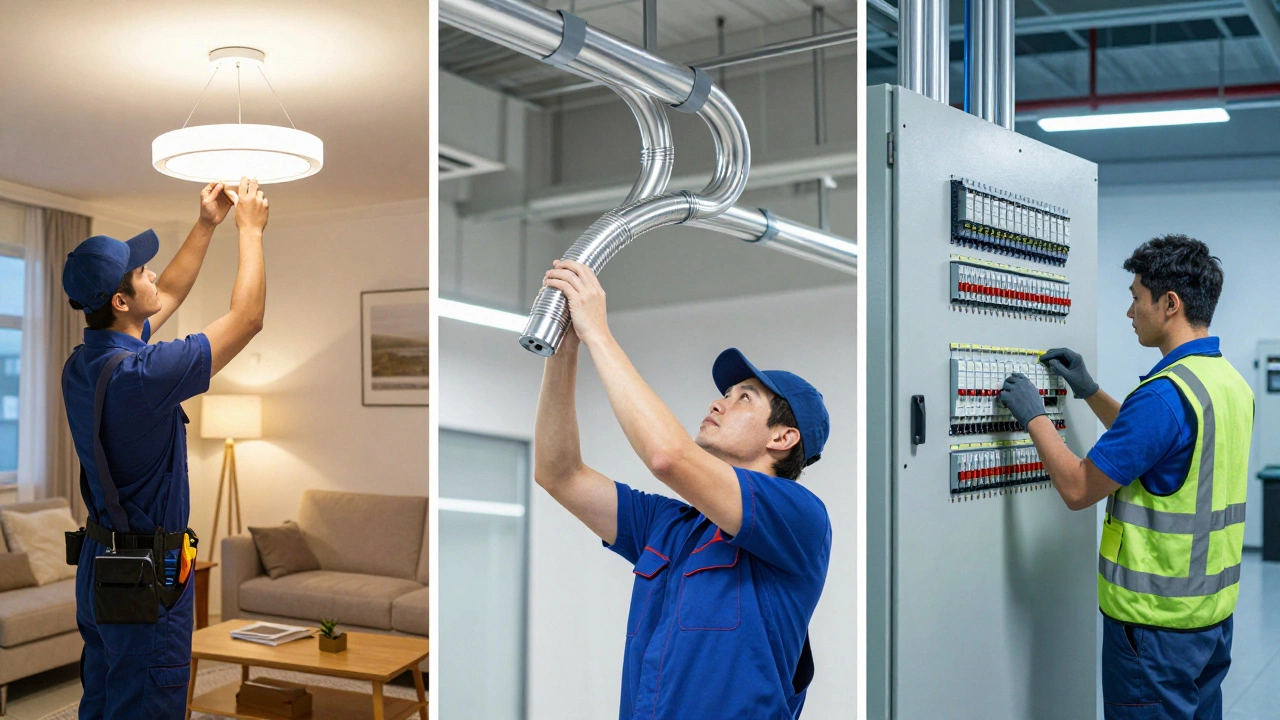
How to Spot a Gold-Standard Mentor
Your relationship with your direct supervisor will determine whether you love or hate this trade. A great mentor doesn't just tell you *what* to do; they tell you *why* you're doing it. If you're told to strip a wire a certain way and you ask why, and the answer is "because I said so," that's a red flag. A good mentor will explain the National Electrical Code (NEC)-the standard for safe electrical installation and maintenance in the United States-and show you exactly which section of the code dictates that specific action. Ask current apprentices at the company how they feel. Do they feel supported? Are they getting a variety of tasks, or are they just the "cleanup crew"? If the apprentices all look miserable and avoid eye contact, you've found your answer.The Role of Unions vs. Non-Union Shops
This is the oldest debate in the trades. Union employers, such as those affiliated with the IBEW (International Brotherhood of Electrical Workers), typically offer the most structured training. The IBEW is one of the largest labor unions in North America, providing standardized training and benefits for electrical workers. With a union, the curriculum is set, the pay is negotiated, and the benefits are usually top-tier. Non-union (open shop) employers offer more flexibility. You might get a faster start or have more room to negotiate your specific role. However, the burden of ensuring your training is complete falls more on you. You have to be your own advocate. If you aren't getting the experience you need for your license, you have to speak up or find a new employer.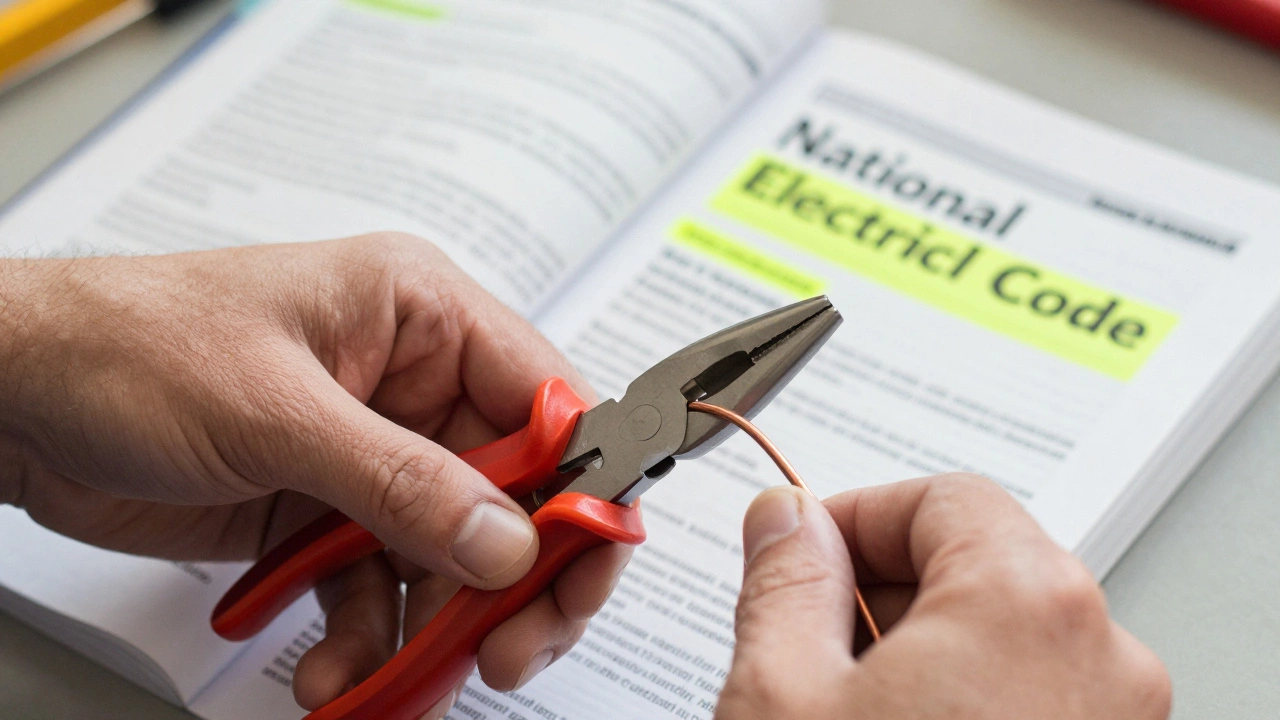
Questions to Ask Before You Sign
Don't walk into an interview just hoping they like you. Walk in as a professional who is interviewing them. You are providing your labor in exchange for an education.- "What does a typical day for a first-year apprentice look like here?"
- "How do you track my progress toward my licensure hours?"
- "Who will be my primary mentor, and what is their experience level?"
- "What happens if I struggle with a specific part of the classroom theory?"
- "Can you show me examples of the types of projects I'll be working on in the next six months?"
How long does it take to complete an electrician apprenticeship?
Typically, it takes 4 to 5 years. This includes a specific number of on-the-job hours (usually around 8,000) and several hundred hours of classroom instruction. The exact timing depends on your local laws and whether you are in a union or private program.
Do I need to go to college before starting an apprenticeship?
Not necessarily. A high school diploma or GED is usually the minimum requirement. Some people attend a trade school for a pre-apprenticeship certificate to make themselves more attractive to employers, but many start directly with an apprenticeship.
What is the difference between a helper and an apprentice?
A helper is generally an unskilled worker who assists an electrician but is not necessarily enrolled in a certified training program. An apprentice is a student of the trade who is officially registered for licensure and is following a structured path toward becoming a journeyman.
How much do apprentices usually get paid?
Pay varies wildly by region and sector. However, most programs start you at a percentage of the journeyman rate (e.g., 40-50%). As you pass your exams and gain experience, your percentage increases every year until you hit 100% upon licensure.
Can I switch employers during my apprenticeship?
Yes, you can, but it's a move you should make carefully. Ensure your new employer accepts the hours you've already logged. If you are in a union, the union usually handles your placement, making the transition much smoother.