Trade Salary Estimator
Select a trade and adjust parameters to see your estimated earnings.
Walk into any hardware store or construction site in Auckland right now, and you’ll hear the same complaint: "Can’t find a good sparky." It’s not just a local gripe; it’s a global reality. While office jobs chase remote work trends, skilled trades are quietly becoming the new gold standard for income stability and growth. If you’re asking what is the highest paying trade, the answer has shifted significantly over the last decade. It’s no longer just about who can lift the heaviest hammer-it’s about who can master complex systems.
The landscape of manual labor has changed. We aren't talking about low-skill, high-exertion work anymore. We’re talking about specialized technical expertise that requires years of training, certification, and continuous learning. The highest paying trade isn't one single job title but a category of roles where supply meets high demand. For 2026, the top contenders are clear, and understanding why they pay so well helps you make a smarter career choice.
Why Skilled Trades Are Outearning Office Jobs
There’s a persistent myth that you need a four-year university degree to make six figures. In the world of trades, that idea is outdated. The reason certain trades command premium salaries comes down to three factors: scarcity, complexity, and risk.
- Scarcity: Fewer young people are entering apprenticeships compared to college enrollment. This tightens the labor pool, pushing wages up.
- Complexity: Modern infrastructure isn't simple. You don't just wire a wall; you integrate smart home systems, solar arrays, and EV charging stations.
- Risk: Working with high voltage, heavy machinery, or pressurized pipes carries inherent danger. Employers pay a premium for safety and precision.
Unlike corporate roles where layoffs can happen overnight due to market shifts, tradespeople are essential. Hospitals need power. Homes need heat. Factories need maintenance. This consistency creates a floor under your salary that rarely drops during economic downturns.
The Top Earning Trades in 2026
Let’s look at the numbers. Salaries vary by region, experience level, and specialization, but here is how the top tier stacks up in developed markets like New Zealand, Australia, and the US.
| Trade | Avg. Entry Level | Avg. Experienced (5+ yrs) | Key Specialization Driver |
|---|---|---|---|
| Electrician | $45,000 - $55,000 | $75,000 - $110,000+ | Solar/EV Integration |
| Plumber | $40,000 - $50,000 | $65,000 - $95,000 | Gas Fitting/Mechanical |
| HVAC Technician | $38,000 - $48,000 | $60,000 - $90,000 | Commercial Systems |
| Elevator Mechanic | $42,000 - $52,000 | $70,000 - $100,000 | High-Rise Maintenance |
Note: Figures represent approximate annual earnings in USD-equivalent terms for major English-speaking markets. Local currency variations apply.
Why Electricians Hold the Crown
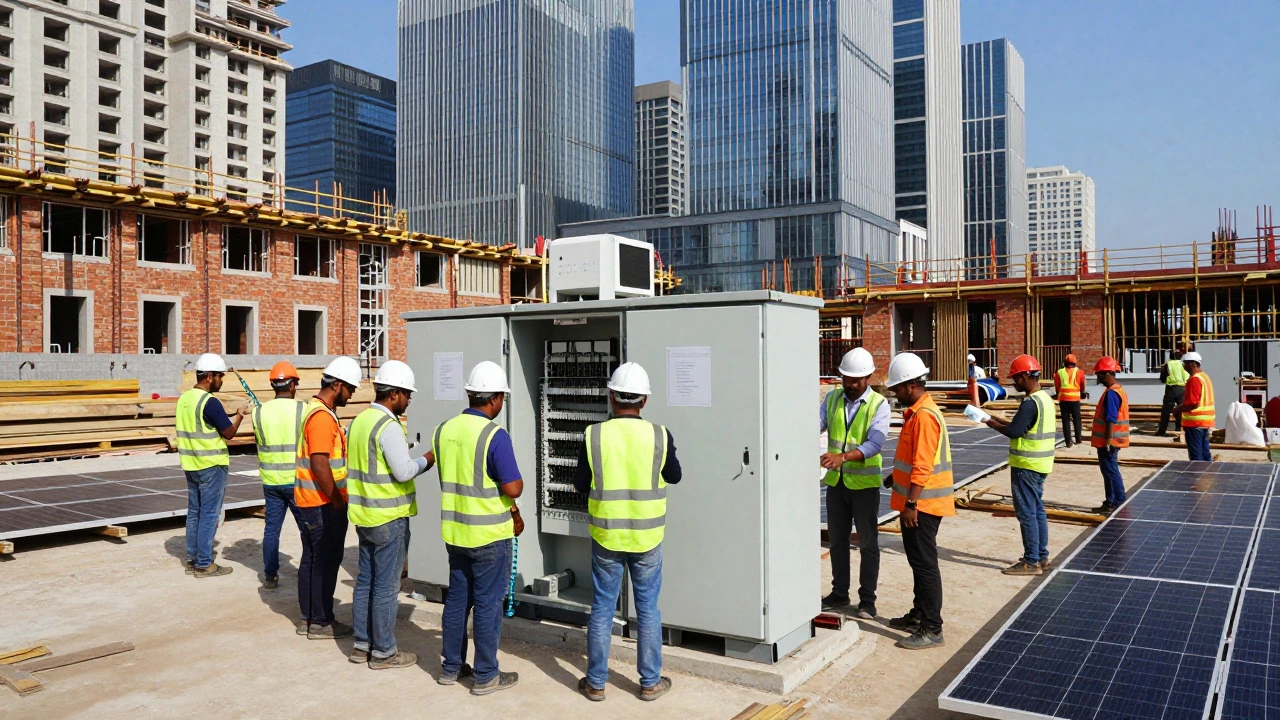
If you want to know specifically why Electrician is often cited as the top earner, look at the technological shift happening around us. Ten years ago, an electrician installed outlets and light switches. Today, they design energy ecosystems.
The rise of renewable energy has transformed the role. An electrician in 2026 needs to understand:
- Photovoltaic Systems: Installing and maintaining solar panels requires knowledge of DC circuits, inverters, and battery storage.
- EV Infrastructure: Home and public charging stations are becoming standard fixtures, requiring specific load calculations and code compliance.
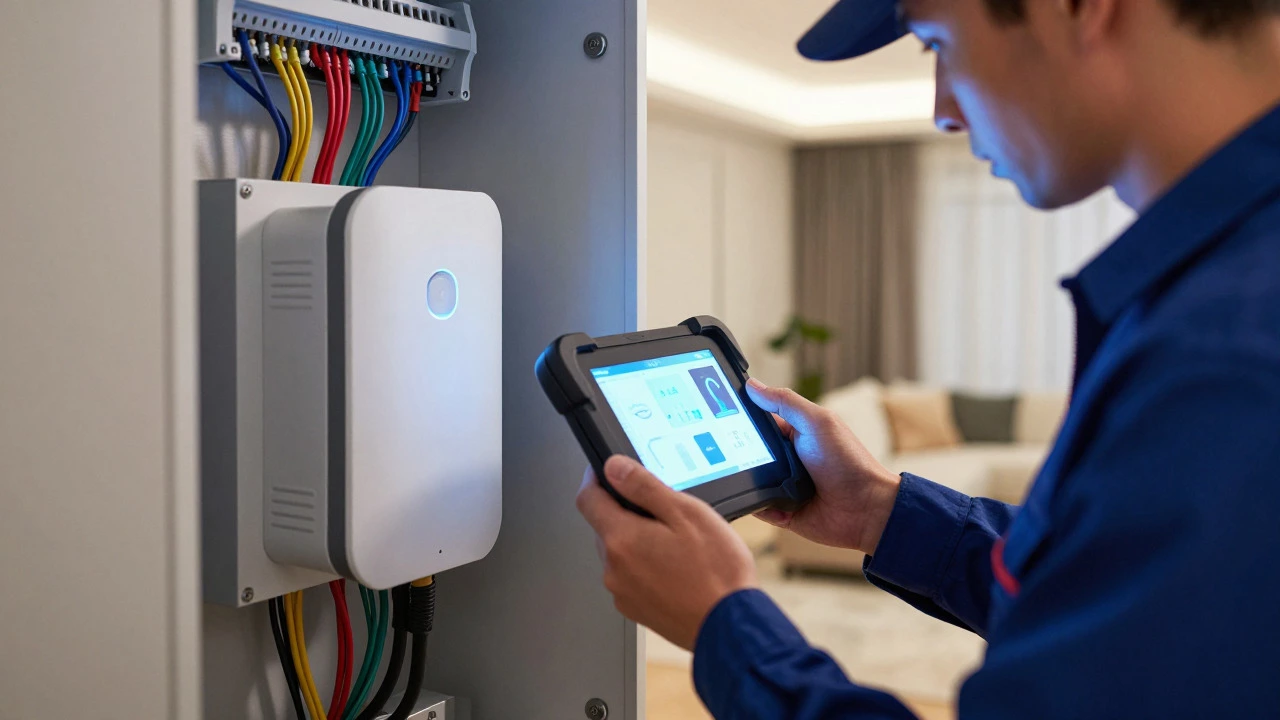
- Smart Automation: Integrating lighting, security, and climate control into a single network demands IT-adjacent skills.
This hybrid skill set-part traditional craftsmanship, part modern technology-creates a barrier to entry that keeps wages high. You can’t just pick up a wrench and start working; you need certified competence in both electrical theory and digital systems. That specialization is what commands the premium pay.
The Path to High Earnings: Training and Certification
Knowing which trade pays well is useless if you don’t know how to get there. The path is structured but demanding. Here is the typical journey for a high-earning electrician:
- Apprenticeship (3-4 Years): You work under a licensed master while completing classroom hours. This is where you learn the fundamentals of wiring, safety codes, and tool usage.
- Journeyman License: After passing state or national exams, you become independent. Your salary jumps significantly here because you can take on solo jobs or supervise others.
- Master Electrician License: This allows you to pull permits, design systems, and run your own business. This is where the real money is. Master electricians often earn 30-50% more than journeymen.
- Specialized Certifications: Adding credentials in solar installation, industrial controls, or biomedical equipment can add another 10-20% to your base rate.
The investment in time is substantial, but the return on investment is strong. Unlike student loans from university, trade debt is usually lower or non-existent if you choose employer-sponsored programs. You earn while you learn.
Local vs. National Opportunities
Your location matters. In urban centers like Auckland, Sydney, or New York, costs of living are higher, but so are wages. However, rural areas often have fewer qualified tradespeople, meaning less competition for jobs and potentially faster promotion to supervisory roles.
Consider this scenario: A journeyman electrician in a mid-sized city might earn $60,000. The same person moving to a remote mining town or a rapidly developing suburban area might earn $80,000 for the same amount of work simply because there are fewer options for employers to hire from. Flexibility in location can be a powerful lever for increasing your income without changing your core skill set.
Beyond the Wages: Benefits and Longevity
Salary is only part of the picture. High-paying trades often come with robust benefits packages that office jobs sometimes lack.
- Pension Plans: Many union-affiliated trades offer defined-benefit pensions, which are rare in the private sector today.
- Health Insurance: Union contracts frequently include comprehensive medical and dental coverage.
- Job Security: With aging infrastructure and new construction continuing, the demand for maintenance and repair is perpetual.
Furthermore, physical longevity is improving. Modern tools are lighter, safety standards are stricter, and many roles involve more diagnostic thinking than brute force. An electrician who focuses on residential and commercial interiors rather than high-voltage line work can maintain a healthy career well into their 60s.
Common Misconceptions About Trade Careers
Before you jump in, let’s clear up a few myths that hold people back.
"It’s too hard physically." Yes, it’s active work. But it’s not constant heavy lifting. Much of the job involves crawling into attics, climbing ladders, and standing for long periods. Good posture and proper gear mitigate most strain.
"You need to be a math genius." You need practical math. Ohm’s law, circuit calculations, and load balancing are the main challenges. If you can handle high school algebra, you can handle trade math. It’s applied, not theoretical.
"No customer service required." Actually, customer service is huge. The best-paid tradespeople are those who communicate clearly with homeowners and contractors. Being polite, punctual, and explaining technical issues in plain language sets you apart and leads to repeat business and referrals.
How to Choose Your Path
If you’re torn between trades, ask yourself these questions:
- Do I prefer working inside or outside? (HVAC is often outdoor-heavy; Electrical is mixed.)
- Am I comfortable with heights? (Elevator mechanics and linemen require it.)
- Do I like troubleshooting logic puzzles? (Electrical and plumbing diagnostics are very logical.)
- How much do I value independence? (Self-employment is easier in some trades than others.)
For most people seeking the highest potential income with the broadest job availability, electrical remains the strongest contender. But if you love water systems and mechanical flow, plumbing offers similar financial ceilings with slightly different daily tasks.
Frequently Asked Questions
Is it worth going into a trade in 2026?
Yes. With automation affecting routine manufacturing and administrative tasks, skilled hands-on work is becoming more valuable. The demand for infrastructure maintenance and new energy installations ensures stable employment and growing wages for the next decade.
Which trade has the fastest path to high income?
Electricians and HVAC technicians tend to reach high income levels relatively quickly after obtaining their journeyman licenses, especially if they specialize in solar or commercial systems. Plumbbers may take slightly longer to reach peak earnings due to the depth of mechanical knowledge required for gas fitting.
Do I need a high school diploma to start a trade apprenticeship?
Most formal apprenticeship programs require a high school diploma or GED equivalent. However, some employers will hire candidates based on aptitude tests and willingness to learn, allowing them to complete education requirements concurrently with work.
What is the difference between a journeyman and a master electrician?
A journeyman electrician can perform most electrical work under supervision or independently on smaller projects. A master electrician has additional experience and passes a more rigorous exam, allowing them to pull permits, design complex systems, and legally run their own contracting business. Masters typically earn significantly more due to liability and responsibility.
Are trade careers physically dangerous?
All trades carry some risk, but modern safety standards have made them much safer than in previous decades. Electrical work involves shock hazards, which are mitigated by strict protocols like lockout/tagout. Compared to office jobs, the physical risks are higher, but the mental health benefits of tangible work and outdoor activity often balance out the equation.