Locksmith Career Investment & ROI Calculator
Configure Your Path
Financial Breakdown
₹0 - ₹0
*Based on average earnings for skilled locksmiths in urban India. Actual results vary by location and business acumen.
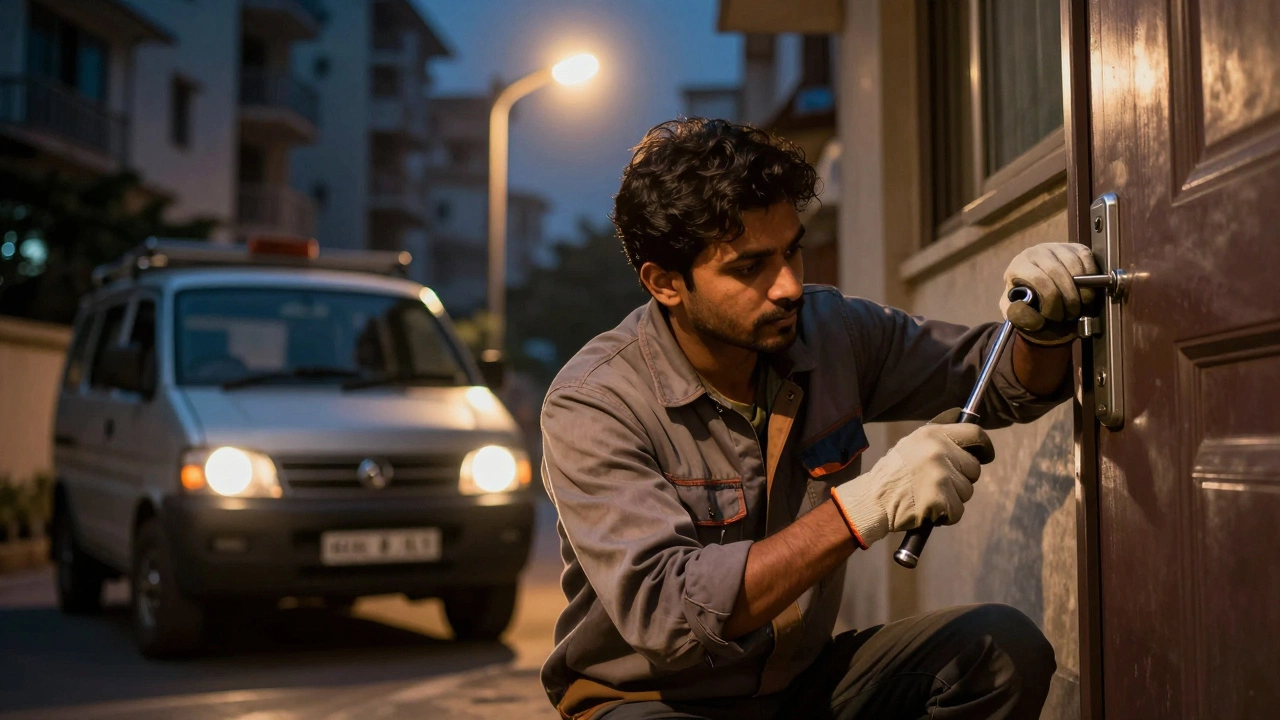
Imagine it’s 2 AM. A panicked call comes in: someone is locked out of their home with a toddler inside, or a commercial office has lost its master key. You grab your van, drive to the scene, and within twenty minutes, you have the door open without damaging the frame. To the customer, it looks like magic. To you, it’s physics, patience, and practice. But how hard is it actually to be a locksmith? The short answer is that the technical learning curve is manageable, but the physical and mental demands are steep.
The trade is often misunderstood as simply picking locks. In reality, it involves metalwork, electronics, security consulting, and emergency response. If you are considering this path, especially within the context of locksmith training in India, where the industry is shifting from traditional mechanical keys to digital access systems, you need to understand exactly what lies ahead. This isn’t just about turning a screwdriver; it’s about becoming a problem-solver under pressure.
The Physical Reality of the Job
Before we talk about courses or certifications, let’s address the elephant in the room: the body. Being a locksmith is physically demanding. You will spend hours working in awkward positions-crouching on concrete floors, reaching into tight spaces behind walls, or climbing ladders to reach high-mounted deadbolts. Your shoulders, back, and knees will take a beating if you don’t learn proper ergonomics early on.
- Repetitive Strain: Picking locks requires fine motor skills and steady hands. Doing this for eight hours a day can lead to tendonitis in your fingers and wrists.
- Environmental Hazards: You’ll work in attics filled with dust, basements with poor ventilation, and construction sites with debris. Protective gear isn’t optional; it’s essential.
- Emergency Stress: When a bank vault is stuck or a family is stranded, the pressure to perform instantly can spike your heart rate. Learning to stay calm while your muscles tense up is a skill in itself.
If you have chronic back issues or limited dexterity, this career might require significant adaptation. However, many locksmiths find that staying active and maintaining good posture turns these challenges into manageable parts of the daily routine.
Technical Complexity: From Pins to Pixels
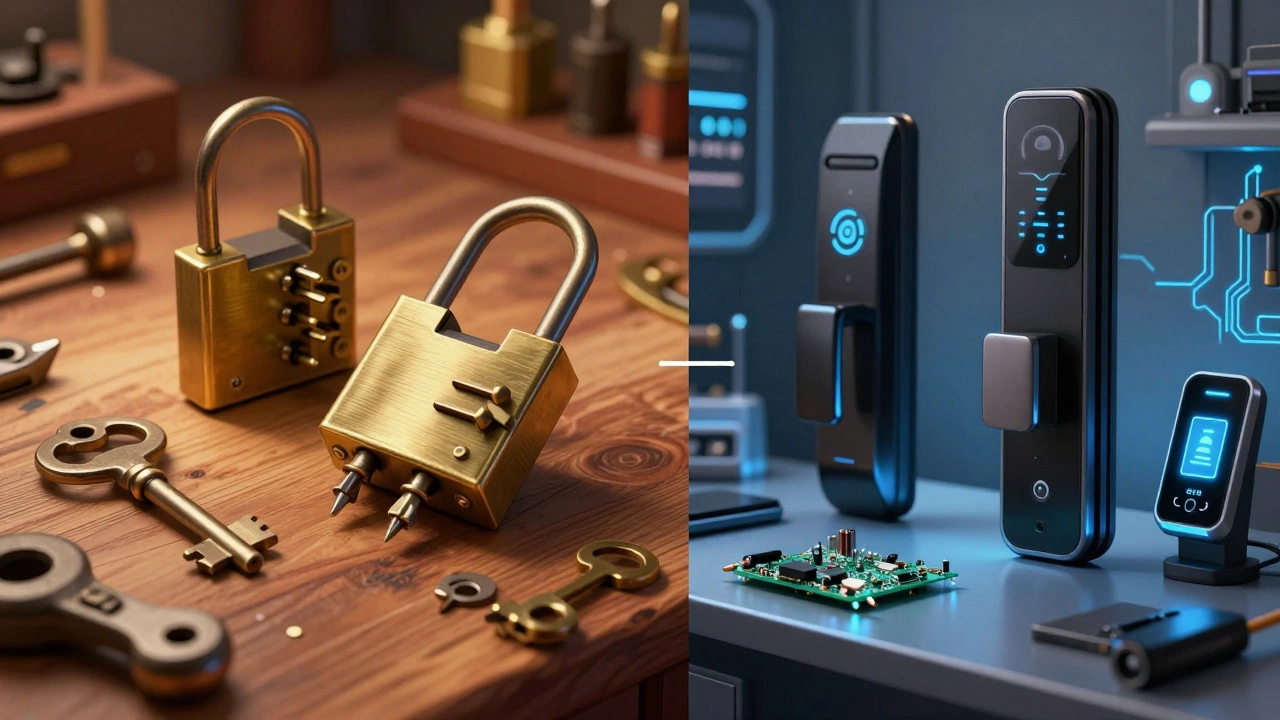
The difficulty of the technical side depends largely on which sector you enter. Traditional residential locksmithing is relatively straightforward once you master the basics of pin tumbler locks. You learn how pins stack, how tension works, and how to manipulate wafers. With dedicated practice, you can become proficient in opening standard doors in weeks.
However, modern locksmithing is far more complex. Today, a large portion of the market involves electronic access control. You aren’t just dealing with brass and steel; you’re dealing with circuit boards, RFID readers, biometric scanners, and software integration. If you want to service corporate offices or secure facilities, you need to understand:
- Electronic Locks: How to troubleshoot power issues, reprogram keypads, and replace faulty modules.
- Access Control Systems: Integrating hardware with software platforms that manage user permissions.
- Mortgage and Core Drilling: Precision cutting techniques that require expensive tools and steady hands to avoid ruining expensive locks.
In regions like India, the adoption of smart locks is accelerating rapidly. A locksmith who only knows mechanical keys will find themselves obsolete within five years. The "hard" part here is the continuous learning. You must keep up with technology updates, much like an IT professional, but with the added layer of physical installation.
Navigating Locksmith Training in India
When people ask about the difficulty of entering the trade, they often worry about the cost and availability of education. In India, the landscape for vocational locksmith training is evolving. Unlike countries with strict national licensing boards, India relies heavily on institutional certification and apprenticeships.
There are two main paths to get trained:
| Training Type | Duration | Cost Estimate (INR) | Pros | Cons |
|---|---|---|---|---|
| Institutional Courses | 3-6 Months | ₹15,000 - ₹40,000 | Structured curriculum, theory + practical, recognized certificates | Can be expensive, may lack real-world emergency experience |
| Apprenticeship | 1-2 Years | Low or Free (often unpaid initially) | Real-world exposure, mentorship, networking | Slow progress, dependent on mentor's skill level, inconsistent pay |
Institutions like the National Skill Development Corporation (NSDC) affiliated centers offer structured programs. These courses cover everything from basic lock anatomy to advanced security audits. The challenge here is finding a reputable institute. Many small workshops claim to offer "certified training" but lack the updated equipment needed for modern locks. Always check if the course includes hands-on practice with both mechanical and electronic locks.
Apprenticeships, while harder to find, provide the most realistic training. You learn by doing, seeing how experienced locksmiths handle difficult situations, negotiate prices, and manage time. The difficulty here is social: you must be willing to start at the bottom, carrying tools and assisting seniors before you’re trusted with the pick gun.
The Mental Game: Trust and Ethics
Perhaps the hardest part of being a locksmith isn’t the mechanics-it’s the trust. People invite you into their most private spaces. They hand over the security of their homes and businesses to you. This requires a high level of integrity and emotional intelligence.
You will face ethical dilemmas regularly. What do you do when a teenager claims their parents locked them out, but you suspect otherwise? How do you verify identity when there’s no ID card available? One mistake in judgment can lead to legal trouble or loss of reputation. Developing a keen eye for verification and a firm adherence to protocols is crucial.
Additionally, the job can be lonely. Much of your work happens alone, in vans or at job sites. You need to be self-motivated and disciplined. There’s no boss standing over your shoulder telling you to hurry up; the clock and the customer’s anxiety are your only supervisors.
Business Challenges and Market Competition
If you plan to start your own business, the difficulty shifts from technical to operational. The locksmith market is fragmented. In India, competition is fierce, with many untrained individuals offering services at lower rates. This creates a race to the bottom on price, making it hard for skilled professionals to compete.
To succeed, you must differentiate yourself. This means:
- Specialization: Focusing on high-security locks, automotive locksmithing, or smart home integration.
- Professionalism: Having branded vehicles, uniforms, and transparent pricing.
- Digital Presence: Most customers search online first. If you don’t have a website or verified listings on local directories, you won’t get the high-value calls.
The initial investment in tools can also be daunting. A professional toolkit, including drills, picks, impressioning tools, and electronic testers, can cost upwards of ₹50,000 to ₹1,00,000. Adding a reliable vehicle and insurance increases the barrier to entry significantly.
Is It Worth the Effort?
Despite the challenges, locksmithing remains a resilient career. Security is a perpetual need. As long as there are doors, safes, and cars, there will be a demand for locksmiths. The income potential is substantial, especially for those who specialize in emergency services or commercial installations.
The "hardness" of the job is subjective. If you enjoy solving puzzles, working with your hands, and helping people in stressful situations, the difficulties will feel like rewarding challenges. If you prefer predictable, low-stress environments, this career might not be for you.
For those looking into locksmith training in India, the key is to start with solid foundational knowledge and then continuously upgrade your skills. The industry rewards competence and reliability. Those who invest in proper training and build a strong reputation will find that the initial hurdles fade away, replaced by a stable and respected profession.
Do I need a degree to become a locksmith in India?
No, a formal university degree is not required. However, vocational certification from recognized institutions or completing a structured apprenticeship is highly recommended. Certificates from NSDC-affiliated centers carry weight in the industry and demonstrate your competency to potential employers or clients.
How long does it take to become proficient in locksmithing?
Basic mechanical skills can be learned in 3 to 6 months through intensive training. However, achieving proficiency in electronic access controls and complex security systems typically takes 1 to 2 years of combined study and practical experience. Continuous learning is essential due to rapid technological changes.
What are the biggest risks in the locksmith profession?
The primary risks include physical injury from tools and awkward working positions, liability for damages caused during lockouts, and ethical/legal risks if identity verification fails. Proper insurance, safety gear, and strict adherence to verification protocols mitigate these risks significantly.
Can I make a good living as a locksmith in India?
Yes, locksmithing can be lucrative, especially in urban areas with high demand for emergency services and commercial security solutions. Income varies based on specialization, location, and business model. Specialists in automotive or high-security electronic systems tend to earn higher rates than general residential locksmiths.
Is locksmith training expensive?
Formal institutional courses in India generally range from ₹15,000 to ₹40,000. Apprenticeships may have little to no upfront cost but involve lower initial earnings. The larger expense is usually the startup capital for tools and equipment, which can exceed ₹50,000 depending on the quality and variety of tools purchased.