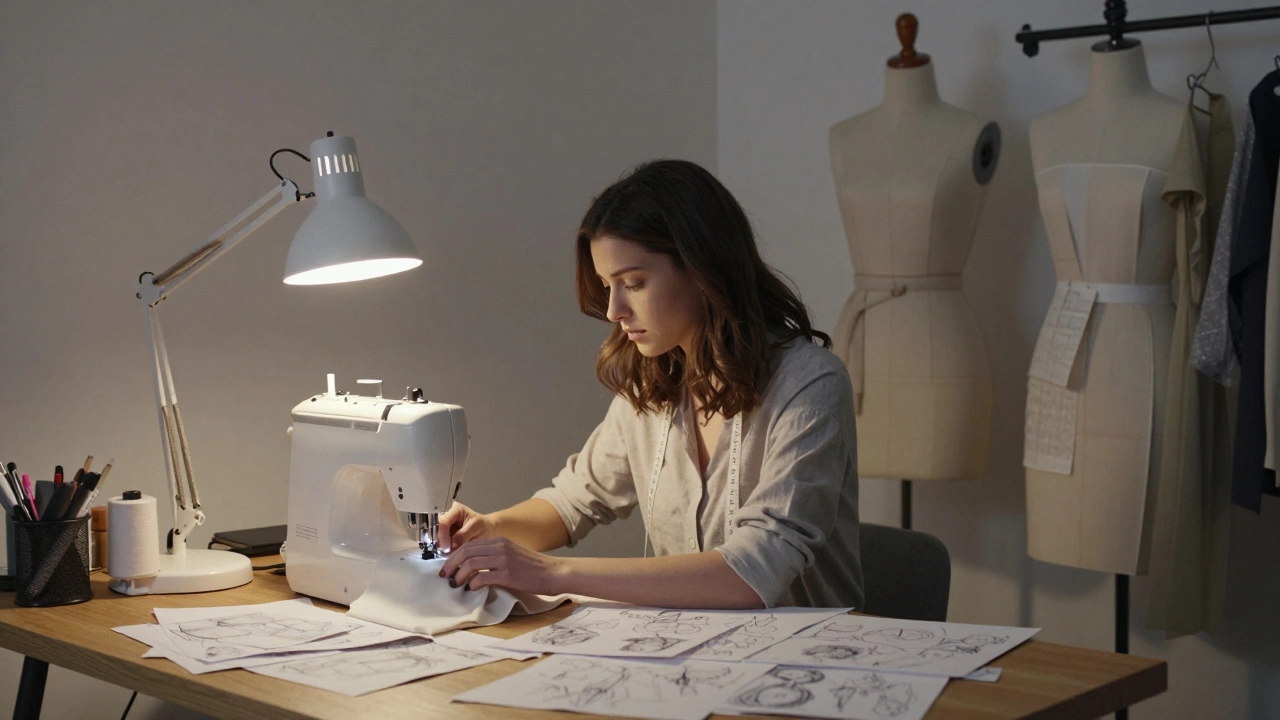
There’s no single answer to how long it takes to become a fashion designer. Some people launch their first collection after two years. Others spend a decade building skills before they feel ready. The truth? It depends on what you mean by fashion designer.
What Does It Really Mean to Be a Fashion Designer?
Being a fashion designer isn’t just about sketching pretty dresses. It’s about understanding fabric behavior, pattern-making, garment construction, textiles, fit, production, and business. You need to know how to turn a sketch into something that can be sewn, sold, and worn by real people. That’s not something you learn overnight.Many people think fashion school is the only path. It’s not. But if you want to work with major brands, get into retail, or show at fashion weeks, formal training gives you structure, access to tools, and industry connections you won’t find on YouTube.
Fast Track: 2 to 3 Years
If you’re looking for the quickest route, a diploma or certificate course in fashion design can get you started in as little as two years. These programs are common in places like Auckland, Melbourne, and Sydney. They focus on practical skills: sewing machines, pattern drafting, draping, and basic CAD software like Adobe Illustrator.Graduates from these programs often start as assistant designers, patternmakers, or production assistants. One graduate from AUT’s Fashion Design Diploma in 2024 landed a job at a local Auckland label within six months of finishing. She didn’t have a degree-but she could make a perfect toile, fix a seam in under ten minutes, and knew how to talk to manufacturers.
Fast-track paths work if you’re disciplined. You’ll need to build a portfolio on the side, intern during breaks, and network constantly. Many students in these programs start freelancing for small boutiques while still studying.
Standard Path: 3 to 4 Years
A bachelor’s degree in fashion design (like a Bachelor of Design or BDes) usually takes three to four years full-time. In New Zealand, schools like Unitec and Massey offer these programs. They include history, trend forecasting, sustainable practices, and even basic marketing.These degrees aren’t just about making clothes. You’ll learn how to write a design brief, manage a production timeline, and present your work to buyers. Most programs require a final collection shown at a student fashion show. That’s your first real portfolio piece-and often your first chance to get noticed by industry professionals.
Graduates from four-year programs are more likely to land roles at mid-sized brands or start their own labels with a stronger foundation. One designer from Massey launched her label ‘Kairos’ two months after graduation. She had already secured two local stockists during her final year because of her thesis collection.
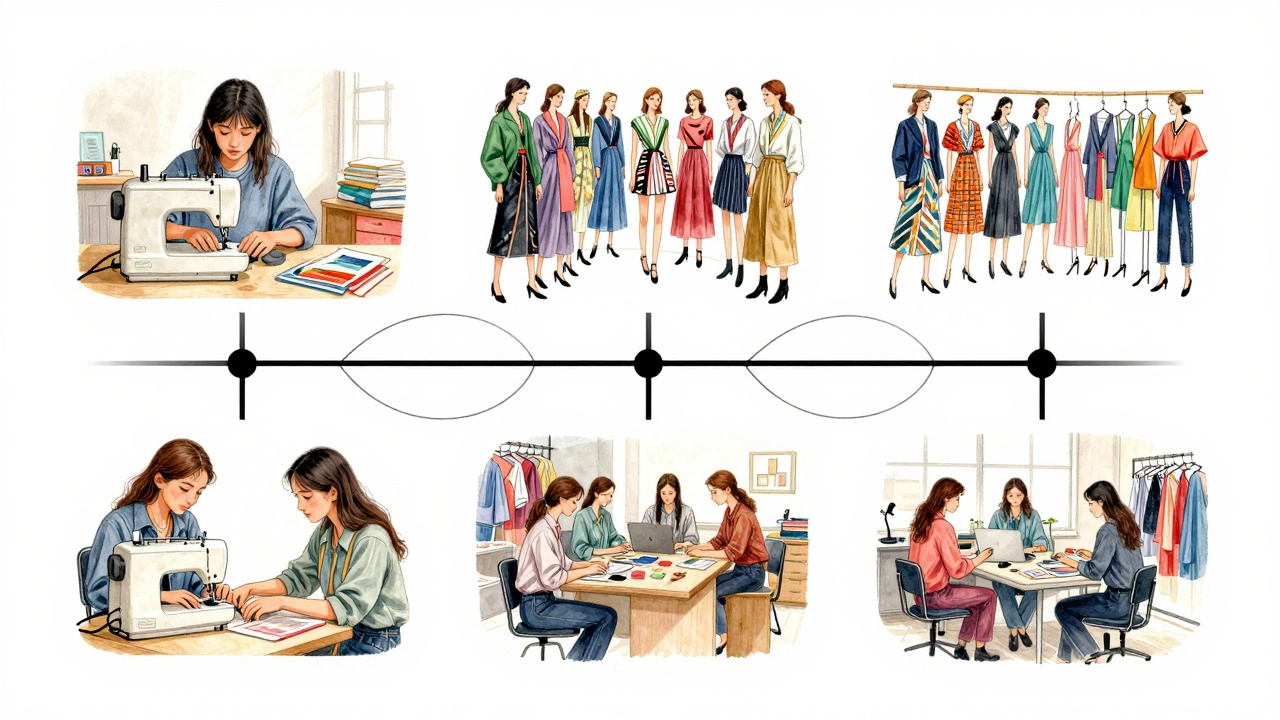
The Long Game: 5+ Years
If you want to lead a brand, work internationally, or teach at a university, you’ll likely need more. That means a master’s degree (like an MA in Fashion Design), which adds another one to two years. Some designers also spend time working under established names before going solo.Take the case of a designer from Wellington who worked for five years as a patternmaker for a luxury label before launching her own line. She didn’t go to fashion school at all. Instead, she learned through apprenticeships, night classes, and shadowing senior designers. Her first collection sold out in three days-not because she had a degree, but because she understood construction better than 90% of graduates.
There’s no shortcut to mastery. The best designers aren’t always the most artistic. They’re the ones who can solve problems: fixing a fit issue on a production line, sourcing eco-friendly zippers, or negotiating with factories in Vietnam. Those skills take time.
What Happens After You Graduate?
Finishing a course doesn’t mean you’re done. Most designers spend their first one to three years working for others. You might be an assistant, a sample maker, or a merchandiser. These roles teach you how the industry actually runs.Many new designers underestimate how much time goes into business tasks: invoicing, inventory, shipping, social media, customer service. One Auckland-based designer said she spent 80% of her first year doing admin, not designing. She only started creating new pieces after she hired a part-time assistant.
Building a brand takes longer than making clothes. You need to find your niche-whether it’s sustainable activewear, adaptive clothing for disabilities, or hand-embroidered evening gowns. Your audience won’t find you unless you’re clear about who you’re designing for.
Can You Skip School Entirely?
Yes. But it’s harder.There are self-taught designers who built successful brands without ever stepping into a classroom. They learned from books, YouTube tutorials, and trial and error. Some even started by altering thrifted clothes in their bedrooms.
But here’s the catch: without formal training, you’re likely to hit walls. You might not know why a neckline keeps puckering. You might order fabric that shrinks 15% in the wash. You might not understand minimum order quantities from factories.
Self-taught designers who succeed usually have one thing in common: they find mentors. They pay for workshops, ask questions at trade shows, and don’t pretend to know everything. They treat learning like a lifelong habit, not a checkbox.

Real-Time Timeline: What a Typical Path Looks Like
Here’s what a realistic journey might look like:- Year 1: Take a 6-month certificate course. Learn basic sewing and pattern-making.
- Year 2: Work as a sewing assistant at a local studio. Build a portfolio of 10-15 pieces.
- Year 3: Enroll in a bachelor’s degree. Start showing work at local markets.
- Year 4: Graduate. Land a junior design role or launch a small online store.
- Year 5: Refine your style. Build relationships with suppliers and retailers.
- Year 6+: Expand. Maybe open a flagship store, collaborate with artists, or get stocked internationally.
This isn’t a race. The most successful designers aren’t the youngest. They’re the ones who kept going when others gave up.
What to Watch Out For
Avoid these common traps:- Thinking you need expensive tools. A $50 sewing machine and second-hand fabric can get you far.
- Waiting for the ‘perfect’ idea. Your first collection doesn’t need to be groundbreaking-it needs to be finished.
- Ignoring business skills. Design is only half the job. The other half is selling.
- Comparing yourself to Instagram influencers. Most of those ‘overnight successes’ have been working for five years in silence.
Final Thought: It’s Not About Time. It’s About Consistency.
You don’t become a fashion designer by completing a course. You become one by showing up-every day, even when you’re tired, broke, or unsure.One designer in Christchurch started making bags from recycled plastic bottles in her garage in 2020. Three years later, she’s selling to stores across New Zealand and Australia. She didn’t go to fashion school. She just kept making. And fixing. And asking questions.
If you’re serious, start now. Not when you have more money. Not when you feel ready. Start with what you have. Make one thing. Then make another. Keep going.
Can you become a fashion designer without a degree?
Yes. Many successful designers never attended fashion school. They learned through apprenticeships, online courses, hands-on practice, and mentorship. But without formal training, you’ll need to be extra disciplined in filling knowledge gaps like pattern-making, textile science, and production logistics.
How much does a fashion design course cost in New Zealand?
Certificate courses can cost between $3,000 and $8,000 NZD for a year. Bachelor’s degrees range from $25,000 to $35,000 NZD total, depending on the school. Some institutions offer scholarships or payment plans. Community colleges and night classes can be more affordable options for learning basics.
Do you need to be good at drawing to be a fashion designer?
Not necessarily. Many designers use digital tools like Adobe Illustrator or even simple apps to sketch ideas. What matters more is your ability to communicate your vision-whether through sketches, mood boards, or physical samples. If you can explain your idea clearly, you can find someone to draw it for you.
Is fashion design a stable career?
It’s not a traditional 9-to-5 job, but it can be stable if you build multiple income streams. Many designers work freelance, teach part-time, or collaborate with other brands. Success often comes from diversifying-selling online, doing custom orders, licensing designs, or creating limited collections. The key is treating it like a business, not just a creative passion.
How do you build a portfolio with no experience?
Start small. Alter thrifted clothes. Make a dress from old curtains. Photograph your work in natural light. Write a short story about each piece-what inspired it, what you learned. Even five strong, well-documented pieces can be enough to get your first internship or freelance gig. Quality beats quantity every time.
What’s the biggest mistake new fashion designers make?
They focus too much on looking ‘fashionable’ and not enough on being practical. Clothes need to fit, move, and last. Many beginners create stunning designs that can’t be sewn at scale, cost too much to produce, or fall apart after one wash. Learn construction before you chase trends.
If you’re thinking about starting, don’t wait for permission. Pick up a needle. Buy a scrap of fabric. Make something. Then make another. That’s how it begins.