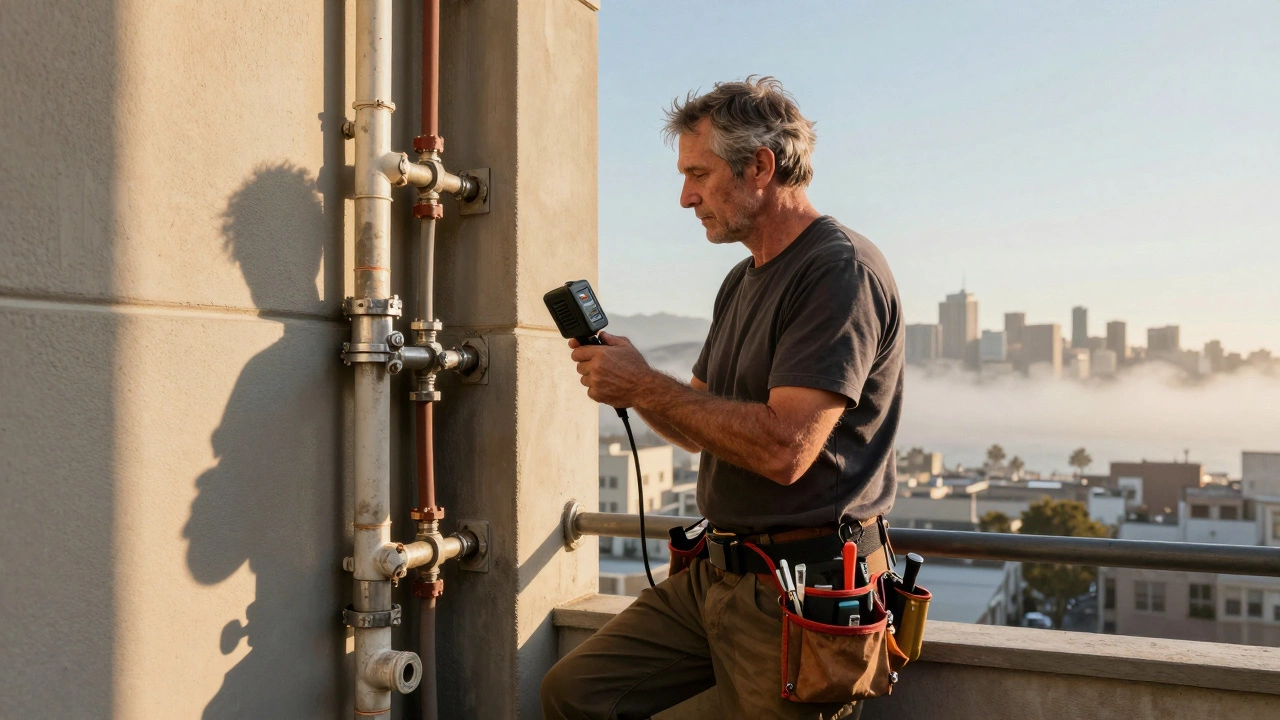
Plumbing isn’t just about fixing leaks-it’s one of the most reliable trades in California, where demand keeps climbing and pay stays strong. If you’re wondering how much plumbers make in Cali, the answer isn’t a single number. It depends on experience, location, and whether you work for a company or run your own business. Let’s break down what you can actually expect to earn-and how to get there.
What’s the Average Plumber Salary in California?
According to the latest U.S. Bureau of Labor Statistics data from 2025, the average plumber salary in California is $72,500 per year. That’s about $35 per hour. But that’s just the middle of the road. Entry-level plumbers with less than two years of experience often start at $48,000-$55,000. Meanwhile, seasoned pros with 10+ years and specialized skills-like commercial system installation or gas line work-can pull in $95,000 to $120,000 annually.
Why the big gap? Because California isn’t one state. It’s a patchwork of economies. A plumber in Bakersfield might make $65,000, while someone in San Francisco or Los Angeles easily clears $85,000. The cost of living is higher, yes-but so are the rates clients are willing to pay.
Where Do Plumbers Earn the Most in California?
Not all cities are created equal when it comes to plumbing pay. Here’s a snapshot of average annual earnings in key metro areas:
| City | Average Salary | Hourly Rate |
|---|---|---|
| San Francisco | $98,000 | $47.10 |
| Los Angeles | $91,000 | $43.75 |
| San Diego | $84,000 | $40.38 |
| San Jose | $93,000 | $44.71 |
| Sacramento | $78,000 | $37.50 |
| Fresno | $68,000 | $32.70 |
| Bakersfield | $65,000 | $31.25 |
Notice something? The highest earners aren’t just in big cities-they’re in tech hubs. San Jose and San Francisco lead because of high housing demand, strict building codes, and aging infrastructure. Plumbers there don’t just fix toilets-they install whole-home water systems, smart irrigation, and solar water heaters. Those skills come with a premium.
How Do You Become a Plumber in California?
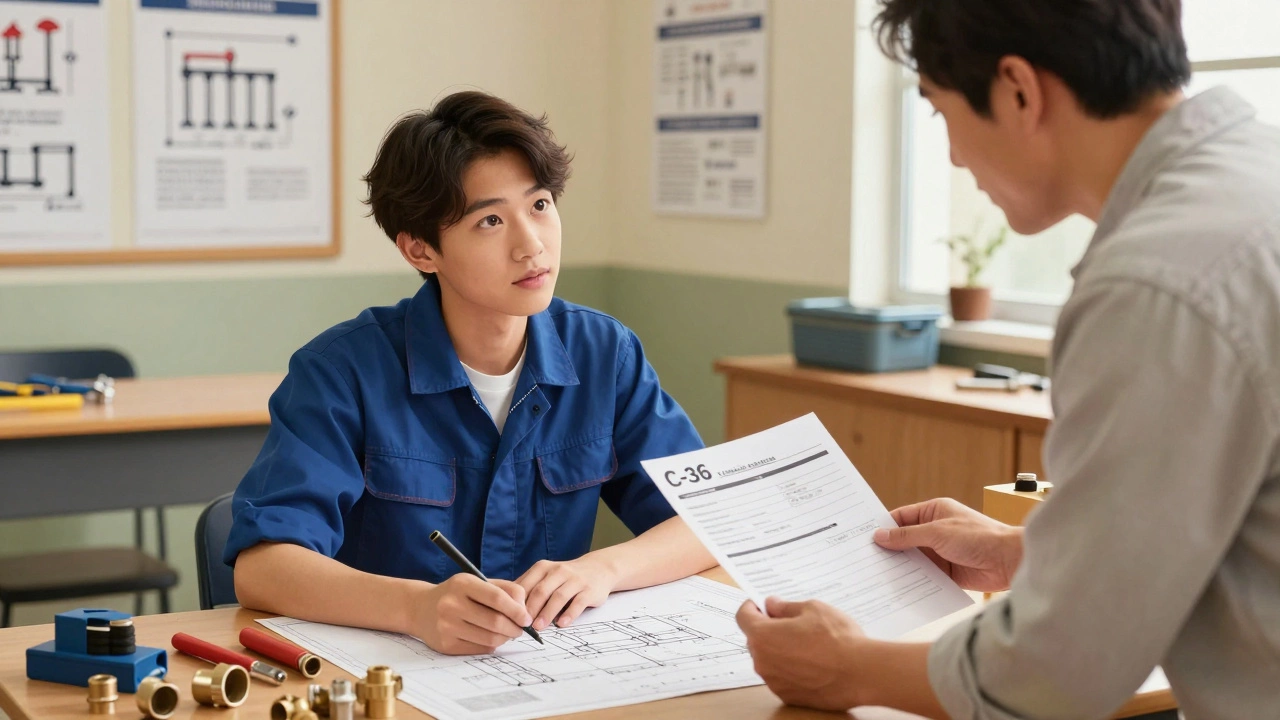
You can’t just hang a shingle and start working. California requires licensing. The process has three clear steps:
- Complete a 4-year apprenticeship under a licensed contractor. You’ll split time between classroom learning and hands-on work. Most programs are run through unions or trade schools.
- Pass the California State Plumbing Exam. It’s two parts: law and business, and technical plumbing knowledge. You need at least four years of documented experience to qualify.
- Get your C-36 license from the California Contractors State License Board (CSLB). This is your official ticket to work legally.
Some people skip the apprenticeship route by attending a trade school. Programs like those at California State Trade School offers a 12-month plumbing certificate program with state-approved curriculum and job placement support can shorten the timeline. But even then, you still need four years of field experience before you can sit for the exam.
What About Overtime and Side Hustles?
Most plumbers don’t rely on a 9-to-5 paycheck. Overtime is common-especially in winter, when pipes burst, or during construction booms. Many plumbers earn 20-40% more through overtime. Emergency calls? Those often pay time-and-a-half or double time.
And then there’s the side hustle. A growing number of licensed plumbers run their own small businesses. They start by doing weekend jobs after their day job. Then they build a client base. Within three to five years, many transition fully to self-employment. At that point, their income isn’t tied to an hourly rate-it’s tied to profit margins. A solo plumber running a small company can easily hit $110,000-$150,000 a year after expenses.
What Skills Pay the Most?
Not all plumbing work is equal. Here’s what commands higher pay in 2026:
- Commercial plumbing - Installing systems in office buildings, hospitals, or hotels pays 30% more than residential.
- Gas line installation - Requires an extra endorsement on your C-36 license. Only 15% of plumbers have it. They earn $85+/hour.
- Green plumbing - Solar water heaters, rainwater harvesting, low-flow systems. These are in high demand in California due to state regulations.
- Leak detection technology - Using thermal cameras and acoustic sensors to find hidden leaks. This skill is worth a $10-$15/hour premium.
If you’re just starting out, don’t ignore the basics. But if you’re looking to maximize earnings, pick one of these specialties early. Take the extra class. Get the endorsement. Learn the tech.
Is Plumbing a Good Career in California?
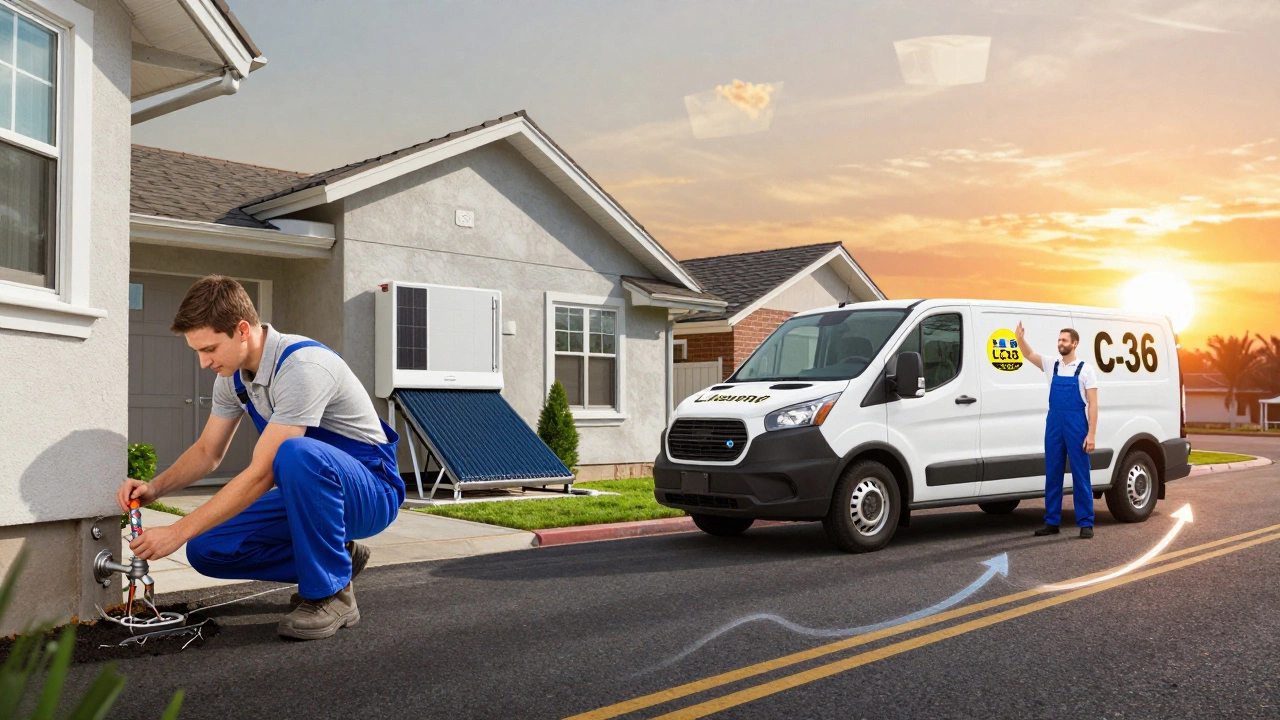
Yes-but not because it’s easy. It’s physically demanding. You’ll crawl under houses, lift heavy pipes, and work in freezing basements. You’ll deal with angry homeowners and tight deadlines. But here’s what most people don’t tell you: plumbing is recession-proof.
California adds over 200,000 new housing units every year. Older buildings need upgrades. Water laws keep tightening. Cities are replacing lead pipes. The state projects a shortage of 12,000 licensed plumbers by 2030. That means job security. That means leverage. That means you can ask for higher rates.
And unlike college degrees that leave people in debt, plumbing apprenticeships often pay you while you learn. Some programs even cover your tools and safety gear. You graduate with a license-and no student loans.
What’s the Real Takeaway?
Plumbers in California don’t just make money-they build wealth. The path isn’t glamorous, but it’s clear: train hard, get licensed, specialize, and don’t be afraid to work for yourself. A plumber starting out today can reasonably expect to earn six figures within a decade. And if they keep learning? They’ll be the ones setting the rates.
Do I need a college degree to become a plumber in California?
No. A college degree isn’t required. You need a high school diploma or GED, then complete a 4-year apprenticeship under a licensed contractor. You can also attend a trade school, but you still need the same field experience to qualify for the state exam.
How long does it take to become a licensed plumber in California?
It takes at least four years. That includes 8,000 hours of on-the-job training and 576 hours of classroom instruction. After that, you can take the state exam. Some people finish faster through accelerated programs, but you still can’t sit for the exam without the full experience.
Can I make more money as a self-employed plumber than working for a company?
Yes, often significantly. Employees typically earn $50-$80/hour. Self-employed plumbers who run their own small businesses can charge $80-$150/hour, depending on location and services. After paying for insurance, tools, and marketing, many net $100,000+ annually.
Are there apprenticeship programs that pay while you learn?
Yes. Most union and contractor-run apprenticeships pay starting at $18-$22/hour in the first year, with raises each year. By year four, you’re often earning $30-$35/hour while still learning. Some programs even cover tools and safety gear.
What’s the easiest way to get started in plumbing in California?
Contact your local plumbing union or visit the California Contractors State License Board website. They list approved apprenticeship programs. You can also enroll in a 12-month trade school certificate program, then find an employer who will hire you as an apprentice. Both paths lead to the same license.