English Learning Cost Estimator (India 2026)
Estimated Budget
Select your preferences and click calculate to see your estimated investment.
Total Estimated Investment
Breakdown:
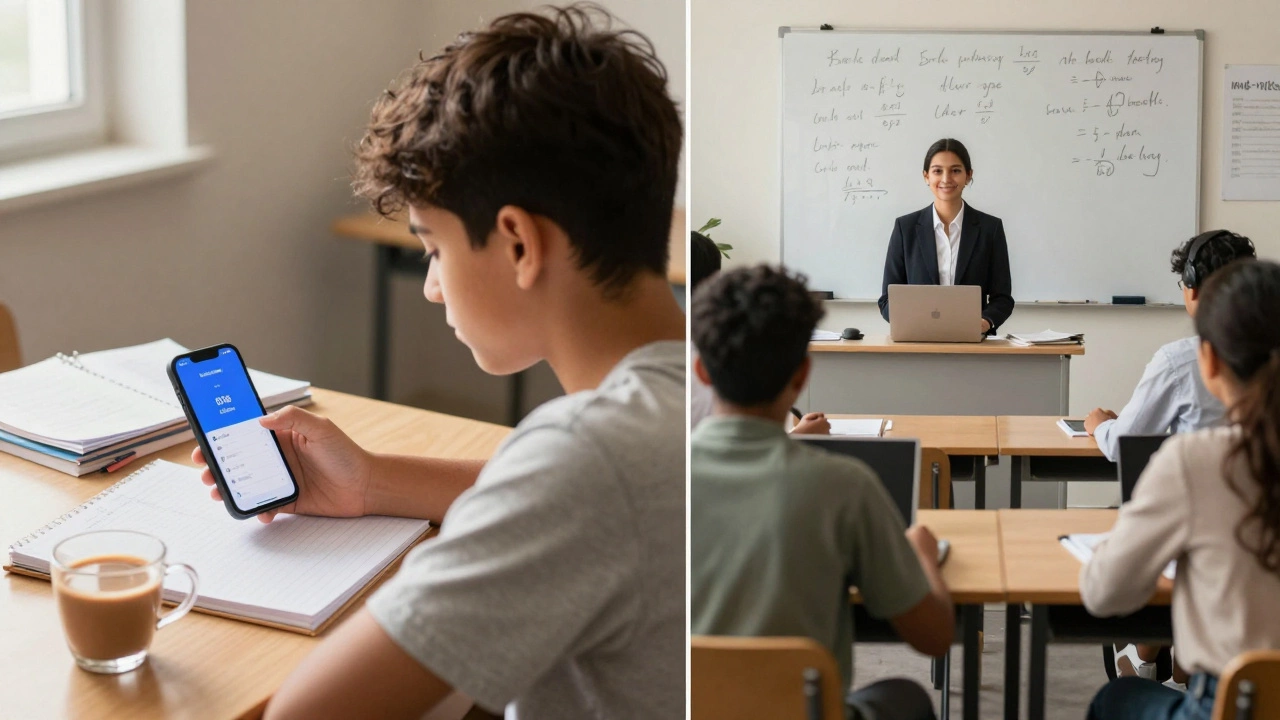
Picture this: you’re sitting in a crowded classroom in Delhi or browsing apps on your phone in Bangalore, trying to figure out how much money you need to drop to finally speak English fluently. The numbers everywhere seem random. One institute says ₹5,000 is enough for mastery; another demands ₹50,000 for a basic certificate. If you’ve been scrolling through ads and feeling confused, you aren’t alone.
The truth is, the cost to learn English in India varies wildly depending on what you actually want to achieve. Are you looking to pass an exam like IELTS International English Language Testing System used for study and migration? Do you need corporate communication skills for a job? Or do you just want casual conversation practice? Each goal has a different price tag. In 2026, with the rise of AI tutors and hybrid learning models, the market has shifted again. Let’s break down exactly where your money goes so you don’t waste a single rupee.
The Spectrum of English Learning Costs in India
You can’t put a single price on "learning English" because it’s not one product-it’s a spectrum. At one end, you have free resources that require high self-discipline. At the other, you have premium coaching centers that offer structured paths and guaranteed outcomes. Most learners fall somewhere in the middle, paying for convenience and accountability.
Generally, costs in India are divided into three main tiers. Understanding which tier fits your budget and learning style is the first step to saving money.
- The Budget Tier (₹0 - ₹5,000): This includes self-study using books, YouTube channels, and free mobile apps. You pay nothing but time and effort. The risk here is lack of feedback-you might repeat mistakes without knowing it.
- The Mid-Range Tier (₹5,000 - ₹25,000): This covers most standard offline institutes and popular online platforms. You get structured lessons, some teacher interaction, and often a certificate upon completion. This is the sweet spot for most working professionals and students.
- The Premium Tier (₹25,000 - ₹1,00,000+): This is for intensive bootcamps, elite corporate training, or specialized exam prep like PTE Academic Pearson Test of English for immigration and study purposes. You pay for speed, personalized attention, and higher success rates.
Offline Institutes: What You Pay for Presence
Traditional language schools still dominate cities like Mumbai, Chennai, and Hyderabad. When you walk into places like British Council UK's international cultural relations organization offering English courses or local chains like Sai Languages Popular Indian language training chain, you are paying for infrastructure and peer pressure. Being physically present forces you to show up.
A typical general English course at a reputable offline center runs between ₹8,000 and ₹15,000 for a duration of 3 to 6 months. This usually includes weekend batches, which makes it accessible for employed individuals. However, if you opt for weekday evening batches or intensive daily sessions, the price jumps to ₹20,000 or more.
Why the difference? Intensive courses compress the timeline. Instead of six months, you finish in eight weeks. That means more class hours per week, which drives up the cost. Also, bigger brands charge a premium for their brand value and standardized curriculum. Smaller, neighborhood coaches might offer the same content for half the price, but they may lack updated teaching materials or qualified native speakers.
Online Platforms: Flexibility vs. Accountability
In 2026, online learning isn't just a backup plan; it's the primary choice for many Indians due to better internet penetration and flexible schedules. Platforms like Coursera Global online learning platform partnering with universities or Udemy Marketplace for online courses created by instructors offer courses ranging from ₹499 during sales to ₹3,000 for full access. These are largely self-paced video courses.
If you want live interaction, platforms like Preply Platform connecting students with independent online tutors or Cambly Service providing on-demand conversations with native English speakers operate on a subscription model. A monthly subscription might cost ₹3,000 to ₹6,000, giving you access to unlimited chat or a set number of video calls. This is highly cost-effective if you only need speaking practice rather than grammar drills.
The hidden cost of online learning is discipline. Without a physical classroom, dropout rates are high. Many people buy a ₹2,000 course and never finish it. If you struggle with self-motivation, the cheaper option might end up being the most expensive mistake.

Exam Preparation: The High-Stakes Investment
For students aiming to study abroad or migrate to countries like Canada, Australia, or the UK, general English isn't enough. They need to ace standardized tests. This is where costs spike significantly. Preparing for IELTS International English Language Testing System or TOEFL Test of English as a Foreign Language requires strategic coaching, not just language learning.
| Exam Type | Self-Study Cost | Coaching Institute Fee | Duration |
|---|---|---|---|
| IELTS General/Academic | ₹1,000 - ₹3,000 (Books/Apps) | ₹15,000 - ₹35,000 | 1 - 3 Months |
| PTE Academic | ₹1,500 - ₹4,000 (Practice Tests) | ₹20,000 - ₹40,000 | 1 - 2 Months |
| TOEFL iBT | ₹2,000 - ₹5,000 | ₹25,000 - ₹45,000 | 2 - 4 Months |
Notice the gap between self-study and coaching. Coaching centers promise a specific band score (e.g., 7.0+ in IELTS). If you fail, some offer free retakes. This insurance policy is what you're paying for. For high-stakes goals, skipping professional guidance can lead to multiple test attempts, each costing around ₹16,000 for the exam fee alone. So, while coaching seems expensive upfront, it might save money in the long run by ensuring you pass on the first try.
Corporate Communication Training
If you are a professional looking to improve your business English-emails, presentations, negotiations-the game changes completely. Companies often sponsor this training, but if you pay out of pocket, expect to spend big. Corporate communication courses focus less on grammar and more on tone, clarity, and cultural nuance.
Short workshops lasting 2-3 days can cost ₹10,000 to ₹20,000. Comprehensive programs spanning 3-6 months with one-on-one mentoring can range from ₹50,000 to over ₹1,00,000. These programs are usually offered by specialized firms like Whistling Woods International Media and entertainment education institution or executive education arms of top B-schools. The ROI here is direct: better communication often leads to promotions or client acquisition.
Hidden Costs and Additional Expenses
When budgeting, don’t just look at the tuition fee. There are several hidden costs that add up quickly:
- Study Materials: Textbooks, workbooks, and access to digital libraries can add ₹1,000 to ₹5,000 to your bill.
- Transportation: If you choose an offline institute, factor in travel costs. In metro cities, this can be ₹2,000 to ₹4,000 per month.
- Technology: Online courses require a stable internet connection and a decent device. Data plans and hardware upgrades are indirect costs.
- Certificate Fees: Some institutions charge extra for certification exams or printed certificates, ranging from ₹500 to ₹2,000.
How to Choose the Right Option for Your Budget
Don’t just pick the cheapest option. Pick the one that matches your learning personality and goals. Here is a quick decision guide:
- If you are self-disciplined and on a tight budget: Stick to free apps like Duolingo or BBC Learning English, supplemented by affordable Udemy courses. Total cost: Under ₹3,000.
- If you need structure and social interaction: Join a local offline institute. Look for group discounts or sibling offers. Total cost: ₹8,000 - ₹15,000.
- If you need to pass an exam quickly: Invest in a specialized coaching center with a track record of high scores. Don’t cheap out here. Total cost: ₹20,000 - ₹40,000.
- If you need conversational confidence: Hire a tutor on Preply or use Cambly for regular speaking practice. Total cost: ₹3,000 - ₹6,000 per month.
Remember, the goal is fluency, not just completion. A ₹50,000 course is useless if you don’t practice outside the classroom. Conversely, a free app can lead to fluency if you use it consistently for two years. The cost is only part of the equation; your commitment is the multiplier.
What is the average cost of a 3-month English course in India?
The average cost for a standard 3-month general English course in India ranges from ₹8,000 to ₹15,000 for offline institutes. Online self-paced courses can be as low as ₹2,000, while intensive coaching for exams like IELTS can exceed ₹25,000.
Is it cheaper to learn English online or offline in 2026?
Online learning is generally cheaper, especially for self-paced courses which can cost under ₹5,000. Offline courses involve infrastructure costs and typically start at ₹8,000. However, online subscriptions for live tutoring can sometimes match offline prices if you take frequent classes.
Do I need to pay extra for IELTS preparation?
Yes, specialized IELTS preparation is more expensive than general English courses. While self-study materials cost around ₹1,000-₹3,000, dedicated coaching institutes charge between ₹15,000 and ₹35,000 to provide test strategies, mock tests, and feedback.
Are there any free ways to learn English in India?
Yes, there are many free resources. Government initiatives like Digital India offer some free content. Additionally, platforms like YouTube, BBC Learning English, and apps like Duolingo provide high-quality free lessons. Public libraries also often have free access to language learning software.
Which city in India has the most affordable English courses?
Tier-2 and Tier-3 cities generally have lower course fees compared to metros like Mumbai, Delhi, or Bangalore. Cities like Jaipur, Lucknow, or Coimbatore often offer similar quality education at 20-30% lower costs due to lower operational expenses for institutes.