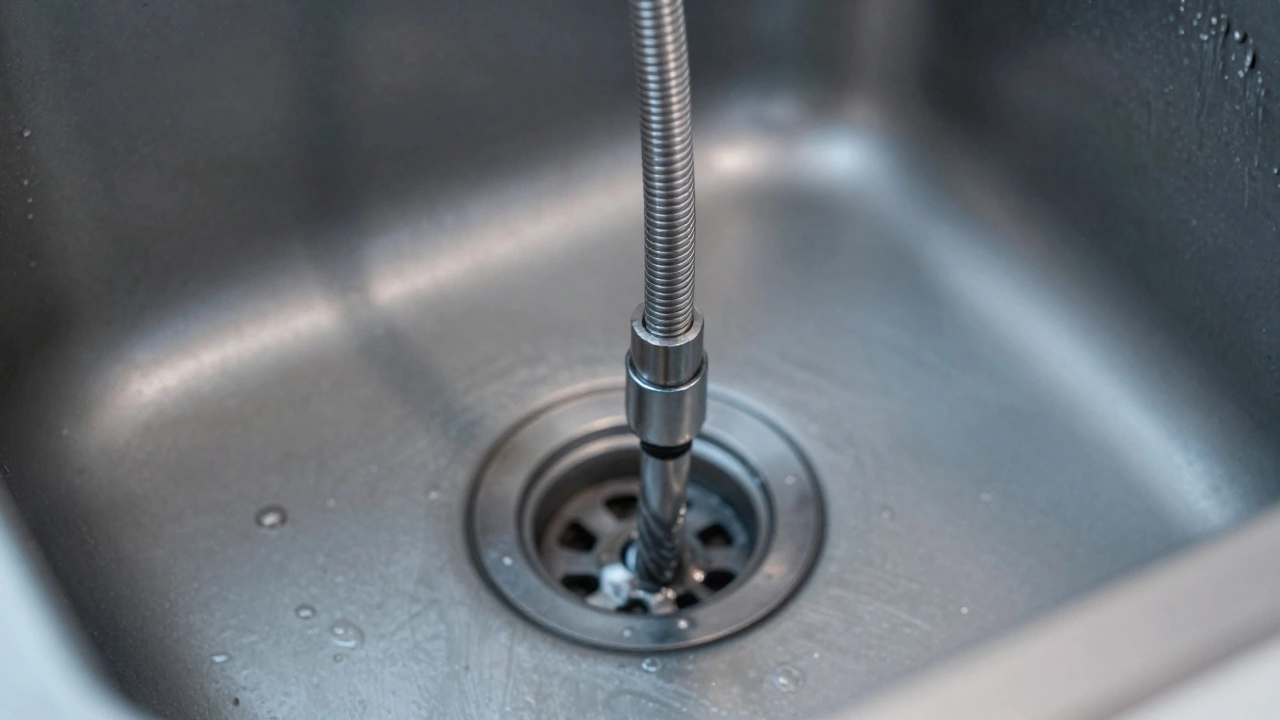
Drain Snaking Cost Estimator
Drain Snaking Cost Estimator (Auckland)
You hear that gurgling sound in your kitchen sink. The water stops draining. You call a plumber, they mention "snaking the drain," and then they drop a number on you. It’s usually higher than you expected. Why? Because you don’t know what goes into that bill. If you are just looking for a quick fix, understanding the pricing structure helps you avoid getting ripped off. But if you are reading this because you want to learn plumbing yourself, knowing the market rates is the first step in building a business model that actually pays.
In Auckland, New Zealand, as of mid-2026, the cost to snake a drain isn't a flat rate. It depends on the tool used, the location of the clog, and the urgency of the call. For homeowners, this means budgeting between $150 and $400 NZD for a standard job. For aspiring tradespeople, it represents a high-margin service with low material costs but high skill requirements. Let's break down exactly why these prices exist and how you can position yourself in this industry.
The Anatomy of a Drain Snaking Bill
When a plumber quotes you for a drain snake job, they aren't just charging for the metal wire they push down the pipe. They are charging for three distinct things: access, equipment, and expertise. Understanding these components explains why a simple bathroom sink clog might cost less than a main sewer line blockage.
| Cost Component | Estimated Value (NZD) | Why It Matters |
|---|---|---|
| Call-Out Fee | $80 - $120 | Covers travel time and initial inspection. Often waived if work proceeds. |
| Labor Rate | $90 - $130/hour | Skilled trade labor. Includes diagnosis and manual effort. |
| Equipment Surcharge | $50 - $150 | Higher for motorized machines or camera inspections vs. hand augers. |
| After-Hours/Emergency | +50% to +100% | Weekends, nights, and public holidays command premium rates. |
A standard residential drain snake job usually takes 45 minutes to an hour. If the plumber uses a handheld manual auger for a P-trap under a sink, the total might sit around $150-$200. However, if the clog is deep in the wall or requires a motorized drum machine, the price jumps. This is where the distinction between a handyman and a licensed plumber becomes clear. A handyman might charge less, but they lack the insurance and certification to handle complex waste lines, which is a critical detail for anyone considering entering the trade.
Factors That Spike the Price
Not all drains are created equal. Several variables can turn a $150 job into a $500 one. As a consumer, you need to ask about these before the work starts. As a trainee, you need to understand these to manage client expectations and protect your profit margins.
- Location of the Clog: A clog in the visible P-trap is easy. A clog 10 meters down the main sewer line requires heavy-duty equipment and potentially digging up access points. Main line snaking often costs double or triple of fixture-level snaking.
- Type of Blockage: Hair and soap scum are soft and relatively easy to cut through. Grease buildup is harder. Tree roots invading underground pipes are the worst-case scenario. Roots require specialized cutting heads and often follow-up hydro-jetting, which is a separate, more expensive service.
- Accessibility: If the clean-out port is buried under concrete or located in a cramped crawlspace, the plumber charges for the extra time spent gaining access. Always locate your clean-out ports before calling help.
- Emergency Timing: Calling a plumber at 10 PM on a Saturday night when sewage is backing up into your living room will incur emergency surcharges. In Auckland, where weather can cause sudden flooding issues, these calls are frequent and pricey.
One common pitfall for homeowners is assuming chemical drain cleaners are a cheaper alternative. While they cost $20 at the supermarket, they often corrode older pipes, leading to leaks that cost thousands to repair. Professional plumbers avoid harsh chemicals, preferring mechanical removal. This is a key selling point for trained professionals over DIY attempts.
From Customer to Contractor: The Training Pathway
If the idea of charging $100+ for an hour of work appeals to you, you might be wondering how to get there. Becoming a plumber in New Zealand is a regulated process. You cannot simply buy a snake and start billing clients legally for all types of work. There is a structured pathway that ensures safety and competency.
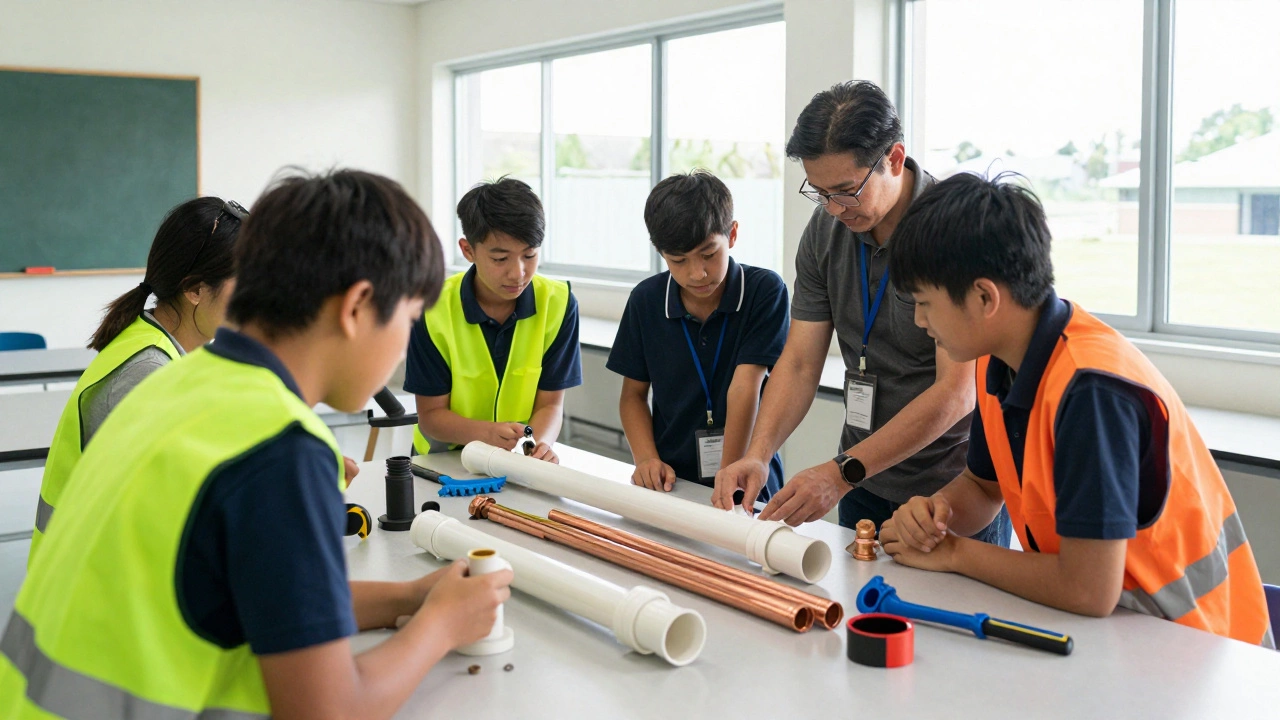
The journey typically starts with an apprenticeship. In New Zealand, this involves working under a licensed plumber while completing formal training. This dual approach gives you hands-on experience with tools like drain snakes, soldering torches, and pressure testers, while classroom modules cover the Health and Safety at Work Act, building codes, and environmental regulations.
Formal education providers offer courses that prepare you for this apprenticeship. These programs cover:
- Pipefitting Basics: Understanding different materials (PVC, copper, cast iron) and how they react to mechanical stress from snaking.
- Drainage Systems: Learning the layout of residential and commercial waste systems, including venting principles that prevent siphoning.
- Safety Protocols: Handling hazardous waste, using personal protective equipment (PPE), and managing confined spaces.
- Business Operations: How to quote jobs, manage inventory, and maintain customer relationships.
Without this training, you risk damaging property or violating local council bylaws. For example, improper disposal of extracted waste (like grease traps or root balls) can lead to significant fines. Training teaches you not just how to unclog a pipe, but how to do it compliantly and safely.
Tools of the Trade: What You Need to Know
To understand the cost, you must understand the tool. A drain snake, also known as an auger, comes in various forms. Each form dictates the labor intensity and thus the price.
Hand Augers: These are small, manual devices with a coiled steel cable and a crank. They fit in the palm of your hand. Plumbers use them for sinks, showers, and bathtubs. The cost to the customer is lower because the equipment depreciation is minimal and the speed is fast. However, they only reach a few meters deep.
Sectional Augers: For longer runs, plumbers use sectional cables that can be added together. These require two people to operate effectively-one feeding the cable, one turning the handle. This increases labor costs due to the man-hours involved.
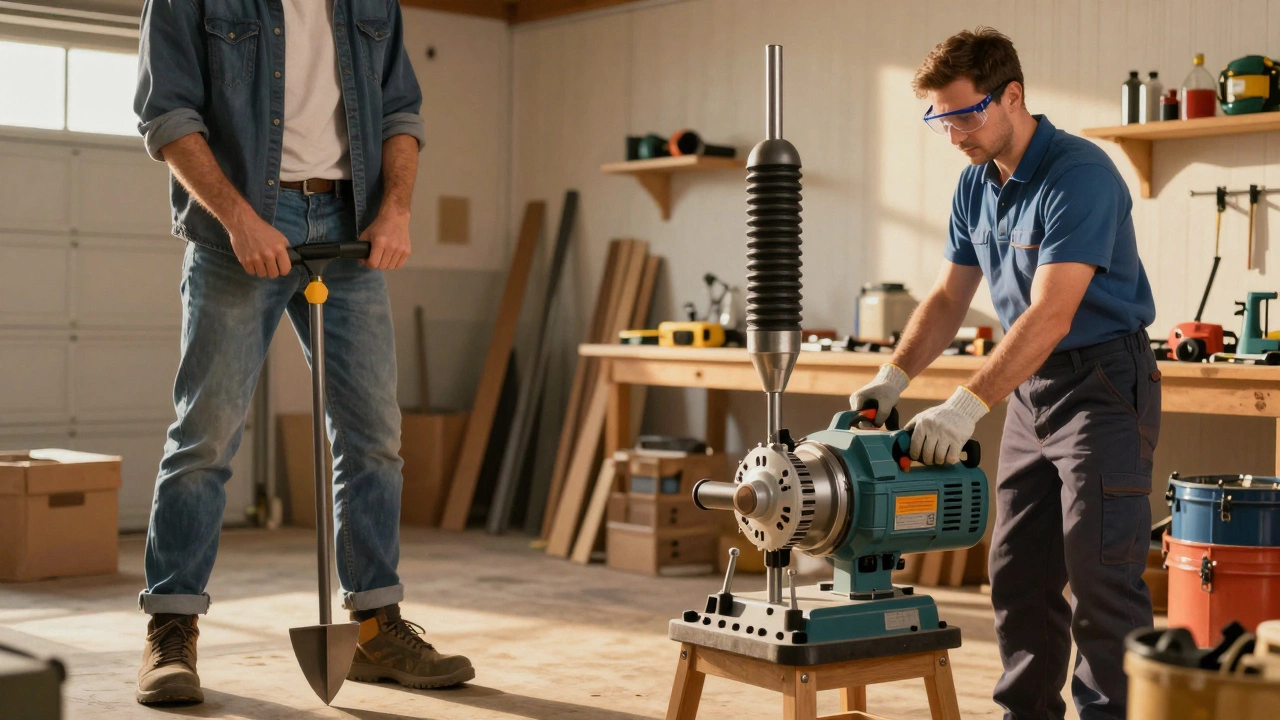
Motorized Drum Machines: These are the heavy hitters. Mounted on a cart, these electric or gas-powered units spin the cable automatically. They can reach tens of meters into main sewer lines. The rental or purchase cost of this machinery is high, which is reflected in the service fee. They also require skill to operate; feed too much torque, and you can puncture old clay or cast iron pipes.
For those entering the trade via plumber training courses, mastering the transition from hand augers to motorized machines is a key milestone. It marks the shift from basic maintenance to complex problem-solving.
DIY vs. Professional: When to Call the Pros
Many people try to save money by renting a drain snake from a hardware store. Is it worth it? Sometimes. If you have a simple hair clog in a shower drain, a hand auger rented for $30 might solve it. But consider the risks.
Amateurs often mistake the symptom for the cause. A slow drain might not be a clog at all; it could be a broken vent stack or a collapsed pipe segment. Snaking won't fix a structural failure. Worse, aggressive snaking by an untrained person can scratch the interior of PVC pipes, creating rough spots that catch future debris, making the problem worse over time. Cast iron pipes, common in older Auckland homes, can be cracked if the snake hits them at the wrong angle.
Professionals bring diagnostic tools. Many now pair snaking with video camera inspections. After clearing the blockage, they run a camera down the line to ensure the pipe is intact and to identify potential future issues. This value-add justifies the higher cost. You aren't just paying for a clear drain; you're paying for peace of mind and a guarantee.
Building a Career in Plumbing
The demand for skilled plumbers in New Zealand remains strong. With an aging housing stock and new construction projects, there is a consistent need for drainage specialists. For students considering vocational training, plumbing offers a stable career path with opportunities for entrepreneurship.
Specializing in drain cleaning and maintenance can be lucrative. Many plumbers find that general repairs are competitive, but emergency drain clearing commands premium rates and recurring revenue. By investing in proper training, you gain the credentials to bid on larger commercial contracts, such as maintaining drainage systems for apartment complexes or restaurants, where grease trap management is strictly regulated.
Furthermore, the trade allows for continuous learning. Technologies are evolving. Hydro-jetting, which uses high-pressure water instead of mechanical blades, is becoming more popular for eco-friendly cleaning. Smart sensors that detect leaks and flow rates are being installed in modern homes. A well-trained plumber stays ahead of these trends, increasing their value to clients.
How much does it cost to snake a main sewer line in Auckland?
Snaking a main sewer line typically costs between $300 and $600 NZD. This higher price reflects the use of heavy-duty motorized equipment, the length of the cable required, and the complexity of accessing the main clean-out point, which may be located outside the home.
Can I learn to snake drains without a full plumbing license?
You can perform basic drain clearing on private property without a license, but you cannot legally call yourself a plumber or work on regulated fixtures without certification. To build a business and insure your work, you must complete an approved apprenticeship and obtain licensing from the relevant New Zealand authorities.
Is it cheaper to rent a drain snake or hire a plumber?
Renting a hand auger costs around $30-$50 per day. If the clog is simple and accessible, this is cheaper. However, if the clog is deep or stubborn, you risk damaging pipes. Hiring a plumber costs more upfront ($150+) but includes expertise, proper equipment for various scenarios, and a guarantee that the job is done correctly without causing secondary damage.
What qualifications do I need to become a plumber in New Zealand?
You generally need to complete a four-year apprenticeship, combining on-the-job training with formal classes. This leads to a Certificate in Plumbing. You must also pass practical assessments and meet health and safety standards set by WorkSafe New Zealand and local councils.