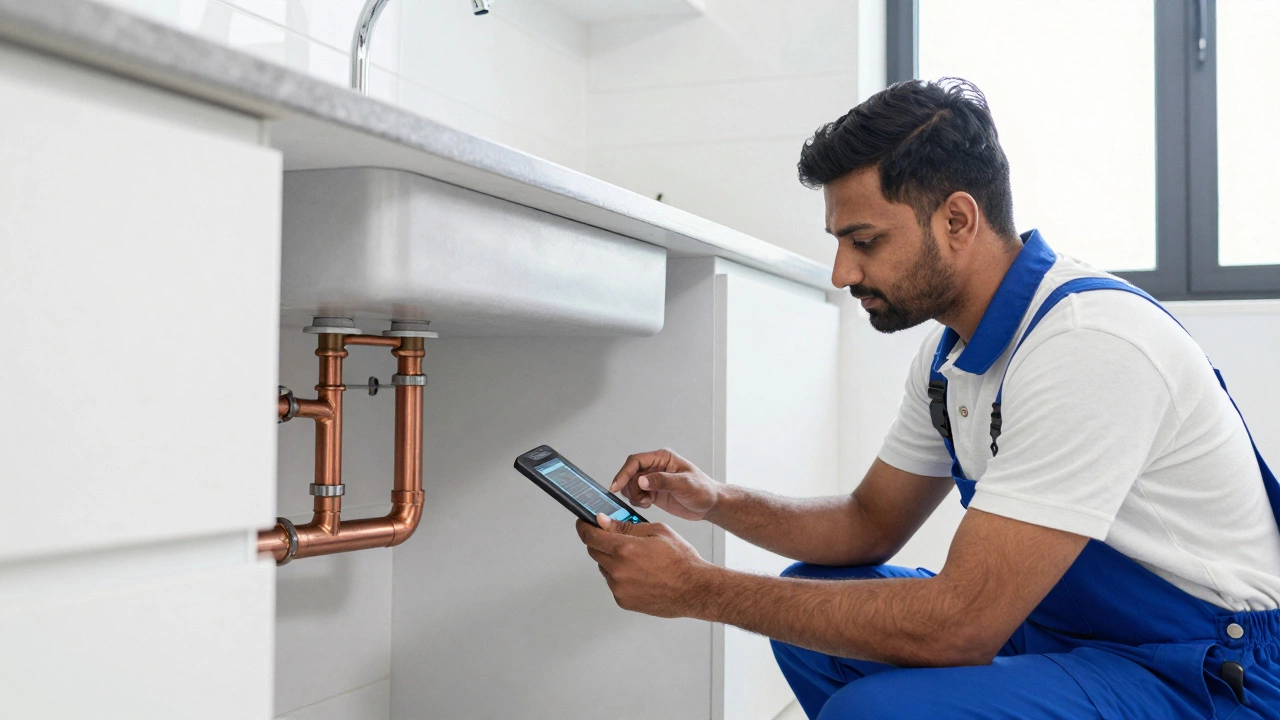
Plumber Career ROI & Cost Estimator
Determine how quickly you can break even after investing in a vocational school or apprenticeship.
Estimate what you might pay for plumbing services based on your location and job urgency.
Have you ever stared at a quote from a plumber and wondered if the number was reasonable? You are not alone. In 2026, the cost of hiring a professional varies wildly depending on where you live, what kind of job needs doing, and whether it is an emergency. But there is another side to this question that many people overlook: how does one actually get into this lucrative field? If you are asking about hourly rates because you want to know what plumbers earn, or perhaps you are considering a plumber training course to start your own career, understanding the economics of the trade is essential.
The National Average for Plumbing Services
As of mid-2026, the average hourly rate for a licensed plumber in the United States ranges between $75 and $150 per hour. This is not just a random guess; it reflects the current market demand, inflation adjustments, and the high barrier to entry required for licensing. However, "average" can be misleading. In major metropolitan areas like New York City, San Francisco, or Chicago, rates often climb to $150-$250 per hour. In rural areas or smaller towns, you might find reliable help for closer to $60-$90 per hour.
It is crucial to distinguish between the plumber's wage and the service charge. When a company sends a technician, they are covering insurance, vehicle maintenance, administrative staff, and profit margins. Therefore, while a journeyman plumber might personally take home $35-$50 per hour, the customer pays significantly more. This markup ensures that the business remains viable and that the worker is protected by liability coverage, which is non-negotiable for any reputable professional.
Factors That Drive Up the Cost
Why do some jobs cost double others? Several key factors influence the final bill. Understanding these can help you budget better or negotiate fairer terms.
- Emergency vs. Scheduled Work: Calling a plumber at 2 AM for a burst pipe will almost always incur an emergency premium. Expect to pay 1.5x to 2x the standard hourly rate for after-hours service. This is due to the inconvenience factor and the limited availability of workers willing to work nights or weekends.
- Licensing and Experience Level: An apprentice plumber charges less than a master plumber. Apprentices are under supervision and handle simpler tasks. Master plumbers, who have years of experience and can pull permits independently, command the highest rates. Their expertise reduces the risk of costly mistakes.
- Geographic Location: Labor costs mirror local living expenses. High-cost-of-living areas naturally have higher service rates. Additionally, states with stricter licensing requirements often see higher prices because fewer people qualify to work as independent contractors.
- Type of Service: Diagnostic fees are common. Many plumbers charge a flat fee (often $50-$100) just to show up and assess the problem. This fee is usually waived if you proceed with the repair. Complex installations, such as repiping an entire house, may be quoted as a lump sum rather than hourly to protect both parties from unforeseen delays.
From Student to Pro: The Path to Those Hourly Rates
If you are reading this with an eye toward your own financial future, the numbers above should look appealing. Plumbers are among the most sought-after skilled tradespeople today. But you cannot walk onto a job site and start charging $100 an hour without credentials. This is where a plumber training course becomes your most valuable investment.
Entering the trade typically involves two paths: apprenticeships and vocational schools. Both lead to licensure, but they differ in structure and upfront cost.
| Feature | Apprenticeship Program | Vocational Trade School |
|---|---|---|
| Duration | 4-5 years | 6 months - 2 years |
| Upfront Cost | Low (often free or low tuition) | High ($5,000 - $20,000+) |
| Earning Potential During Training | Immediate (paid work experience) | None or part-time only |
| Curriculum Focus | On-the-job skills + classroom hours | Theory, code compliance, safety |
| Licensing Eligibility | Varies by state; often requires completion | Prepares you for exam; may require additional hours |
An apprenticeship allows you to earn while you learn. You start as an assistant, helping senior plumbers, and gradually take on more responsibility. By the time you finish, you have thousands of documented hours and a clear path to becoming a journeyman. This route minimizes debt but requires finding a sponsor, which can be competitive.
Conversely, a dedicated plumbing certification program at a trade school accelerates your theoretical knowledge. You learn blueprint reading, fluid dynamics, and local building codes in a controlled environment. While you pay tuition, you graduate faster and are often preferred by employers who need someone who understands the "why" behind the repairs, not just the "how."

Return on Investment: Is It Worth It?
Let’s talk money. If you invest $10,000 in a comprehensive training course, how long does it take to break even? With an entry-level apprentice earning around $18-$22 per hour, and a journeyman making $30-$50 per hour, the math works quickly. Within two to three years of full-time work, you have recouped your education costs and started building wealth.
Moreover, the ceiling for plumbers is high. Once you become a master plumber and potentially start your own business, your effective hourly rate skyrockets. You are no longer trading time for money; you are managing projects and employing others. The initial hurdle of training is the gatekeeper to this financial freedom.
Hidden Costs and Value Adds
When evaluating either hiring a plumber or entering the profession, consider the hidden values. For homeowners, a well-trained plumber prevents water damage, which can cost tens of thousands to fix. For students, the value lies in job security. AI and automation are unlikely to replace the hands-on, problem-solving nature of plumbing anytime soon. Pipes burst in unpredictable ways, and old houses have unique quirks that require human intuition and dexterity.
Additionally, modern plumbing involves complex systems like tankless water heaters, smart leak detection devices, and green energy-efficient fixtures. A quality plumber training course in 2026 must include modules on these technologies. Outdated training leaves you unprepared for the current market, limiting your earning potential to basic repairs rather than high-value installations.
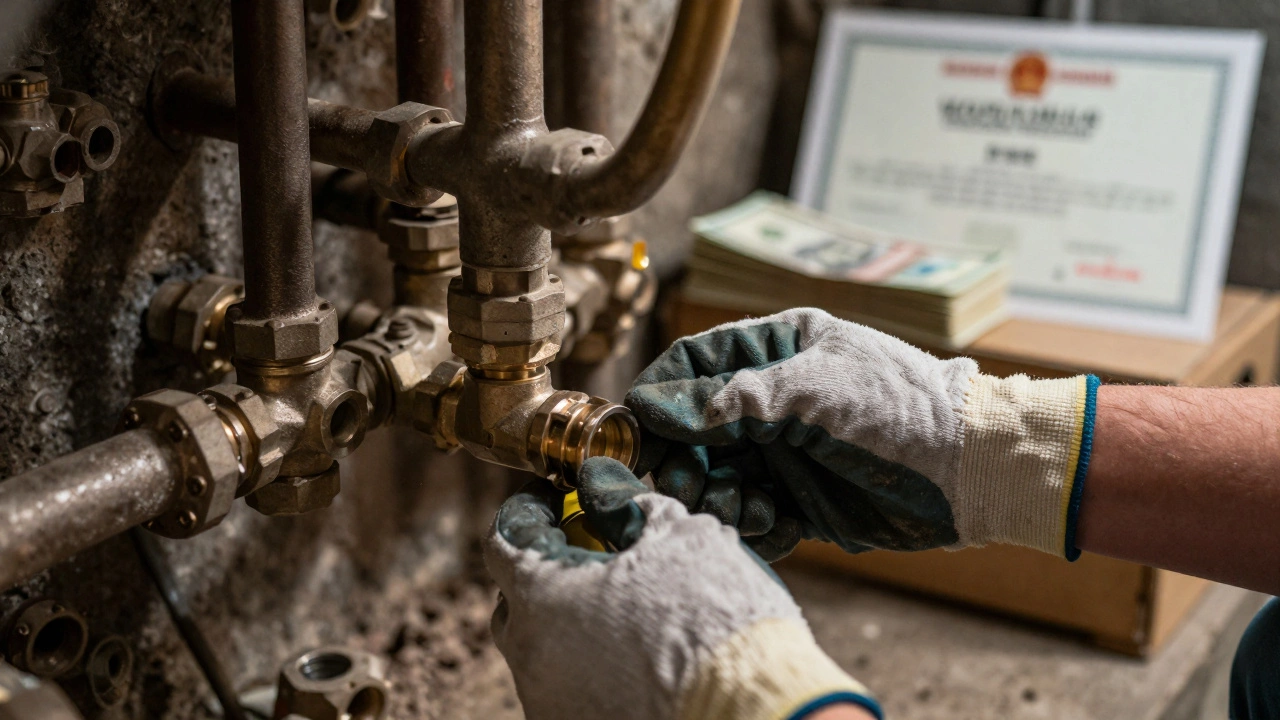
How to Choose the Right Training Path
If you are ready to pursue this career, do not just pick the cheapest option. Look for programs accredited by recognized bodies. Check their job placement rates. Ask if they provide tools or if you need to buy your own kit. A good program will also prepare you for the state licensing exam, which is mandatory in most jurisdictions. Without that license, you cannot legally work independently, capping your income and exposing you to legal risks.
Consider your learning style. Do you thrive in a classroom setting with structured lessons, or do you prefer learning by doing? There is no wrong answer, but aligning the method with your personality increases your chances of success. Remember, the goal is not just to pass a test, but to build a sustainable, profitable career.
Final Thoughts on Pricing and Professions
Whether you are paying the bill or earning it, transparency is key. Homeowners should always ask for detailed estimates before work begins. Aspiring plumbers should research local labor laws and union opportunities, which can offer better benefits and higher wage floors. The plumbing industry is robust, resilient, and rewarding for those willing to put in the effort. The hourly rates reflect the skill, risk, and convenience provided. By understanding both sides of the equation, you make smarter decisions-whether that means hiring the right pro or investing in your own future.
What is the average hourly rate for a plumber in 2026?
The national average ranges from $75 to $150 per hour. In major cities, this can rise to $250, while rural areas may see rates as low as $60.
Do I need a degree to become a plumber?
No, you do not need a traditional four-year college degree. However, you do need formal training through an apprenticeship or a vocational trade school, followed by passing a state licensing exam.
Is a plumber training course worth the cost?
Yes. Given the high demand and strong earning potential ($30-$50+/hour for journeymen), the return on investment for a $5,000-$20,000 training program is typically achieved within 2-3 years of working.
Why do plumbers charge so much for small jobs?
Small jobs often involve travel time, diagnostic fees, and overhead costs like insurance and vehicle maintenance. Additionally, the expertise required to solve problems quickly justifies the rate, preventing further damage.
Can I work as a plumber without a license?
In most places, no. Working without a license is illegal and can result in heavy fines. It also prevents you from pulling permits, which limits the types of jobs you can perform and your earning potential.