Locksmith Service Cost Estimator
Cost Breakdown
Professional Recommendation
Imagine a client calls you with a simple question: "My keys are lost. Do I need new locks?" This is the most common scenario for any locksmith. The answer isn't just yes or no; it's about money, time, and security. For anyone undergoing locksmith training in India, understanding the economics of rekeying versus replacing locks is not just academic-it is the difference between a profitable job and a loss-making one.
The short answer? Rekeying is almost always cheaper. But "cheaper" doesn't always mean "better." If you rush into a rekey because it saves ₹500, but the lock mechanism is worn out, that customer will call you back next week for an emergency service. That callback eats your profit margin faster than the initial cost ever could. Let’s break down the real numbers, the technical realities, and how this knowledge fits into your career path.
The Core Difference: What Are You Actually Doing?
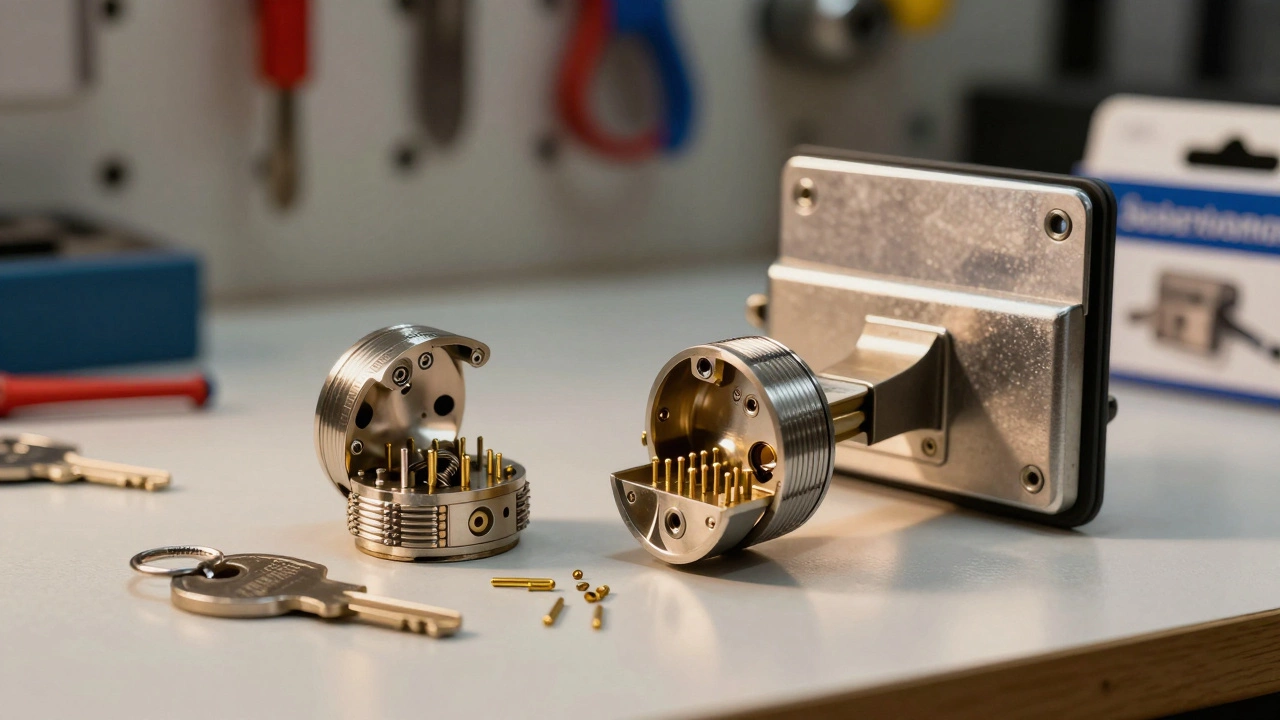
To give accurate advice, you must understand the mechanics. Most modern residential and commercial locks use a pin tumbler mechanism. Inside the cylinder, there are small pins stacked on top of each other. When the correct key is inserted, these pins align at a specific point called the shear line, allowing the plug to turn.
Rekeying involves taking the existing lock apart, removing the old pins, and inserting new ones that match a new key. The outer housing, the latch, and the strike plate stay exactly where they are. You are essentially changing the internal code of the lock without changing the hardware.
Replacing locks means removing the entire unit from the door and installing a brand-new lock set. This includes the cylinder, the latch bolt, the exterior handle or knob, and often the interior components. You are starting from scratch with fresh hardware.
Why does this matter for your training? Because rekeying requires precision and patience. It is a skill-heavy task. Replacing a lock is more labor-intensive but technically simpler if you know how to measure backset distances correctly. Both skills are mandatory for a professional locksmith.
Cost Breakdown: The Indian Market Reality
Let’s look at the numbers. Prices vary by city-Mumbai and Delhi will be higher than tier-2 cities-but the ratio remains consistent. These are estimated market rates for 2026.
| Service Type | Material Cost (Per Lock) | Labor/Skill Premium | Total Estimated Cost |
|---|---|---|---|
| Rekeying | ₹150 - ₹300 (Pin Kit) | d>₹400 - ₹800₹550 - ₹1,100 | |
| Replacement (Standard) | ₹1,200 - ₹2,500 (Lock Set) | ₹300 - ₹600 | ₹1,500 - ₹3,100 |
| Replacement (High Security) | ₹4,000 - ₹8,000+ (Branded) | ₹500 - ₹1,000 | ₹4,500 - ₹9,000+ |
As you can see, rekeying is significantly cheaper upfront. However, notice the labor premium. Rekeying has a higher labor-to-material ratio. Why? Because it takes longer. Disassembling a lock, cleaning the gunk out, identifying the pin depths, and testing the new key takes 30 to 45 minutes per lock. Replacing a lock might take 20 minutes if the holes align perfectly.
If you are building a business model, rekeying is high-margin work if you are efficient. Replacement is volume work. You sell the product, you install it, you move on.
When Rekeying Is the Wrong Choice
Just because rekeying is cheaper doesn't mean you should recommend it every time. A good locksmith protects their reputation by advising correctly. Here are the scenarios where rekeying fails:
- Worn Out Cylinders: If the key feels stiff or wobbly inside the current lock, the internal pins or the plug itself are worn. Rekeying a worn cylinder is like putting new tires on a flat rim. It won’t last. The customer will complain within weeks. In this case, replacement is mandatory.
- Damage to the Housing: If the lock faceplate is scratched, dented, or rusted, rekeying hides nothing. The aesthetic appeal is gone. Homeowners care about appearance. Suggesting a replacement here builds trust.
- Incompatible Keyways: Not all locks share the same keyway shape. If a client wants three different brands of locks to work with one key, and those brands use incompatible core designs, you cannot rekey them to match. You must replace the locks with a unified system.
- Security Upgrades: If a client is worried about bump keys or picking, rekeying an old, basic lock does nothing for its security rating. They need a high-security lock with anti-drill plates and complex pinning. This requires replacement.
The Hidden Value: Master Key Systems
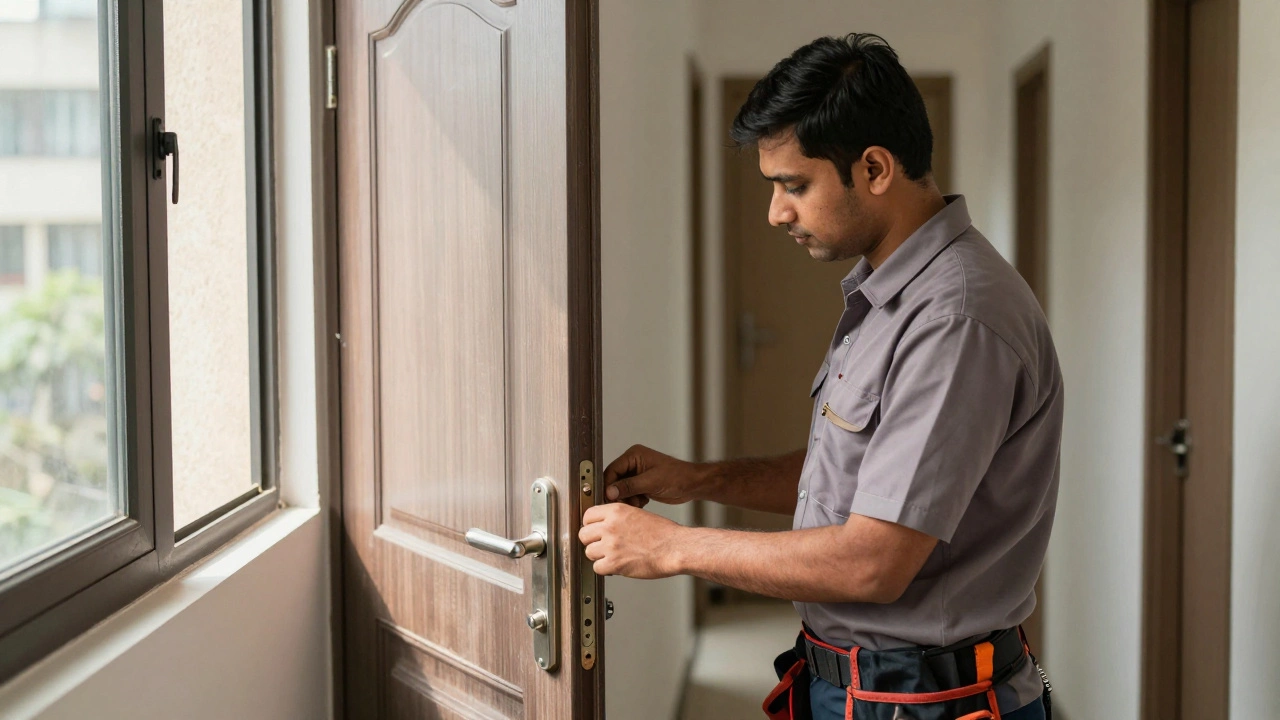
This is where your locksmith training pays off big time. Rekeying becomes incredibly valuable when dealing with offices, apartment complexes, or gated communities. Imagine a landlord who manages ten apartments. Each apartment needs a unique key so tenants don't enter each other's homes. But the landlord needs one master key to access all units for maintenance.
You cannot achieve this by simply buying ten different locks off the shelf. You must create a Master Key System. This involves calculating pin stacks that allow two different keys to open the same lock-one tenant key and one master key. This is purely a rekeying exercise (or custom manufacturing). The material cost is low, but the intellectual value is high. Landlords will pay a premium for this convenience. This is a niche service that separates hobbyists from professionals.
Impact on Your Career and Business Model
How does this affect you as a trainee or a new locksmith in India? Understanding this distinction helps you structure your pricing and inventory.
If you rely solely on replacements, you become dependent on suppliers. You need stock. You need cash flow to buy locks before you sell them. If a supplier delays shipment, you lose the job. Rekeying requires minimal inventory-just a box of pin kits and tools. You can carry everything in your van. This reduces overhead and increases agility.
Furthermore, customers perceive rekeying as a "service" and replacement as a "product." Services often command higher hourly rates. By positioning yourself as an expert in rekeying and security assessment, you attract clients who value expertise over cheap hardware. This is crucial in urban centers like Bangalore or Hyderabad, where tech-savvy clients appreciate detailed security audits.
However, do not ignore replacement sales. High-end locks from brands like Godrej, Hafele, or international brands like Yale have significant margins. The smart approach is a hybrid model: audit the lock first. If it’s healthy, offer rekeying as the budget-friendly option. If it’s compromised, upsell to replacement as the long-term solution.
Tools of the Trade: What You Need
To perform rekeying effectively, your toolkit must be precise. During your training, focus on mastering these specific tools:
- Disassembly Tools: Torx drivers and specialized screwdrivers for lock casings. Standard Phillips heads often strip the screws on high-quality locks.
- Pin Depth Gauge: To read the cut depth of keys accurately. Digital gauges are faster and less prone to human error than manual calipers.
- Key Cutting Machine: A high-precision machine is essential. Cheap machines produce jagged keys that wear out cylinders quickly. Invest in a quality machine early.
- Pin Kits: Stock multiple brands. Generic pins may fit physically but fail functionally due to tolerance issues. Brand-specific pins ensure smooth operation.
- Lubricants: Never use oil. Use graphite powder or PTFE-based lubricants. Oil attracts dust and creates sludge that ruins the mechanism over time.
Mastery of these tools allows you to rekey a standard mortise lock in under 20 minutes once you gain experience. Speed equals profit in this industry.
Common Mistakes Beginners Make
I’ve seen many new locksmiths stumble over these errors. Avoid them:
- Ignoring the Strike Plate: When rekeying, check the strike plate alignment. If the latch doesn’t slide smoothly into the hole, the user will blame the key. Adjust the strike plate during the service.
- Forgetting to Test: Always test the new key five times before handing it over. Check for smooth turning and easy insertion. Don’t assume the first try is perfect.
- Underpricing Labor: Don’t charge only for materials. Your skill is the product. Charge a minimum service fee even for rekeying. It filters out tire-kickers and respects your time.
- Mixing Pin Brands: Using brass pins from one manufacturer and steel springs from another can cause corrosion or binding. Stick to complete kits from reputable sources.
Future Trends: Smart Locks and Rekeying
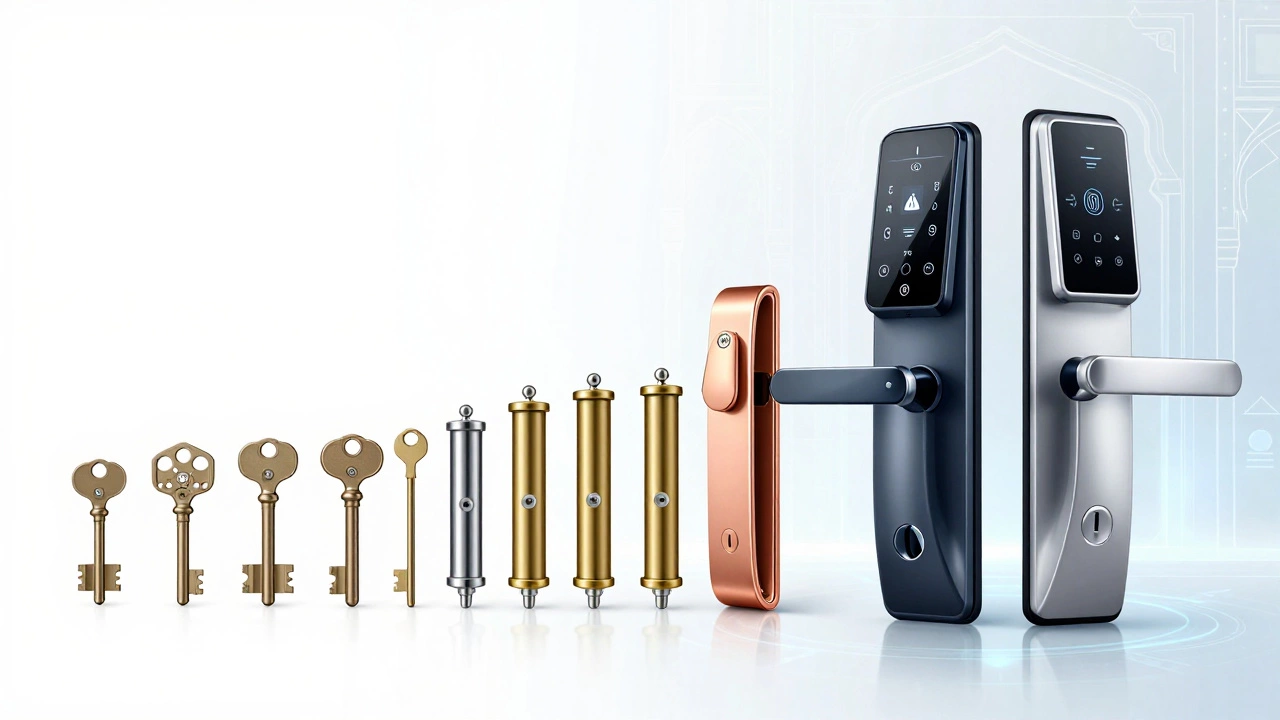
The industry is shifting. Smart locks are becoming popular in India. These electronic locks challenge the traditional rekey vs replace debate. Most smart locks cannot be rekeyed in the traditional sense because they use digital credentials or proprietary mechanical cores.
However, many smart locks still use a physical key override for emergencies. These override cylinders can often be rekeyed. As a locksmith, you must learn to identify which smart locks have rekeyable cores. This adds a layer of complexity to your services. You aren’t just changing pins; you’re integrating with home automation systems. This is where advanced training courses come in handy. Look for modules on electronic access control and smart lock integration.
The demand for smart lock installation is growing, but the maintenance-often involving battery changes, sensor calibration, and occasional mechanical rekeying-will remain steady. Positioning yourself as a technician who handles both mechanical and digital locks future-proofs your career.
Final Verdict for the Professional
So, is it cheaper to rekey or replace? Yes, rekeying is cheaper. But as a professional, your goal isn’t just to save the customer money today; it’s to provide a secure, functional solution that lasts. Rekeying is the economical choice for healthy, compatible locks. Replacement is the necessary choice for damaged, outdated, or upgraded security needs.
Your ability to diagnose this correctly is what defines your expertise. Customers don’t know the difference between a worn pin and a broken spring. You do. Trust your training, inspect thoroughly, and advise honestly. That integrity will build a loyal client base that keeps calling you, not just for emergencies, but for comprehensive security solutions.
Can I rekey any lock myself?
You can rekey standard pin tumbler locks if you have the right tools and pin kits. However, high-security locks with sidebars or magnetic pins require specialized training and equipment. Attempting to rekey these without proper knowledge can damage the lock permanently, leading to costly replacements.
How long does rekeying a lock take?
An experienced locksmith can rekey a standard mortise lock in 15 to 30 minutes. For beginners, it may take 45 to 60 minutes. The time varies depending on the condition of the lock, the type of mechanism, and whether disassembly is complicated by rust or dirt.
Is rekeying safer than replacing the lock?
If the existing lock is in good condition and meets current security standards, rekeying is equally safe. It renders old keys useless immediately. However, if the lock is old or vulnerable to picking/bumping, replacement with a high-security lock is significantly safer.
What happens if I lose my keys after rekeying?
If you lose keys after rekeying, you must contact your locksmith again. Since the lock now uses a unique key code, you cannot easily duplicate the key unless you have the original blank or code. Most locksmiths keep records of the key codes for registered customers, allowing them to cut a new key quickly without re-entering the property.
Do smart locks need rekeying?
Most smart locks manage access digitally, so "rekeying" involves deleting old user codes or Bluetooth pairings. However, many smart locks have a physical key override for power failures. These mechanical cores can often be rekeyed by a locksmith to match a master key system, providing a backup method of entry.