India to USA Export Estimator
Estimate the total value of a hypothetical shipment from India to the US based on sector averages.
Total Estimated Value
$0
Based on average unit pricesSector Context
...
When you look at the sheer volume of goods moving across the Pacific and Atlantic oceans, one relationship stands out as a powerhouse of global commerce. The trade between India and the United States isn't just about numbers; it's about how two massive economies rely on each other for everything from life-saving medicines to the diamonds in your partner's ring. If you are wondering what exactly is being shipped from Mumbai and Delhi to New York and Los Angeles, the answer goes far beyond stereotypes.
In 2025 and heading into 2026, the top exports from India to the USA have shifted slightly due to supply chain adjustments and new trade agreements. While technology services remain huge, when we talk about physical goods-things you can hold, touch, and buy-the list is dominated by three heavyweights: pharmaceuticals, gems and jewelry, and textiles. Understanding these sectors gives you a clear picture of where the real money is flowing.
For those looking to understand the mechanics behind this flow, whether for business or academic purposes, resources like this directory offer insights into how independent networks operate globally, though our focus here remains strictly on the macroeconomic trends defining Indo-US trade.
The Medicine Cabinet: Pharmaceuticals Lead the Charge
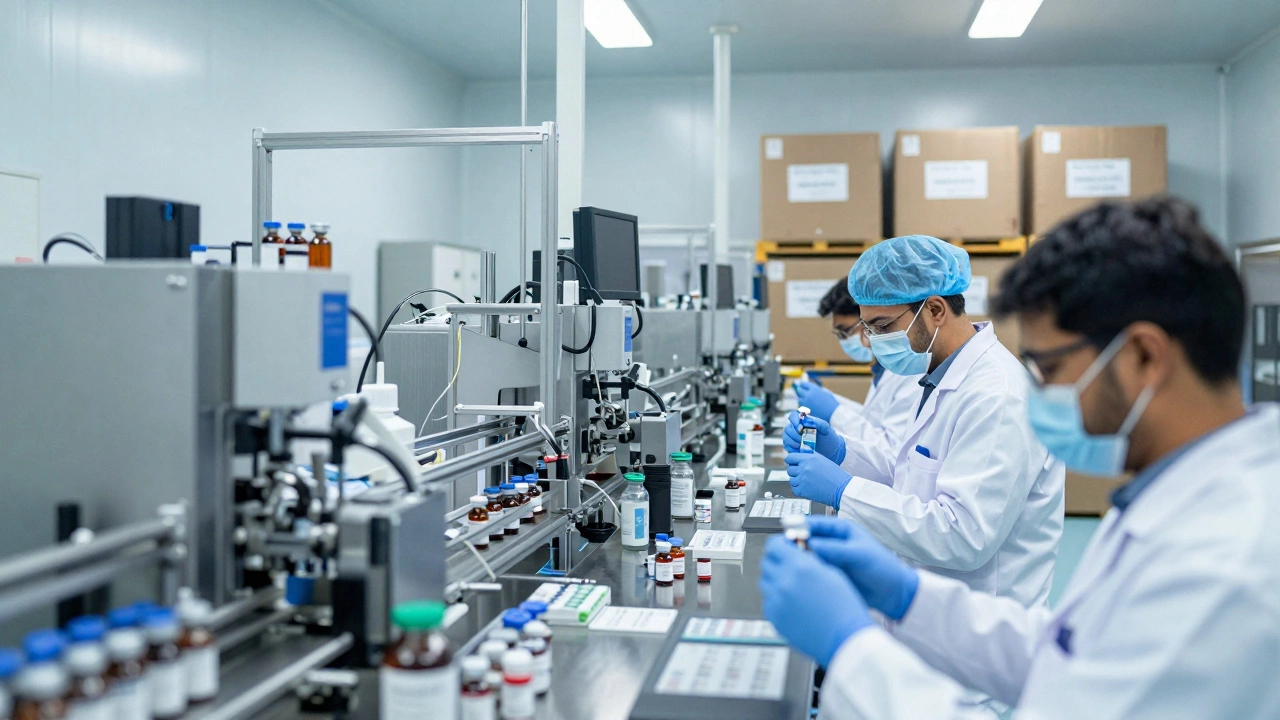
If there is one sector where India holds an undisputed crown, it is generic drugs. The United States relies heavily on Indian manufacturers for affordable medications. When you think about why this happens, it comes down to cost efficiency and regulatory compliance. Indian companies have spent decades building infrastructure that meets the strict standards of the US Food and Drug Administration (FDA).
In recent years, the export value of pharmaceuticals from India to the US has consistently hovered around $20 billion annually. This includes everything from common antibiotics and diabetes treatments to complex oncology drugs. Companies like Sun Pharma, Dr. Reddy's, and Cipla aren't just names on a stock ticker; they are critical links in the American healthcare supply chain. For students studying international trade, this sector is a prime example of how intellectual property laws and manufacturing capabilities intersect.
- Generic Drugs: Account for nearly 40% of all generic prescriptions filled in the US.
- Active Pharmaceutical Ingredients (APIs): Raw materials used to make finished drugs, increasingly sourced from India.
- Vaccines: A growing segment, especially post-pandemic, with India supplying billions of doses globally.
The key takeaway here is reliability. US hospitals and pharmacies trust Indian suppliers because the quality control is rigorous. If you are analyzing trade data, look for the term "bulk drugs"-these are the foundational components that drive the entire industry.
Sparkles and Shine: Gems and Jewelry
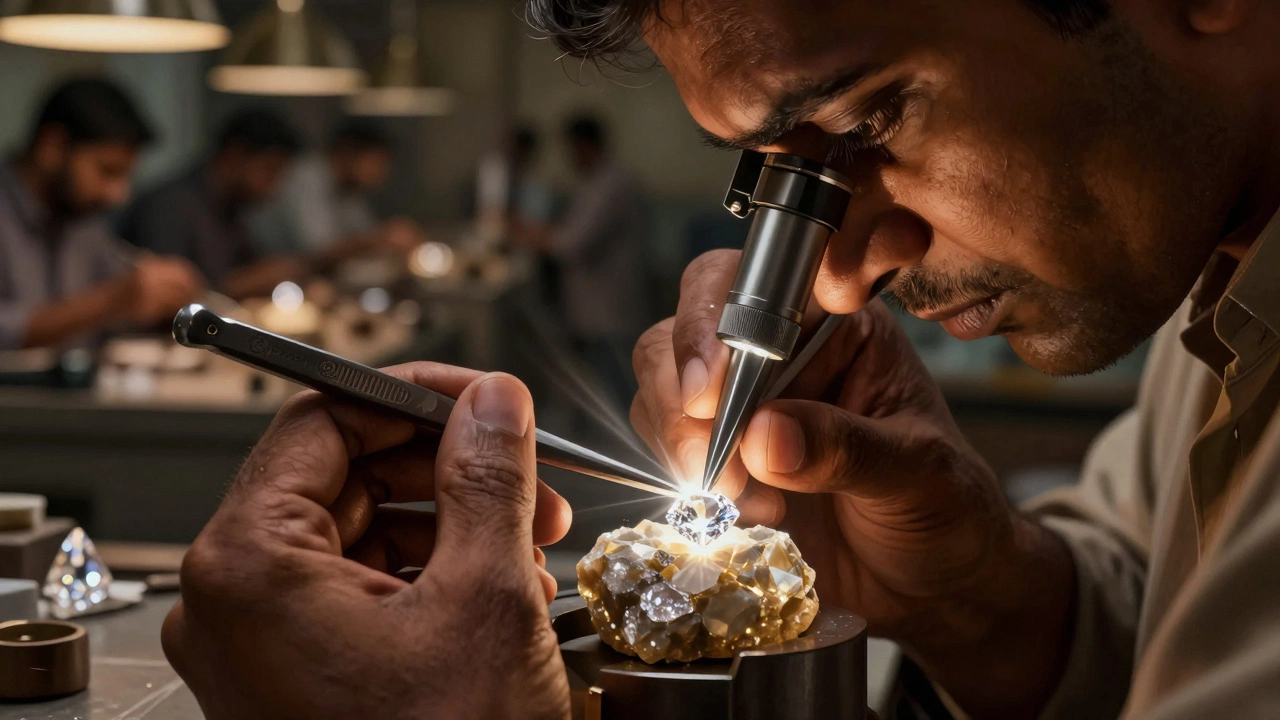
Next up is an industry that combines ancient craftsmanship with modern logistics: gems and jewelry. You might not realize it, but India processes over 90% of the world's rough diamonds. Once these stones arrive in Surat and Jaipur, they are cut, polished, and set into intricate designs before being exported to the US market.
The US is the largest importer of Indian jewelry, spending upwards of $15 billion a year on these goods. This isn't just about high-end luxury pieces; it includes costume jewelry, silverware, and diamond-studded accessories that appeal to a broad consumer base. The city of Surat alone handles more than half of the world's diamond cutting and polishing. This concentration of skill creates a competitive advantage that is hard to replicate elsewhere.
For anyone interested in vocational training within this sector, skills like lapidary (stone cutting) and CAD design for jewelry are in high demand. The export figures tell a story of cultural heritage meeting commercial scale. Every piece of jewelry exported represents hundreds of hours of skilled labor, making this a labor-intensive but high-value export category.
Fabricating Fashion: Textiles and Apparel
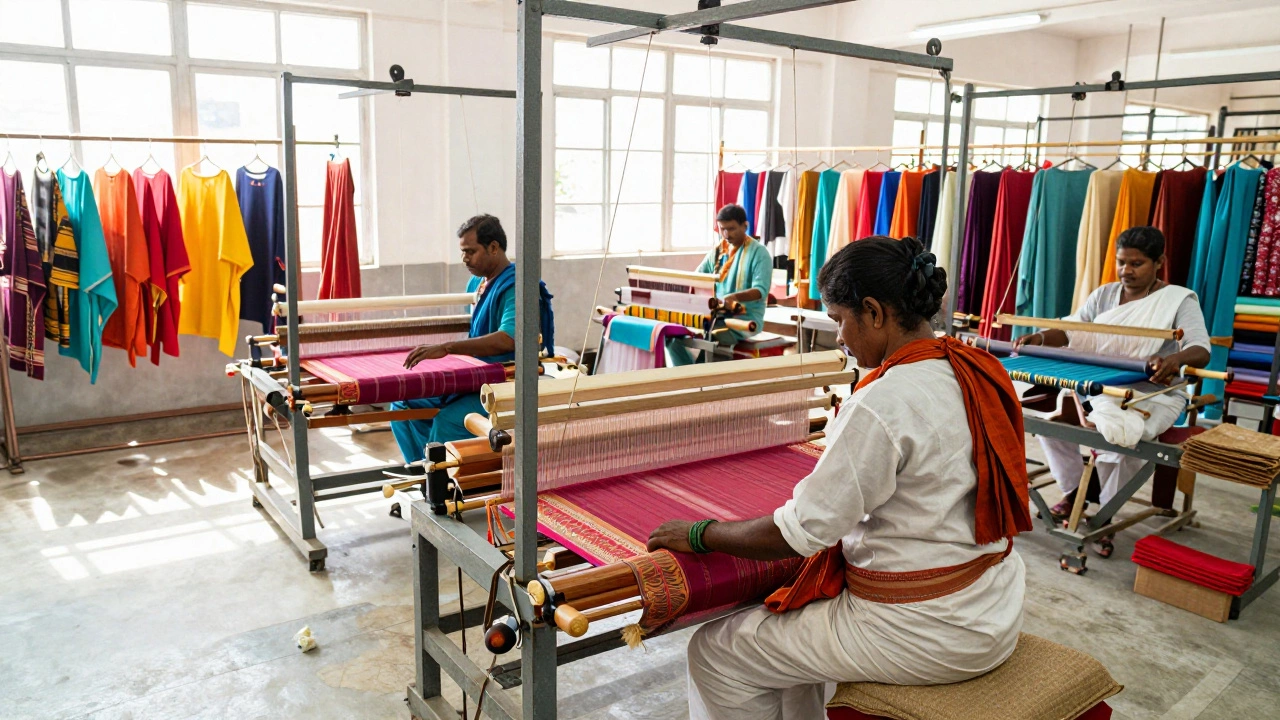
Clothing is another major pillar of Indian exports to the USA. From cotton shirts to silk sarees adapted for Western tastes, the textile industry employs millions of Indians and satisfies a significant portion of American demand for affordable fashion. The US imports roughly $10-12 billion worth of textiles and apparel from India annually.
What makes Indian textiles unique? It's the blend of natural fibers like cotton and jute with traditional weaving techniques. Brands like Fabindia and many private-label retailers in the US source directly from Indian factories to get high-quality organic cotton products. With the rise of sustainable fashion, Indian exporters who specialize in eco-friendly fabrics are seeing increased interest from American buyers who prioritize ethical sourcing.
| Category | Estimated Annual Value (2025) | Key Hubs in India | Primary US Demand Driver |
|---|---|---|---|
| Pharmaceuticals | $20+ Billion | Hyderabad, Mumbai | Affordable generics & APIs |
| Gems & Jewelry | $15+ Billion | Surat, Jaipur | Diamond processing & design |
| Textiles & Apparel | $12 Billion | Tirupur, Surat | Cotton clothing & home textiles |
| Engineering Goods | $8 Billion | Pune, Chennai | Auto parts & machinery |
Beyond the Big Three: Engineering and Agriculture
While pharma, jewelry, and textiles dominate the headlines, other sectors play crucial roles. Engineering goods, including auto parts and industrial machinery, represent a steady stream of exports. As the automotive industry shifts towards electric vehicles, Indian component manufacturers are finding new opportunities in the US market.
Agriculture also contributes significantly. Rice, spices, and seafood are popular imports in the US. Basmati rice, in particular, has a protected geographical indication status, ensuring that only authentic Indian Basmati reaches American tables. Spices like turmeric and cumin are staples in American kitchens, driven by diverse culinary trends. These agricultural exports highlight India's role as a provider of essential food commodities.
Why This Matters for Trade Professionals
Understanding what India exports to the USA is not just an academic exercise. For professionals in logistics, supply chain management, or international business, these sectors represent tangible opportunities. If you are considering a career in trade courses in India, focusing on industries with high export volumes provides better job security and growth potential.
The shift towards digital documentation and faster customs clearance under initiatives like the Digital Single Window system has made exporting easier. However, challenges remain. Tariff disputes, changing FDA regulations, and geopolitical tensions can impact trade flows. Staying informed about these dynamics is essential for anyone working in cross-border commerce.
Moreover, the rise of e-commerce platforms has allowed smaller Indian businesses to reach US consumers directly. Artisans selling handmade crafts or farmers exporting specialty teas no longer need large distributors. This democratization of trade opens doors for entrepreneurs who understand both markets.
Future Trends: What’s Next?
Looking ahead, several trends will shape Indo-US trade. First, there is a growing emphasis on sustainability. US consumers are increasingly conscious of the environmental impact of their purchases. Indian exporters who adopt green practices-from solar-powered factories to biodegradable packaging-will have a competitive edge.
Second, the service sector continues to expand. While we focused on physical goods, IT services, business process outsourcing, and consulting are massive exports from India to the US. In fact, if you include services, the total trade balance looks even more favorable for India. This dual strength in goods and services makes the economic partnership resilient.
Finally, innovation in logistics is reducing transit times. Air cargo options for high-value items like pharmaceuticals and electronics are becoming more efficient. For perishable goods like fruits and flowers, improved cold chain infrastructure ensures freshness upon arrival. These advancements support higher-value exports and reduce waste.
What is the single most exported product from India to the USA?
Pharmaceuticals are generally considered the most valuable single category, followed closely by gems and jewelry. Depending on the year and exchange rates, pharmaceuticals often lead with values exceeding $20 billion annually.
How much does India export to the USA in total?
Total merchandise exports from India to the USA typically range between $70 billion and $80 billion per year. When including services like IT and consulting, the total trade volume increases significantly.
Are there any restrictions on exporting from India to the USA?
Yes, certain goods require specific certifications. Pharmaceuticals must meet FDA standards, while agricultural products may need phytosanitary certificates. Additionally, some technologies fall under export control regulations due to national security concerns.
Which cities in India are major hubs for US-bound exports?
Mumbai and Chennai are key ports for general cargo. Hyderabad is a hub for pharmaceuticals, Surat for diamonds and textiles, and Tirupur for knitwear. Bangalore serves as a center for engineering goods and IT services.
Is the trade relationship balanced between India and the USA?
No, the USA runs a trade deficit with India, meaning it imports more than it exports. This imbalance is a frequent topic in diplomatic discussions, but both countries benefit from the complementary nature of their economies.