
Vocational Wellness Self-Assessment
Evaluate your current state of vocational wellness by answering these questions based on the three pillars: Skill Mastery, Psychological Safety, and Physical Comfort.
Your Vocational Wellness Profile
Skill Mastery
Psychological Safety
Physical Comfort
Overall Score:
0%You might think vocational wellness sounds like a buzzword from a corporate HR seminar, but it’s actually the secret sauce that keeps people in their careers long-term. It’s not just about having a job; it’s about feeling good, safe, and fulfilled while doing that job. For women entering skilled trades, this concept is even more critical because the path isn’t always smooth. You’re often navigating male-dominated spaces, physical demands, and societal expectations all at once.
So, what does vocational wellness look like in real life? Imagine you’re an electrician apprentice. Vocational wellness isn’t just your paycheck. It’s knowing you have the right safety gear that fits your body. It’s having a mentor who respects your skills rather than questioning them. It’s leaving work without carrying home stress about whether you’ll be accepted by the crew tomorrow. When these elements align, you experience a sense of well-being that fuels your professional growth and personal happiness.
Defining Vocational Wellness Beyond the Paycheck
Vocational wellness is a specific dimension of overall well-being that focuses on how you feel about your work and your ability to find meaning in it. The National Wellness Institute describes it as the process of achieving personal fulfillment through one’s chosen career or occupation. For women in trades, this definition needs a practical upgrade. It’s not enough to just "like" your job. You need to feel competent, supported, and physically comfortable in your role.
Think of it as a three-legged stool. If one leg breaks, you fall over. The first leg is Skill Mastery, which is the confidence that comes from knowing you can do the job well. The second leg is Psychological Safety, meaning you can speak up, make mistakes, and ask questions without fear of ridicule. The third leg is Physical Comfort, ensuring your tools, environment, and body are respected and protected. When you lack any of these, burnout sets in quickly.
A Day in the Life: Concrete Examples of Vocational Wellness
Let’s move away from theory. What does this actually look like on a Tuesday morning? Consider Sarah, a newly certified HVAC technician in Auckland. Before she started her apprenticeship, she worried about fitting into a male-heavy workshop. Her vocational wellness was low because she felt isolated.
Now, fast forward six months. Her employer implemented a few small changes. They sourced PPE (Personal Protective Equipment) designed for women, so her gloves didn’t slip off and her harness fit properly. This single change boosted her physical comfort immediately. Next, they paired her with a senior female journeyman for monthly check-ins. This provided psychological safety-she had someone who understood the specific challenges she faced. Finally, the company offered paid time for continuing education, allowing her to master complex refrigerant systems. This built skill mastery.
The result? Sarah reports higher job satisfaction, lower anxiety, and better performance reviews. She isn’t just surviving the trade; she’s thriving in it. That shift from survival to thriving is the hallmark of vocational wellness.
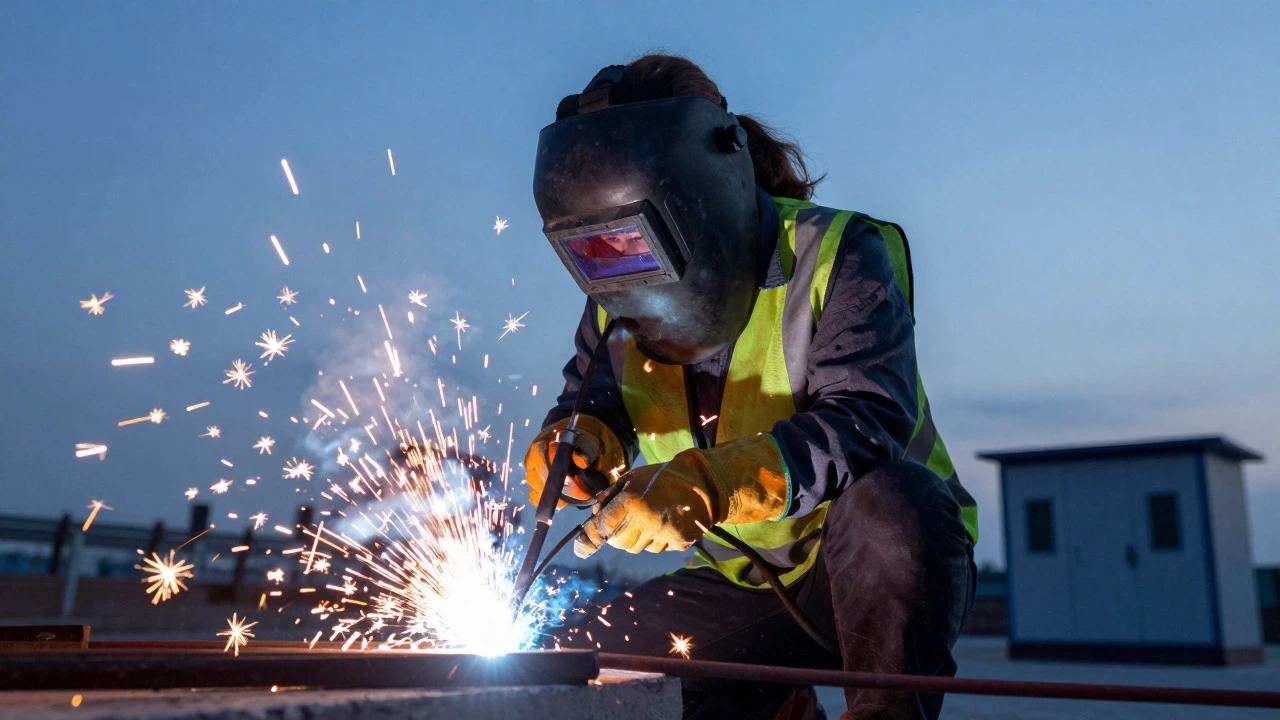
Why Women in Trades Face Unique Wellness Challenges
It’s no secret that women remain underrepresented in many skilled trades. According to recent data from the New Zealand Ministry of Business, Innovation and Employment, women make up less than 10% of the construction workforce. This disparity creates specific hurdles that impact vocational wellness.
One major issue is the "prove-it-again" bias. Women often feel they must demonstrate competence twice as hard as their male counterparts to gain the same level of trust. This constant pressure drains mental energy, leading to fatigue and doubt. Another challenge is infrastructure. Many job sites still lack adequate changing facilities or restrooms, forcing women to choose between discomfort and productivity. These aren’t minor inconveniences; they directly attack the physical and psychological legs of the wellness stool.
Furthermore, isolation can be a silent killer of motivation. If you’re the only woman on a crew of ten, casual banter might exclude you, or worse, become hostile. Without a support network, it’s easy to internalize these micro-aggressions as personal failures rather than systemic issues. Recognizing this pattern is the first step toward reclaiming your vocational wellness.
Strategies to Boost Your Vocational Wellness
You don’t have to wait for your employer to fix everything. There are actionable steps you can take today to improve your relationship with your work. Here is a checklist to get you started:
- Audit Your Gear: Do your boots hurt? Is your tool belt too heavy? Invest in equipment that fits your body. Proper ergonomics reduce physical strain and signal self-respect.
- Find Your Tribe: Join networks like Women in Trades NZ. Connecting with others who share your experiences validates your feelings and provides practical advice.
- Set Boundaries: Learn to say no to overtime when necessary. Protecting your personal time prevents burnout and maintains work-life balance.
- Celebrate Small Wins: Did you wire your first circuit board perfectly? Acknowledge it. Building confidence requires recognizing progress, not just final outcomes.
Employers also play a huge role. Companies that prioritize inclusive hiring practices, provide unbiased training, and enforce zero-tolerance policies for harassment see significantly higher retention rates among female staff. If you’re looking for a job, ask potential employers about their diversity initiatives during the interview. Their answer will tell you a lot about the wellness culture you’d be joining.

The Long-Term Impact of Vocational Wellness on Career Growth
Why should you care about this stuff? Because vocational wellness directly correlates with career longevity and financial success. When you feel good about your work, you’re more likely to pursue advanced certifications, seek leadership roles, and stay in the industry longer.
Consider the difference between two welders. Welder A feels stressed, unsafe, and undervalued. After five years, she leaves the trade for an office job, losing her specialized skills and high earning potential. Welder B feels supported, skilled, and respected. She pursues a supervisory certification, becomes a site foreman, and mentors new apprentices. Both had the same starting point, but their vocational wellness trajectories led to vastly different outcomes.
Investing in your wellness is investing in your future earnings. Skilled trades offer strong financial stability, but only if you can sustain your participation in the field. By addressing the emotional and physical aspects of your work, you build a career that lasts decades, not just months.
| Indicator | Low Vocational Wellness | High Vocational Wellness |
|---|---|---|
| Mental State | Anxiety, imposter syndrome, dread | Confidence, curiosity, engagement |
| Physical Health | Chronic pain, fatigue, poor sleep | Energy, proper recovery, ergonomic comfort |
| Social Environment | Isolation, exclusion, hostility | Support, collaboration, respect |
| Career Outlook | Stagnation, desire to quit | Growth, ambition, long-term commitment |
FAQs About Vocational Wellness
Is vocational wellness the same as job satisfaction?
Not exactly. Job satisfaction is a momentary feeling about your current tasks or pay. Vocational wellness is a holistic state of being that includes your physical health, mental resilience, social connections, and sense of purpose within your career. You can be satisfied with your pay but have poor vocational wellness if you feel unsafe or unsupported.
How can I improve my vocational wellness if my workplace is toxic?
Start by building external support systems, such as mentoring groups or online communities for women in trades. Set strict boundaries around work hours to protect your personal time. Document instances of toxicity professionally. If the environment doesn’t improve, consider seeking a role in a company with stronger diversity and inclusion policies, as your well-being is worth more than staying in a harmful situation.
Does vocational wellness affect salary potential?
Indirectly, yes. Higher vocational wellness leads to better performance, lower absenteeism, and greater willingness to pursue advanced certifications. These factors make you more valuable to employers, opening doors to promotions and higher wages. Burnout, conversely, can stall your career progression and lead to early exits from the industry.
What are signs I’m experiencing low vocational wellness?
Common signs include Sunday night anxiety, chronic physical pain that doesn’t heal, feeling invisible or dismissed by colleagues, and a persistent desire to quit despite liking the actual work. If you feel drained rather than energized after completing a task, your vocational wellness may be compromised.
Can men benefit from focusing on vocational wellness?
Absolutely. While women face unique challenges, men also struggle with isolation, physical strain, and pressure to conform to stoic norms. Vocational wellness principles apply to everyone. However, the strategies often differ; for example, creating space for vulnerability and open communication benefits all genders in high-pressure trade environments.