ROI Calculator for Digital Marketing Campaigns
Calculate Your Campaign Profitability
Digital marketers measure success by ROI, not just clicks. Enter your campaign numbers to see if you're making money.
Ever scrolled through LinkedIn and seen someone call themselves a "digital marketer" and wondered what they actually do all day? It’s not just posting on Instagram or running ads. The job is way more layered than most people think. If you’re considering a digital marketing course or just trying to understand if this career fits you, here’s the real breakdown-no fluff, no buzzwords, just what happens in the day-to-day.
They plan campaigns, not just post content
A digital marketer doesn’t wake up and decide what to post. They start with goals. Maybe the business wants to get 500 new email subscribers in 30 days. Or maybe they need to cut the cost per lead by 20%. These goals drive everything. They map out which channels to use-Facebook, Google Search, email, TikTok, YouTube-and then build a timeline. They pick the right audience based on age, location, past behavior, even device type. A good digital marketer knows that targeting women aged 35-45 in Chicago who bought running shoes last year is way more effective than blasting everyone who clicked on a meme.They run ads, but they’re not just ad buyers
Yes, they set up Facebook and Google Ads. But that’s just the start. They test different headlines, images, and calls to action. One week, they might try a video ad showing a customer testimonial. The next, they switch to a carousel ad with before-and-after shots. They track which version gets the lowest cost per click and highest conversion rate. They don’t just click "launch" and walk away. They tweak budgets daily, pause underperforming ads, and shift money to what’s working. In 2025, top performers use AI tools to auto-optimize bids, but they still need to understand why the algorithm is making those choices.They manage websites-not just design them
Digital marketers often work with web developers, but they don’t wait for them to fix everything. They need to know how to update landing pages, test button colors, or change headlines to improve conversions. They use tools like Google Optimize or Unbounce to run split tests. If a landing page has a 2% conversion rate, they don’t just accept it. They ask: Is the headline clear? Is the form too long? Does the page load in under 2 seconds? They’ve seen pages with perfect design fail because the CTA button was gray instead of orange.They analyze data-constantly
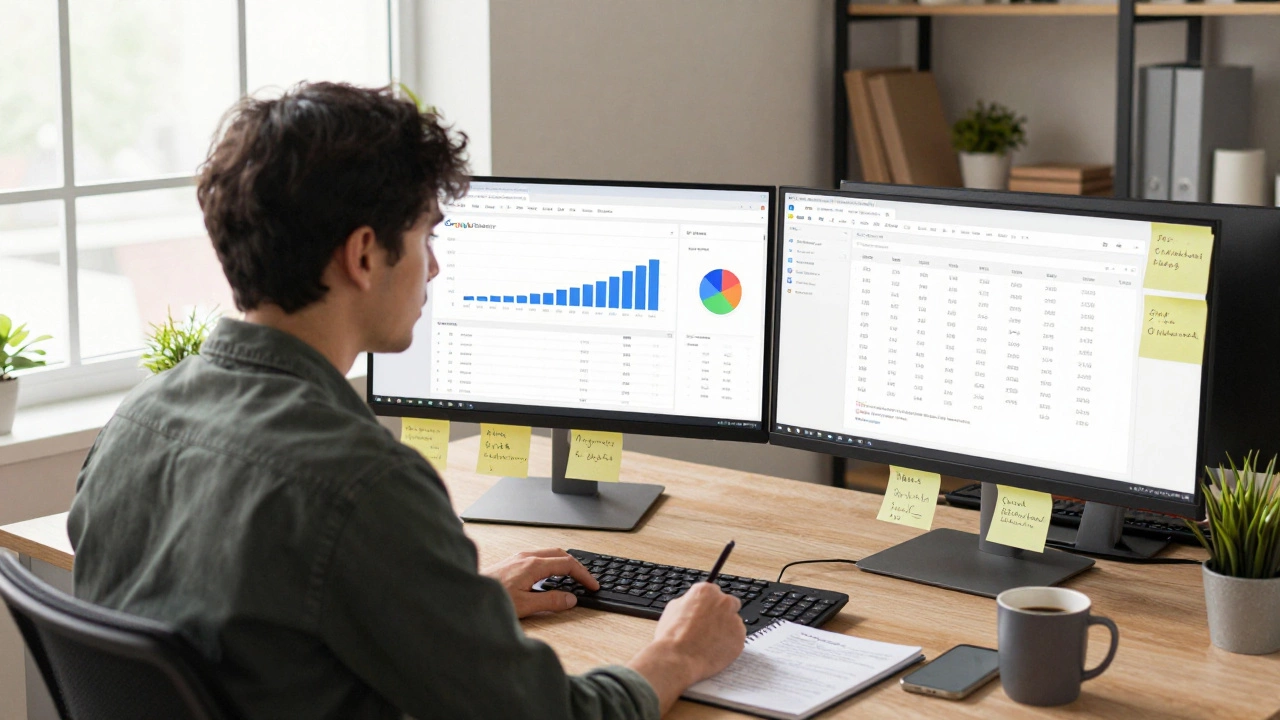
This is where most people get lost. A digital marketer spends hours in Google Analytics, Meta Business Suite, or HubSpot looking at numbers. They don’t just check total clicks. They track bounce rates, time on page, conversion paths, and customer lifetime value. They know that 10,000 website visits mean nothing if only 5 people buy. They connect the dots between an ad click, an email signup, and a final purchase. If someone clicks an ad on Monday, opens three emails, and buys on Friday, the marketer needs to know that. That’s attribution-and it’s messy, but essential.They write copy that sells
You’d be surprised how much writing is involved. Every ad, email, social post, and product description is written by them-or at least approved by them. They don’t write for poets. They write for people scrolling on their phones, distracted, in a hurry. A good subject line isn’t clever-it’s urgent. A product description isn’t fancy-it answers: "What’s in it for me?" They know that "Get 50% off" converts better than "Enjoy a special discount." They test these tiny changes because small improvements add up. One company increased email open rates by 37% just by changing "Hello" to "Hey [First Name]" in the subject line.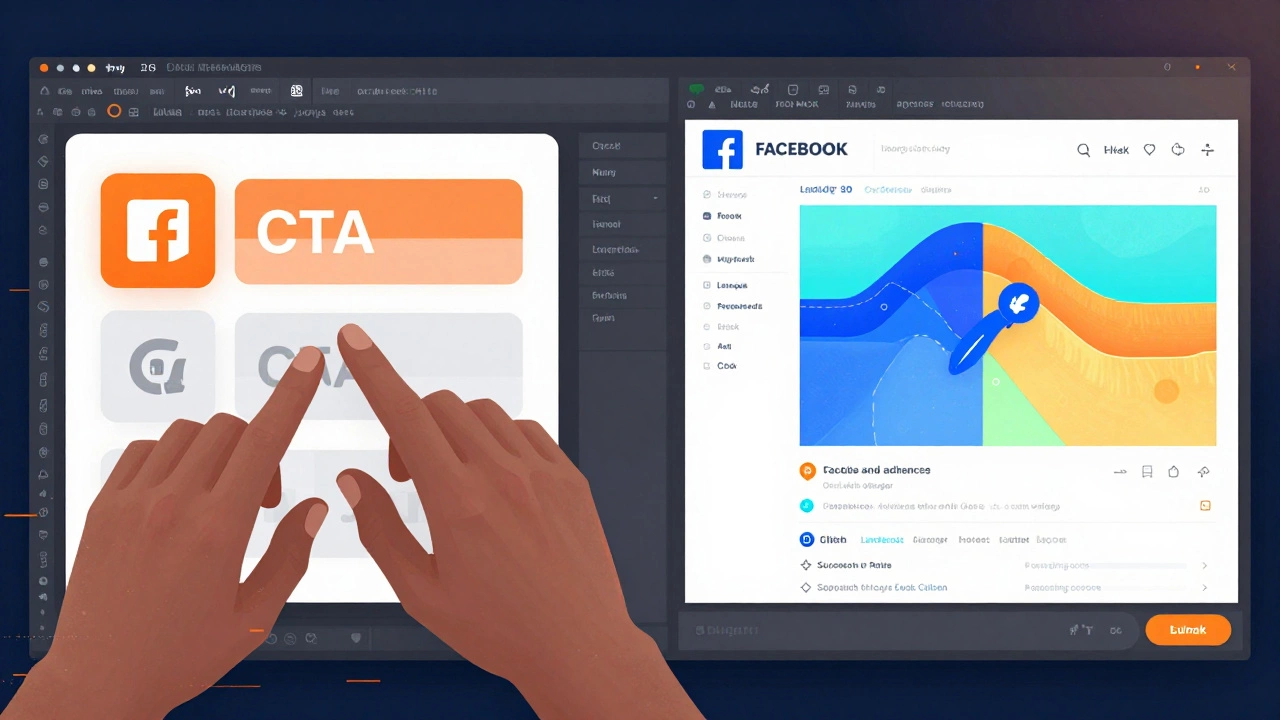
They build email lists, not just send newsletters
Email isn’t dead-it’s the most profitable channel. Digital marketers build lists by offering free guides, quizzes, or discount codes in exchange for emails. Then they set up automated sequences. If someone downloads a free SEO checklist, they get a follow-up email after 24 hours, then another after 3 days, then a pitch for a paid course. They segment lists: new subscribers get onboarding emails. Past buyers get upsell offers. People who opened but didn’t click get re-engagement messages. It’s all automated, but the strategy behind it is human.They stay ahead of changes
Platforms change constantly. In 2024, Meta cut organic reach even further. In 2025, Google rolled out new AI-powered search results that pushed ads further down the page. TikTok changed its algorithm to favor longer videos. A digital marketer can’t rely on last year’s tactics. They read industry blogs, test new features early, and join communities. They don’t wait for tutorials-they experiment. If a new feature like Google’s Performance Max campaigns shows promise, they test it on a small budget before scaling.They work with other teams
They don’t work in a vacuum. They talk to sales teams to understand what leads convert. They ask customer service what questions customers ask most. They collaborate with designers to make visuals that match the message. They give feedback to product teams based on what users are searching for. A digital marketer is often the bridge between what the company sells and what the customer actually wants.They measure ROI, not just vanity metrics
Clicks, likes, and followers don’t pay the bills. Revenue does. A digital marketer knows the difference between vanity metrics and real business outcomes. If a campaign gets 100,000 views but only $200 in sales, it’s a failure. They calculate return on ad spend (ROAS). If you spend $1,000 on ads and make $4,000 in sales, that’s a 4x return. That’s the number that matters. They report this to managers-not in charts full of colors, but in clear numbers: "This campaign brought in $12,500 in revenue at a cost of $2,100. Net profit: $10,400."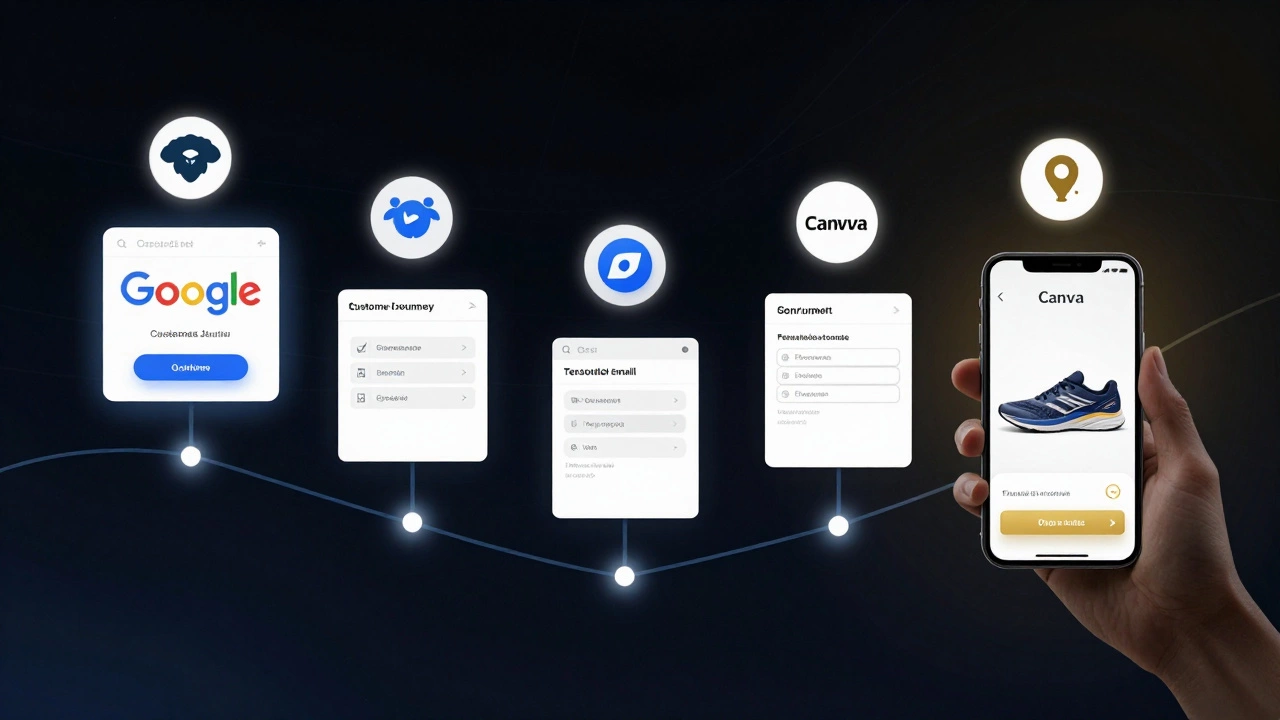
They use tools-but the tool doesn’t do the work
You’ll hear names like SEMrush, Ahrefs, Mailchimp, Hootsuite, Canva, and ChatGPT. But knowing how to click buttons isn’t enough. A tool can suggest keywords, but only a marketer knows which ones align with customer intent. A tool can write a draft email, but only a marketer knows if it matches the brand voice. The best digital marketers use tech to save time, not to replace thinking.What skills do you actually need?
You don’t need a degree. You need curiosity, patience, and the ability to learn fast. You need to be comfortable with numbers but not obsessed with them. You need to be detail-oriented but able to see the big picture. You need to handle rejection-ads get rejected, emails get ignored, campaigns flop. You need to be okay with constant change. Most digital marketers started by doing small projects for friends, local businesses, or even their own side hustle. That’s how they learned what works.It’s not magic. It’s method.
There’s no secret formula. No one gets rich overnight because they "went viral." Success comes from testing, tracking, and repeating what works. A digital marketer is part scientist, part storyteller, part data detective. They don’t guess-they measure. They don’t assume-they test. And they don’t stop until the numbers move.Is digital marketing a good career in 2026?
Yes, but not because it’s easy. Demand is high because every business-local shops, SaaS startups, nonprofits-needs online visibility. The problem? Many people think it’s just posting on social media. The real experts who can analyze data, optimize campaigns, and connect marketing to revenue are still in short supply. If you’re willing to learn the technical side and stay sharp, it’s one of the most scalable careers today.
Do I need to know how to code to be a digital marketer?
No, but knowing basic HTML helps. You don’t need to build websites from scratch, but understanding how to edit a landing page’s headline tag or fix a broken link saves time. Tools like WordPress and Unbounce let you make changes without code. But if you can read a little HTML or understand how Google Tag Manager works, you’ll stand out. Most digital marketers learn just enough to be self-sufficient.
What’s the difference between a digital marketer and a social media manager?
A social media manager focuses mostly on platforms like Instagram, TikTok, and Twitter-posting content, replying to comments, growing followers. A digital marketer has a broader role: they run paid ads, manage email campaigns, optimize websites, track sales conversions, and coordinate across channels. A social media manager might report to a digital marketer. Think of it this way: the social media manager handles the conversation. The digital marketer handles the strategy and results.
Can I learn digital marketing on my own?
Absolutely. Many top digital marketers are self-taught. Start with free resources: Google Skillshop for Ads, Meta Blueprint for social ads, HubSpot Academy for email and CRM. Then practice. Offer to manage a friend’s small business page. Run a $5/day ad campaign for a local bakery. Track the results. Build a portfolio of real results-even if they’re small. Certificates help, but showing you drove real traffic or sales matters more.
How long does it take to get hired as a digital marketer?
With focused learning and hands-on practice, you can land an entry-level job in 3-6 months. Most employers care more about what you’ve done than what degree you have. If you can show a campaign you ran that increased leads by 30% or cut ad costs by 25%, you’ll get noticed. Start applying for internships, freelance gigs, or junior roles. The first job is the hardest. After that, your experience speaks for itself.
Next steps if you want to try it
If this sounds like something you’d enjoy, here’s how to start this week:- Sign up for Google Skillshop and complete the Search Ads Basics course.
- Create a free Google Analytics account and connect it to a blog or personal site.
- Run a $10 Facebook ad campaign for a product you like-track clicks and conversions.
- Write three email subject lines for a fake product. Test them on friends: which one makes them want to open it?
- Find one small business in your area. Offer to help them improve their Google Business Profile for free.