
Skill Development Training Finder
Find Your Perfect Skill Development Training
Match your career goals with the most relevant skill development training options available in New Zealand. This tool will help you find training that leads to real job opportunities.
Recommended Training Options
Based on your selections, here are the best skill development training options for you:
Note: Check with Te Pūkenga or your local Workforce Development Council for government funding opportunities.
Think about the last time you felt stuck in your job. Maybe you were passed over for a promotion. Or you watched someone else get hired for a role you wanted, even though you had more experience. The difference wasn’t luck. It was skill development training.
Skill development training isn’t just another buzzword. It’s the practical, hands-on process of learning new abilities-or sharpening old ones-so you can do your job better, move up faster, or even switch careers. Unlike traditional education that focuses on theory, this kind of training is built around what employers actually need right now.
What Exactly Counts as Skill Development Training?
Skill development training covers anything that turns knowledge into action. It’s not about memorizing facts. It’s about doing. You could be learning how to use Excel for data analysis, mastering customer service scripts, learning to operate a CNC machine, or getting certified in basic first aid. All of these count.
It’s usually short-term, focused, and outcome-driven. Most programs last from a few days to a few months. They’re designed so you walk away with a usable skill, not just a certificate. Think of it like learning to ride a bike-you don’t need to know the physics of balance. You just need to be able to stay upright and steer.
In New Zealand, where job markets shift fast, this kind of training is critical. Employers aren’t looking for people who studied something five years ago. They want people who can solve today’s problems. That’s why skill development training is growing so quickly in trades, tech, healthcare, and hospitality.
How Is It Different From Regular Education?
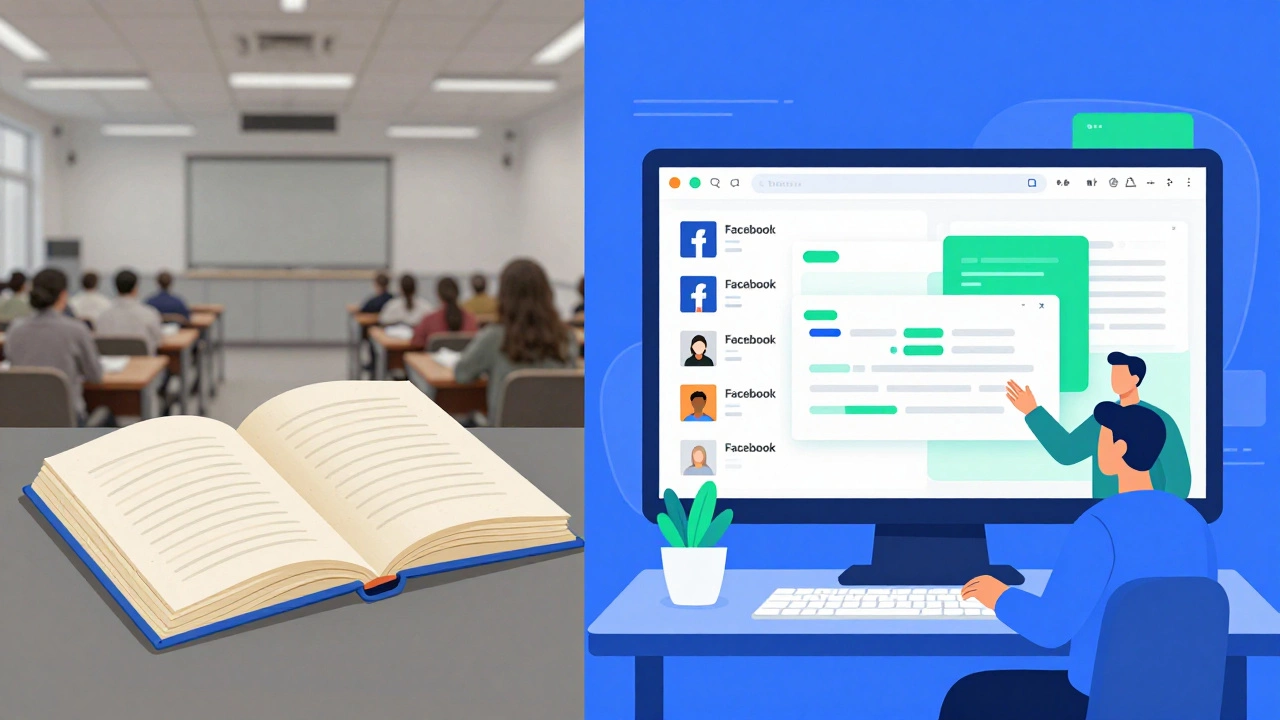
University degrees and diplomas teach broad concepts. Skill development training teaches specific tools and behaviors. One gives you a map. The other gives you a compass and teaches you how to read it.
For example:
- A business degree might teach you marketing theory.
- A skill development course in digital marketing teaches you how to set up a Facebook ad campaign, track clicks, and adjust budgets in real time.
The degree might look better on paper. But the training gets you hired faster-and often pays better in the short term.
Another big difference? Cost. A university course can cost thousands. Many skill development programs cost under $500. Some are even free through government initiatives like Workforce Development Councils or Skills Organisation funding.
Who Benefits the Most From This Type of Training?
Everyone can benefit-but some groups see the biggest jump in opportunity.
- New entrants to the workforce: High school leavers who aren’t ready for university can build job-ready skills in weeks.
- Mid-career workers: If your industry is changing-like retail moving to online sales or manufacturing adopting automation-upskilling keeps you relevant.
- Parents returning to work: Flexible, short-term training lets you re-enter the job market without years of study.
- Immigrants and refugees: Language and vocational training help you use your existing experience in a new country.
- Retirees looking for part-time work: Learning basic tech skills opens doors to gigs like virtual assistance or local shop support.
There’s no one-size-fits-all path. The key is matching the training to your goals. Want to earn more? Focus on high-demand skills. Want more flexibility? Learn remote-friendly skills like data entry, transcription, or online customer service.
What Are the Most In-Demand Skills Right Now?
Not all skills are created equal. Some open doors. Others just fill time. Here’s what employers in New Zealand are asking for in 2025:
- Digital literacy: Using cloud tools like Google Workspace, Microsoft 365, or Zoom confidently.
- Basic data analysis: Understanding spreadsheets, creating charts, spotting trends.
- Customer service: Especially in healthcare, retail, and hospitality-people want empathy and problem-solving, not scripts.
- Trade skills: Electricians, plumbers, and carpenters are still in high demand. Many programs now include smart home tech and energy-efficient systems.
- Soft skills: Communication, time management, adaptability. These are no longer nice-to-haves. They’re mandatory.
These aren’t just buzzwords. They’re the skills listed in over 70% of job ads in Auckland and Wellington, according to recent data from MBIE (Ministry of Business, Innovation and Employment).
Where Can You Find Quality Skill Development Training?
Not every course is worth your time. Here’s where to look:
- Industry Training Organisations (ITOs): These are government-approved bodies that design training for specific sectors. For example, Skills Organisation covers hospitality and retail; Engineering Industry Training covers trades.
- Te Pūkenga (New Zealand Institute of Skills and Technology): The national network of polytechnics and industry training providers. Offers everything from basic digital skills to advanced certifications.
- Community centres and libraries: Many offer free or low-cost workshops on resume writing, interview prep, and basic computer skills.
- Online platforms: Sites like LinkedIn Learning, FutureLearn, and Coursera have short courses with NZ-specific examples.
- Employer-sponsored training: Ask your manager. Many companies now budget for upskilling because it reduces turnover.
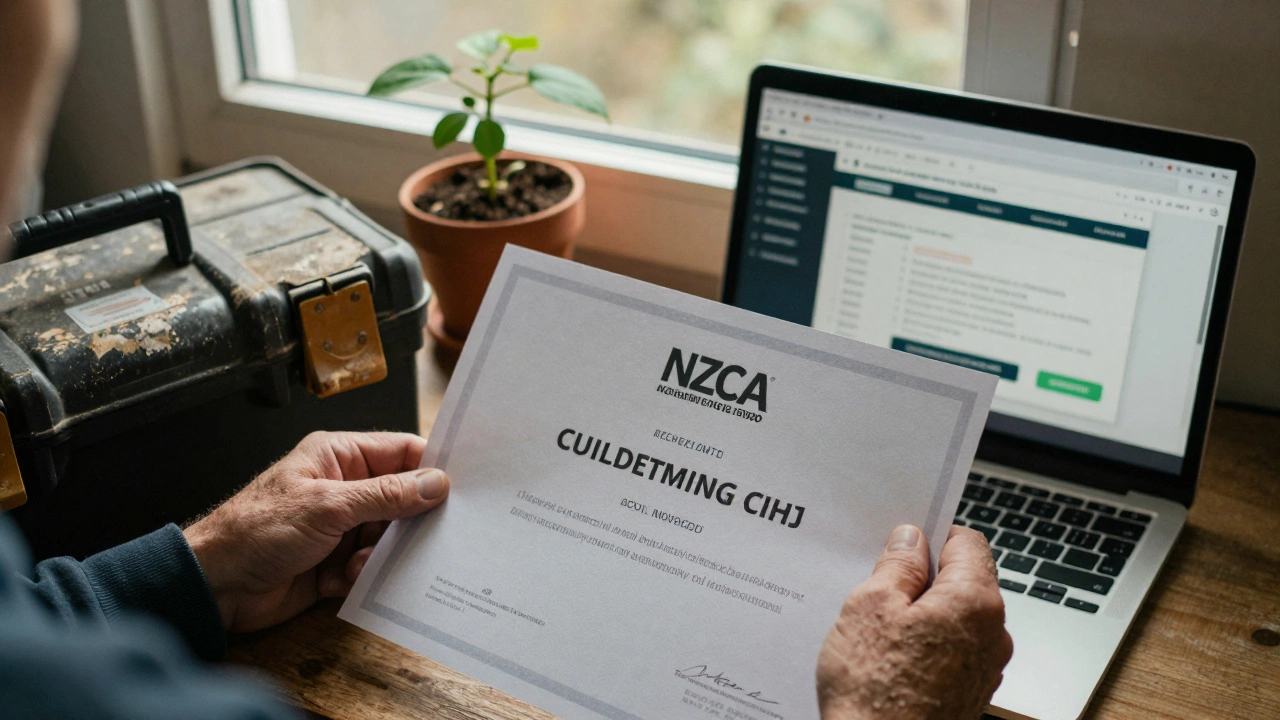
Always check if the training is accredited. Look for NZQA (New Zealand Qualifications Authority) approval. Even a Level 2 or 3 qualification counts and can be added to your CV.
How to Pick the Right Training for You
Here’s a simple three-step filter:
- What job do you want? Look at five job ads for roles you’d like. What skills keep showing up? That’s your target.
- What can you afford? Time and money matter. A $200 course that takes 10 hours is better than a $2,000 course that takes six months if you need income fast.
- Will it get you noticed? Does the course give you a certificate? Can you show proof of completion? Can you use it in an interview? If not, skip it.
Don’t chase the trendiest skill. Chase the skill that solves your problem.
What Happens After You Finish?
Finishing a course is just the start. The real work begins when you apply what you learned.
- Update your CV. Don’t just say "completed training." Say: "Completed Microsoft Excel for Business Data Analysis-created weekly sales reports that improved team forecasting accuracy by 20%."
- Ask for a trial task at work. "I just learned how to use Trello. Can I manage the next project timeline?"
- Volunteer. Offer to help a local charity with their website or social media. Real experience beats theory every time.
- Track your progress. Keep a simple log: "Week 1: Learned how to send professional emails. Week 2: Managed my first client call."
Employers don’t care how many courses you’ve taken. They care what you’ve done with them.
Common Mistakes to Avoid
People waste time and money on training that doesn’t move the needle. Here’s what to watch out for:
- Choosing based on convenience: Just because it’s online or close to home doesn’t mean it’s useful.
- Skipping practice: Watching a video isn’t the same as doing the task. Build in time to practice daily.
- Waiting for "perfect" timing: There’s never a perfect time. Start small. One hour a week is enough to begin.
- Ignoring feedback: If you’re stuck, ask for help. Most trainers offer free follow-up support.
The biggest mistake? Thinking skill development is for someone else. It’s for you. Right now. Today.
Final Thought: Skills Are Your Currency
In 2025, your job security isn’t tied to how long you’ve worked somewhere. It’s tied to what you can do right now. Skills are the only thing that can’t be outsourced, automated, or replaced by AI.
Want to earn more? Learn a skill. Want to change jobs? Learn a skill. Want to feel more confident? Learn a skill.
You don’t need a degree. You don’t need to go back to school. You just need to start.
Is skill development training the same as vocational training?
Skill development training is broader. Vocational training focuses on specific trades like plumbing, electrical work, or carpentry. Skill development includes those, but also covers digital skills, customer service, communication, and other workplace abilities. Think of vocational training as one type of skill development-not the whole picture.
Can I get government funding for skill development training?
Yes. Many programs are fully or partially funded through the Government’s Targeted Training and Apprenticeship Fund (TTAF) or local Workforce Development Councils. If you’re a New Zealand resident or citizen, you may qualify for free or low-cost training in high-demand areas like healthcare, IT, construction, and early childhood education. Check with Te Pūkenga or your local Work and Income office.
How long does skill development training usually take?
It varies. Some courses last just a few hours-like a one-day workshop on using Zoom effectively. Others run for 6 to 12 weeks, such as a certificate in basic accounting or customer service. Most are designed to fit around work or family, with evening, weekend, or online options available.
Do I need prior experience to join a skill development course?
No. Most skill development programs are designed for beginners. Even if you’ve never used a computer, there are courses that start from zero. The only requirement is willingness to learn. Some advanced courses may ask for basic experience, but that’s clearly stated upfront.
Will this training help me get a job in New Zealand if I’m new to the country?
Absolutely. Many newcomers use skill development training to bridge the gap between their overseas experience and local job expectations. Language training combined with workplace skills like communication, safety procedures, and local software tools makes a huge difference. Programs like those offered by Settlement Services or Te Pūkenga specifically support migrants and refugees.
If you’re ready to take the next step, start by listing three skills you’d like to learn. Then search for one course that matches. Sign up. Show up. Do the work. That’s how careers change-not with grand plans, but with small, consistent actions.