Plumbing Career Path & Salary Estimator
Explore Work Environments
Click on a work setting to see what the job entails.
Residential
Homes, Apartments, Condos
Commercial
Offices, Schools, Retail
Industrial
Factories, Power Plants
Salary Potential Estimator
Calculate estimated annual earnings based on experience and location.
Career Progression Timeline
Training Course
Vocational school or community college basics (Math, Physics, Codes).
Apprenticeship
4-5 years of paid on-the-job training combined with classroom instruction.
Licensing Exam
Pass written exam to become a licensed Journeyman Plumber.
Mastery / Business
Gain additional hours/certifications to become Master Plumber or start own business.
When you think of a plumber, you probably picture someone fixing a leaky sink or unclogging a toilet. But what is the most common job for a plumber in the real world? The answer isn't just one task-it's a mix of installation, maintenance, and emergency repair work across different settings.
Most plumbers spend their days ensuring that water flows correctly, waste is removed safely, and gas lines are secure. While every day brings new challenges, certain tasks dominate the profession. Understanding these core duties helps you decide if this career fits your skills and interests.
The Core Reality: Installation vs. Repair
If we break down the daily routine of a typical plumber, two main categories emerge: installation and repair. According to industry data from organizations like the Bureau of Labor Statistics, about half of a plumber’s time is spent installing systems in new buildings, while the other half involves maintaining and repairing existing ones.
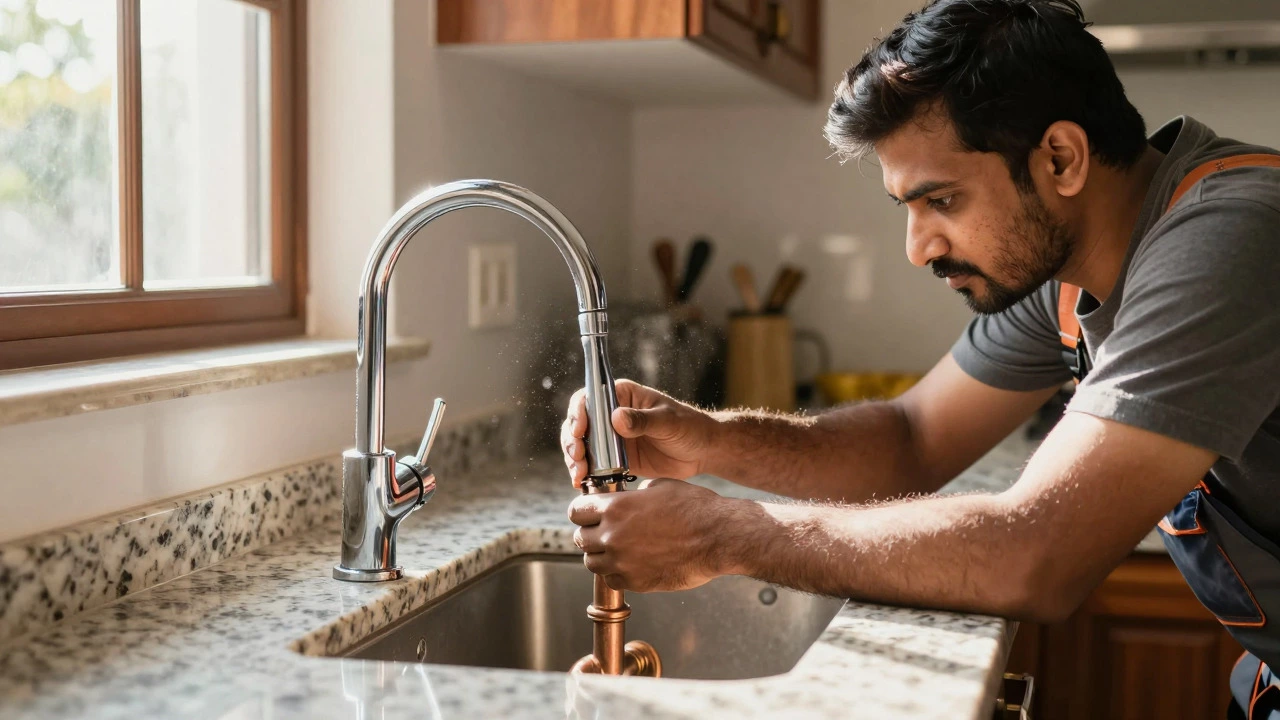
Residential plumbing makes up the largest share of this work. In homes, plumbers install pipes, fixtures, and water heaters. They also fix leaks, replace old parts, and ensure everything meets local building codes. This balance between building something new and fixing what’s broken keeps the job dynamic but predictable enough to plan around.
Why does this matter? Because it means you need both technical skill and problem-solving ability. You can’t just follow a manual; you have to diagnose why a pipe burst or why water pressure dropped. That’s where experience-and proper training-comes in.
Where Do Plumbers Work?
The setting changes the nature of the job. Most plumbers work in one of three environments:
- Residential: Working in single-family homes, apartments, or condos. Tasks include installing sinks, toilets, showers, and water heaters. Emergency calls are common here-think burst pipes at midnight.
- Commercial: Larger projects in offices, schools, hospitals, and retail stores. These jobs often involve bigger pipe systems, grease traps, and compliance with stricter health regulations.
- Industrial: Factories, power plants, and refineries. Here, plumbers might work with high-pressure steam systems, chemical waste lines, or specialized equipment. Safety protocols are more rigorous.
While residential work is the most common entry point, many plumbers move into commercial or industrial roles as they gain experience. Each sector offers different pay scales, working hours, and physical demands.
Key Tools of the Trade
You can’t do the job without the right tools. A plumber’s toolkit includes both basic hand tools and advanced machinery. Knowing which tool to use when is part of the skill set.
| Tool | Primary Use | Frequency of Use |
|---|---|---|
| Pipe Wrench | Tightening and loosening pipe fittings | Daily |
| Plumber’s Snake (Auger) | Clearing clogs in drains and sewers | Frequent |
| Teflon Tape | Sealing threaded connections | Daily |
| Drain Camera | Inspecting inside pipes for blockages or damage | Weekly |
| Soldering Torch | Joining copper pipes | Regular |
Modern plumbers also rely on digital tools. Smartphone apps help them schedule jobs, access blueprints, and communicate with customers. Some even use drones to inspect roof drains or underground lines. Technology doesn’t replace hands-on work-but it makes it smarter.
Physical Demands and Working Conditions
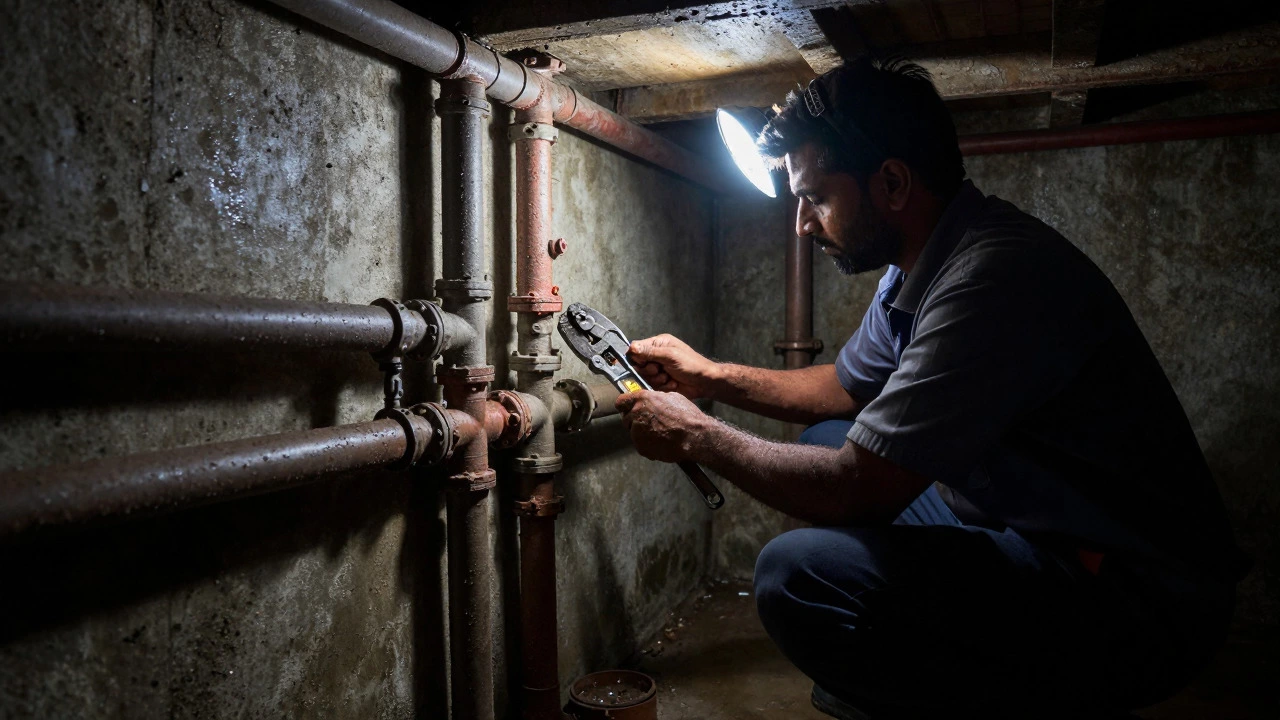
This isn’t a desk job. Plumbers lift heavy materials, crawl into tight spaces, and stand for long periods. You’ll often work in basements, attics, or under sinks-places that aren’t exactly comfortable. Weather matters too: outdoor work continues in rain, snow, or heat.
But there’s flexibility. Many plumbers work standard eight-hour shifts, though overtime is common during peak seasons or emergencies. Self-employed plumbers set their own hours but must manage client expectations carefully.
Job satisfaction comes from solving problems quickly. When you fix a flood before it ruins a kitchen, you see the immediate impact of your work. That sense of purpose keeps many in the field for decades.
How to Get Started: Training and Certification
Becoming a plumber requires formal training. Most start as apprentices, combining classroom instruction with on-the-job experience. Apprenticeships typically last four to five years and cover topics like pipe fitting, blueprint reading, and safety standards.
A plumber training course provides foundational knowledge before you enter an apprenticeship. These courses teach math, physics, and local plumbing codes. They’re offered by vocational schools, community colleges, and trade unions.
After completing an apprenticeship, you take a licensing exam. Requirements vary by state or country, but all require proof of completed hours and passing scores. Licensed plumbers can work independently; unlicensed helpers usually assist under supervision.
Continuing education is key. Codes change, new materials emerge, and technology evolves. Staying updated ensures you remain competitive and compliant.
Salary Expectations and Growth
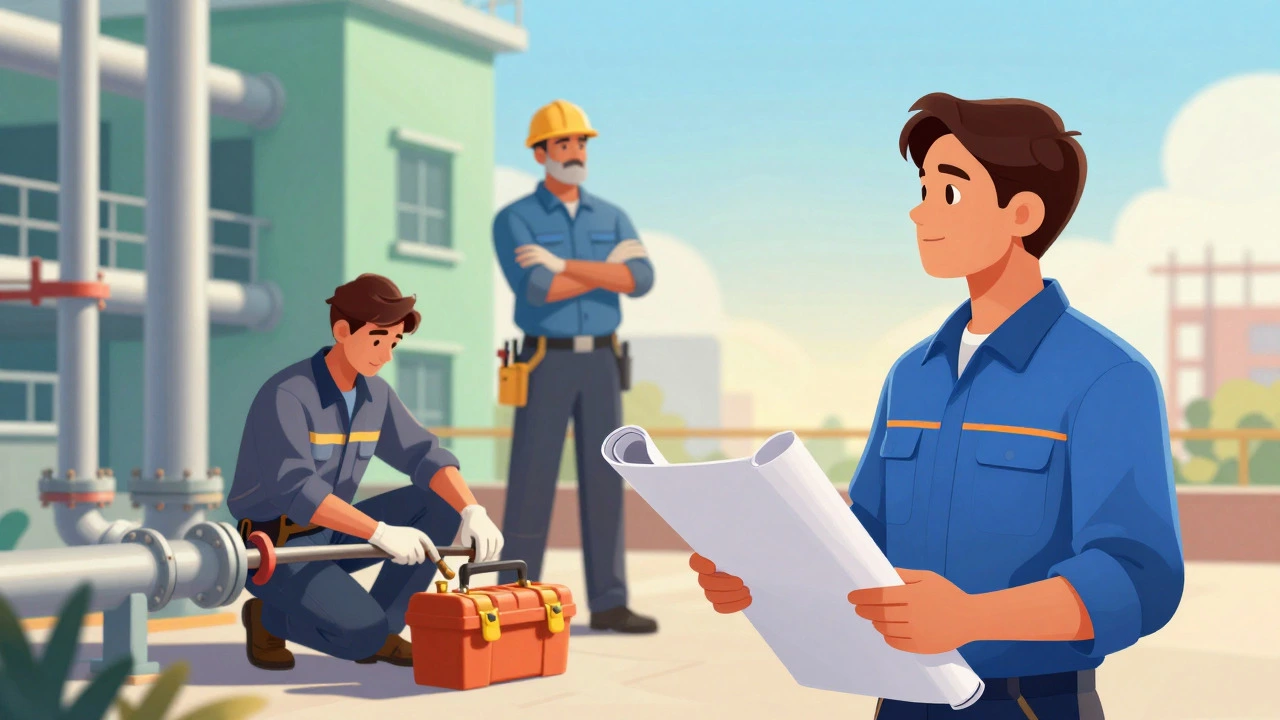
Plumbers earn solid wages compared to many other trades. As of 2026, the median annual salary in the U.S. is around $65,000, with top earners making over $100,000. Pay varies by location, specialization, and whether you’re employed or self-employed.
The job outlook is strong. Aging infrastructure and growing populations mean demand will rise. Fewer young people are entering skilled trades, creating opportunities for those willing to learn.
Specializations like green plumbing (energy-efficient systems) or medical gas installation can boost income further. These niches require additional certification but offer higher pay and less competition.
Common Misconceptions About Plumbing
Let’s clear up some myths. First, plumbing isn’t just “fixing toilets.” It involves complex systems that affect health, safety, and property value. Second, it’s not a dead-end job. Many plumbers become contractors, inspectors, or educators.
Third, you don’t need a four-year degree. Trade schools and apprenticeships provide faster, cheaper paths to stable careers. And fourth, women and minorities are increasingly joining the field-breaking old stereotypes and bringing fresh perspectives.
Is Plumbing Right for You?
Ask yourself: Do you enjoy hands-on work? Can you solve puzzles under pressure? Are you okay with physical labor and occasional messiness? If yes, plumbing could be a great fit.
It’s a career built on reliability. People call plumbers when things go wrong-and they expect quick, effective solutions. That trust is earned through skill, professionalism, and continuous learning.
Start with a reputable training program. Talk to experienced plumbers. Shadow someone for a day if possible. Real-world exposure beats theory every time.
What is the most common job for a plumber?
The most common jobs for a plumber include installing and repairing pipes, fixtures, and appliances in residential, commercial, and industrial settings. Daily tasks often involve fixing leaks, clearing clogs, and ensuring compliance with building codes.
Do plumbers need a license?
Yes, most regions require plumbers to hold a valid license. Licensing typically involves completing an apprenticeship, accumulating work hours, and passing a written exam on plumbing codes and practices.
How long does it take to become a plumber?
Becoming a licensed plumber usually takes four to five years, including apprenticeship and on-the-job training. Some may complete shorter certificate programs first, but full licensure requires extensive practical experience.
What skills are important for a plumber?
Key skills include mechanical aptitude, problem-solving, physical stamina, attention to detail, and customer service. Strong math abilities help with measurements and system design.
Can I start my own plumbing business?
Yes, many plumbers become independent contractors after gaining experience and obtaining necessary licenses. Starting your own business allows greater control over schedule and income but requires marketing and management skills.