Vocational Trade ROI & Timeline Calculator
Your Parameters
Select a trade and click Calculate to see your financial roadmap.
You want a paycheck, not a four-year degree. You are tired of sitting in lecture halls while tuition fees pile up. The question isn't just "what can I do?" but "what can I start doing *now*?" In the world of skilled labor, time is money-literally. If you are looking for the quickest trade to learn, you are chasing speed-to-income. You want to minimize classroom hours and maximize on-the-job earnings as fast as possible.
In India, the landscape for quick trades has shifted dramatically. With the National Skill Development Corporation (NSDC) pushing certification standards, you can now get qualified in weeks or months, not years. But "quick" doesn't mean "easy." It means focused. Some trades require intense physical repetition; others demand sharp technical logic. Let's break down which paths offer the fastest return on your time investment in 2026.
The Speed Kings: Trades Under Three Months
When we talk about the absolute quickest trades, we are looking at certifications that take less than 90 days. These are high-turnover skills where the barrier to entry is low, but the demand is constant. They don't require complex engineering degrees. They require hands-on practice and a valid certificate from a recognized body like NCVT (National Council for Vocational Training) or SCVT (State Council for Vocational Training).
| Trade Name | Typical Duration | Key Skill Focus | Entry Barrier |
|---|---|---|---|
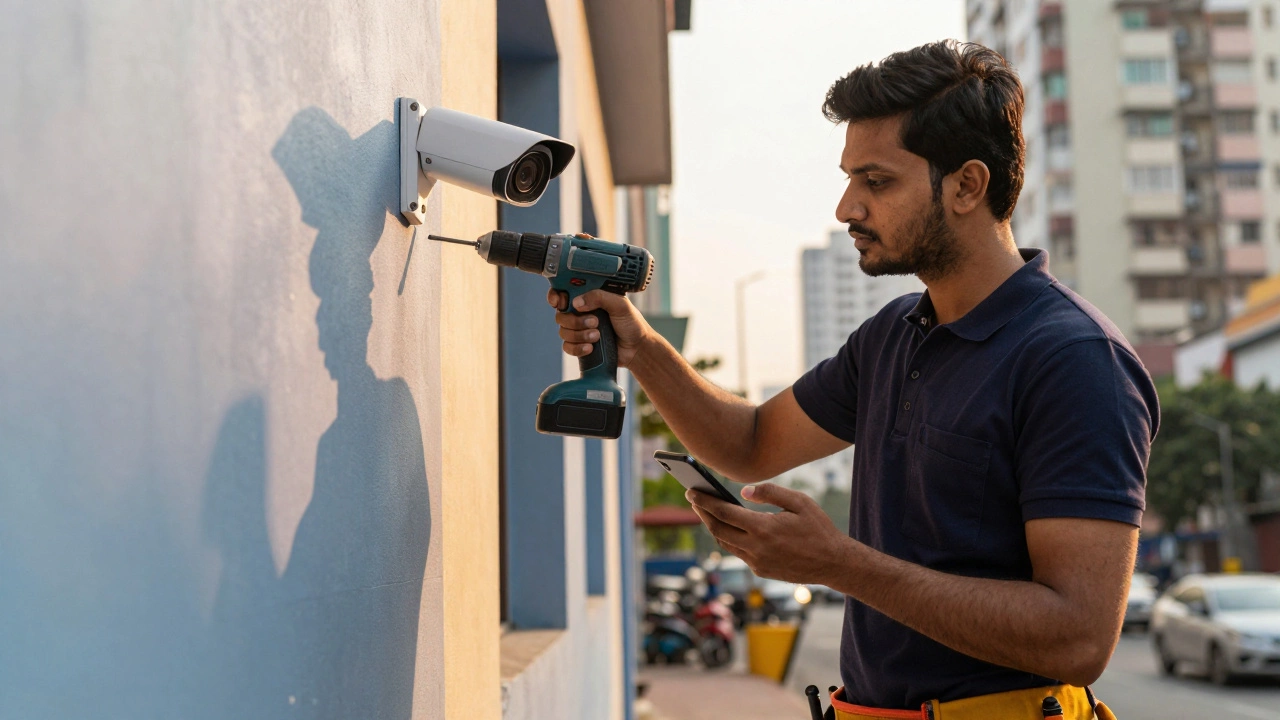
| CCTV & Security Installation | 4-8 Weeks | Wiring, camera positioning, software setup | Low |
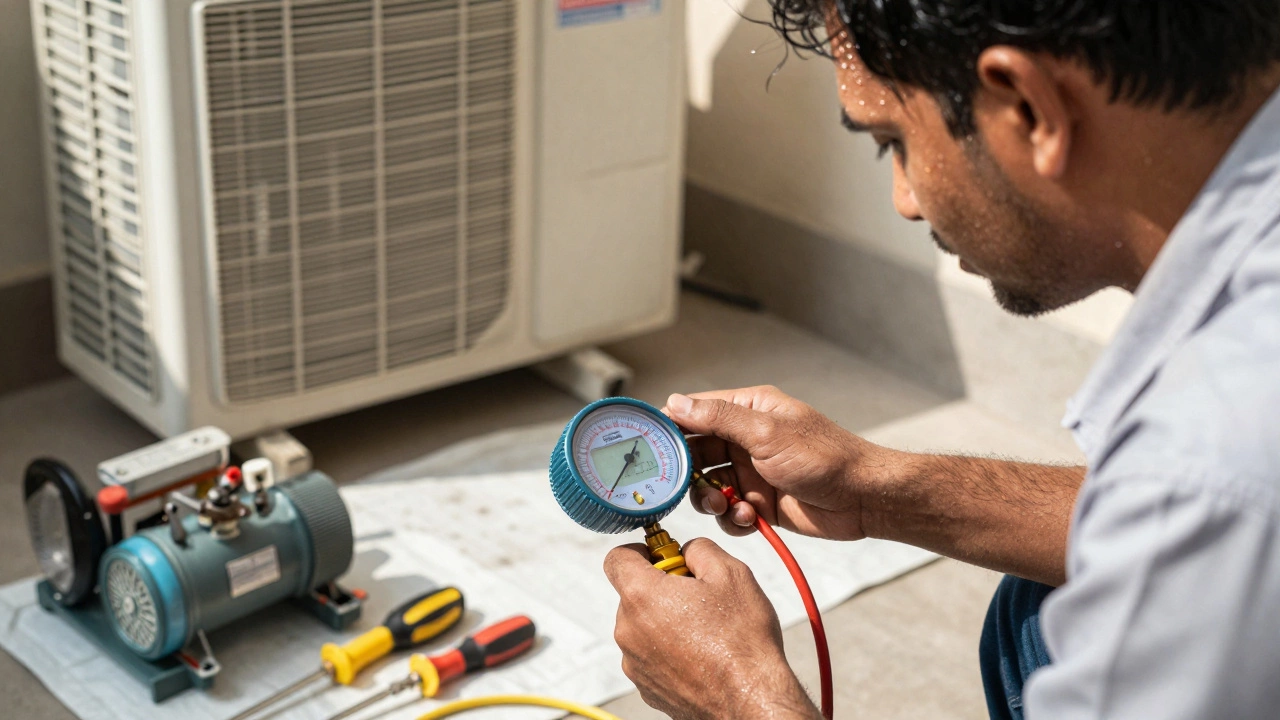
| AC Repair Technician | 6-10 Weeks | Refrigerant handling, electrical diagnostics | Medium |
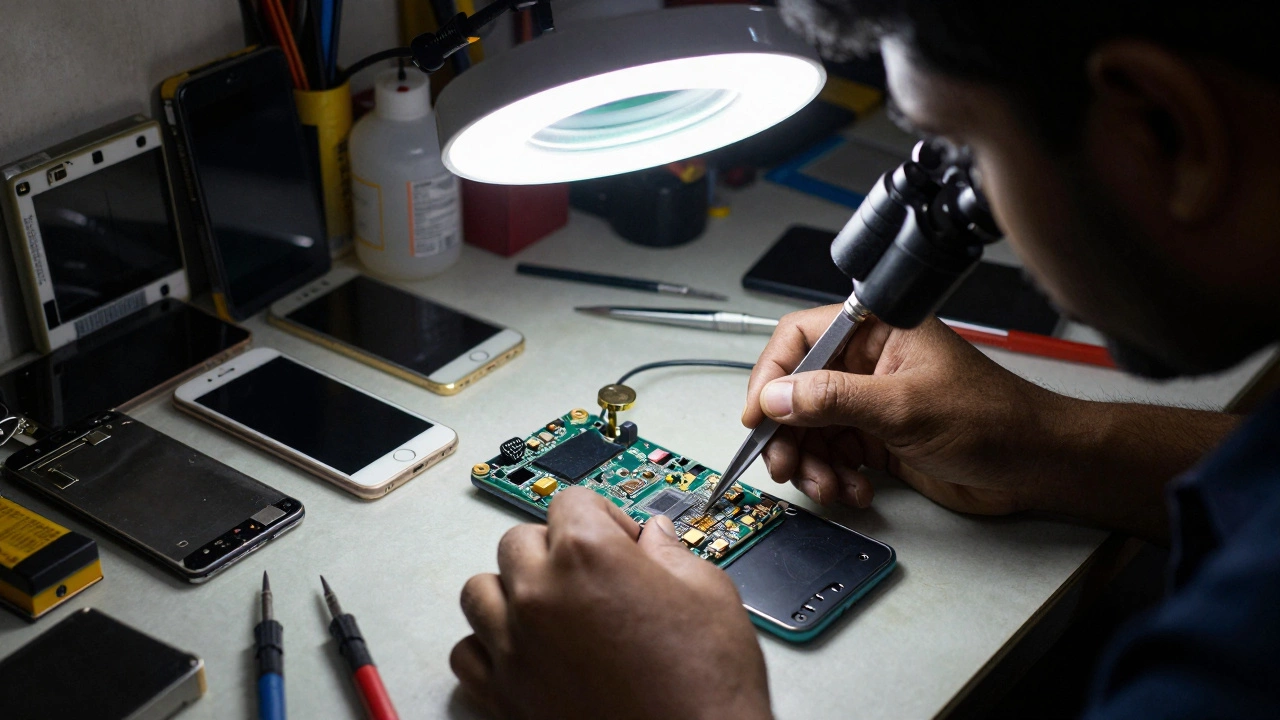
| Mobile Phone Repair | 3-6 Weeks | Soldering, screen replacement, micro-soldering | Low |
| Interior Finishing (Painting/Wallpaper) | 2-4 Weeks | Surface prep, color theory, application techniques | Very Low |
Let’s look at why these specific trades dominate the "fast track" list. They solve immediate problems for homeowners and businesses. A broken AC in Mumbai during April is an emergency. A cracked iPhone screen in Delhi is urgent. These aren't projects people plan six months in advance. They need fixes today. That urgency drives higher hourly rates for technicians who can show up with the right tools and knowledge.
Why CCTV Installation is Often the Fastest Entry Point
If you had to pick one single trade to learn in under two months, it would likely be CCTV and Security System Installation. Why? Because the technology has become standardized. Ten years ago, installing a security system required deep knowledge of analog tapes and complex server setups. Today, most systems are IP-based, plug-and-play, and managed via smartphone apps.
The learning curve is shallow. You spend the first week understanding basic networking (IP addresses, routers, Wi-Fi signals). The next two weeks are spent practicing cable pulling, mounting cameras, and configuring recording units (DVRs/NVRs). By month three, you can handle residential and small commercial installs. The equipment costs have dropped, meaning you can buy your own starter kit for under ₹15,000. This allows you to start freelancing immediately after certification.
Furthermore, the regulatory hurdles are minimal compared to electrical or plumbing work. You don’t need a license to install a camera, though having an NSDC certification boosts your credibility with corporate clients. The market is exploding because every shop, office, and apartment complex in Tier-1 and Tier-2 cities now considers security non-negotiable.
The High-Demand Alternative: Air Conditioning Servicing
While CCTV is fast, AC Repair and Maintenance offers potentially higher income ceilings if you are willing to endure the heat. India’s climate makes this a recession-proof trade. When the temperature hits 45°C, people will pay premium prices for same-day service.
A standard AC servicing course takes about 8 to 10 weeks. It covers split ACs, window units, and increasingly, central ducted systems. The core skills involve gas refilling, compressor testing, and cleaning condensers. Unlike general electrician work, which can be dangerous and heavily regulated, AC repair is specialized enough that few general handymen can do it properly. This specialization protects your income.
However, there is a catch. You need to understand refrigerants. Environmental regulations are tightening globally, and India is following suit. Knowing how to handle R32 and R410a gases safely is part of modern training. If you skip this, you risk damaging expensive units and facing liability issues. Stick to certified institutes that teach safe gas handling protocols.
Mobile Repair: The Micro-Skill Boom
Don’t underestimate Mobile Phone Repair. It might seem outdated, but the volume of devices being used in India is staggering. With over a billion smartphone users, the rate of damage is incredibly high. Drops, water exposure, and battery degradation create a constant stream of work.
This trade is unique because it can be learned in as little as three weeks for basic repairs (screen changes, battery swaps, charging port fixes). Advanced board-level repair (micro-soldering) takes longer, around 3-4 months, but commands much higher fees. The beauty here is the low overhead. You don’t need a truck or heavy machinery. You need a workbench, a microscope, a soldering station, and a supply of spare parts. You can run this business from a small shop corner or even home-based initially.
The key to success in mobile repair is speed and accuracy. Customers hate waiting. If you can replace a screen in 30 minutes while they wait, you build loyalty. Also, focus on popular brands like Xiaomi, Samsung, and Realme, which have high turnover rates in the Indian market. Avoid niche luxury phones initially unless you have specific connections, as parts sourcing can be difficult.
Trades to Avoid if Speed is Your Goal
Not all trades are created equal when it comes to time-to-earnings. Some fields promise quick results but actually require long apprenticeships to become competent and legally compliant. If your goal is speed, steer clear of these until you have more time:
- Heavy Electrical Wiring: While basic wiring is quick, becoming a licensed electrician who can handle industrial loads requires extensive safety training and often a formal ITI (Industrial Training Institute) diploma that lasts 1-2 years.
- Plumbing: Basic leak fixes are easy, but full plumbing involves understanding pressure systems, sewage codes, and pipe fitting materials. Mistakes here cause massive property damage. Trust builds slowly in plumbing.
- Automotive Mechanics: Modern cars are computers on wheels. Diagnosing engine issues requires expensive diagnostic tools and deep theoretical knowledge. A quick course won’t make you proficient; you’ll spend months guessing rather than fixing.
These trades are valuable, but they are marathons, not sprints. Choose them if you are planning a long-term career path, not if you need income next month.
How to Validate Your Skills Quickly
In 2026, a piece of paper matters less than a portfolio, but it still opens doors. To move fast, you need credentials that employers and clients recognize instantly. Look for courses accredited by the National Skill Development Corporation (NSDC). These certificates are standardized across India, meaning a certificate from a partner institute in Bangalore is respected in Chandigarh.
Additionally, consider digital badges. Many modern vocational platforms issue verifiable online credentials. Share these on LinkedIn and local community groups. For trades like mobile repair or CCTV installation, video proof is powerful. Record yourself fixing a device or setting up a system. Post it on Instagram or YouTube Shorts. This serves as both marketing and proof of competence. Clients want to see your hands working, not just read your resume.
Financial Reality Check: Costs vs. Earnings
Before you enroll, run the numbers. Quick trades usually have low upfront costs, but you must budget for tools. Here is a rough breakdown for starting out in India:
- CCTV Installer: Course fee ₹5,000-₹10,000. Tool kit (drills, ladders, testers) ₹15,000-₹25,000. Total startup: ~₹30,000.
- AC Technician: Course fee ₹8,000-₹15,000. Tool kit (vacuum pumps, gauges, screwdrivers) ₹20,000-₹40,000. Total startup: ~₹50,000.
- Mobile Repairer: Course fee ₹3,000-₹8,000. Tool kit (soldering iron, microscope, pry tools) ₹10,000-₹20,000. Total startup: ~₹25,000.
Compare this to potential earnings. An entry-level technician in these fields can earn ₹15,000-₹25,000 per month within the first three months of independent work. Freelancers often charge ₹500-₹1,500 per service call. If you complete five calls a day, five days a week, that’s ₹12,500-₹37,500 weekly. The ROI is visible within weeks, not years.
Your Next Steps: Choosing the Right Path
So, what is the quickest trade to learn? If you want the absolute fastest route with the lowest physical strain, go for CCTV Installation. If you can handle heat and want recurring maintenance contracts, choose AC Repair. If you prefer detailed, desk-bound work with high volume, pick Mobile Repair.
Don’t overthink it. The biggest mistake people make is analyzing options for months while their skills remain stagnant. Pick one, find a reputable NSDC-affiliated institute, and commit to the timeline. Start building your tool kit before you even graduate. Network with local hardware stores-they often refer customers to technicians. In the trade world, reputation travels faster than any degree. Get your hands dirty, deliver quality work, and the income will follow.
Can I learn a trade online?
You can learn the theory online, but you cannot master a trade without hands-on practice. Look for hybrid courses where you watch videos at home but attend workshops for practical sessions. Purely online certifications hold little value in the skilled labor market.
Do I need prior experience to start a quick trade course?
No. Most short-term vocational courses are designed for beginners. They assume no prior knowledge. However, having basic computer literacy helps, especially for trades involving digital diagnostics like CCTV or mobile repair.
Is it better to join an institute or apprentice under a master?
For speed, institutes are better. Apprenticeships can last 1-2 years and often involve unpaid labor. Institutes provide structured curricula, recognized certificates, and peer networks in a condensed timeframe (weeks/months).
Which trade has the highest earning potential in the long run?
While quick trades offer fast entry, specialized fields like HVAC (Heating, Ventilation, and Air Conditioning) design or advanced electronics repair offer higher long-term ceilings. You can start with basic AC repair and upsell into commercial HVAC systems later.
Are there government subsidies for these courses in India?
Yes. Many NSDC-affiliated centers offer free or subsidized training under schemes like PMKVY (Pradhan Mantri Kaushal Vikas Yojana). Check your local District Skill Development Centre for current enrollment drives.