Plumber Skills Assessment Quiz
Test Your Plumbing Knowledge
Assess your readiness for a plumbing career based on key skills from the article
How well do you know plumbing?
This quiz will help you assess your understanding of essential plumbing skills, problem-solving abilities, and professional qualities discussed in the article. Answer all 5 questions to discover if you have what it takes to be a successful plumber.
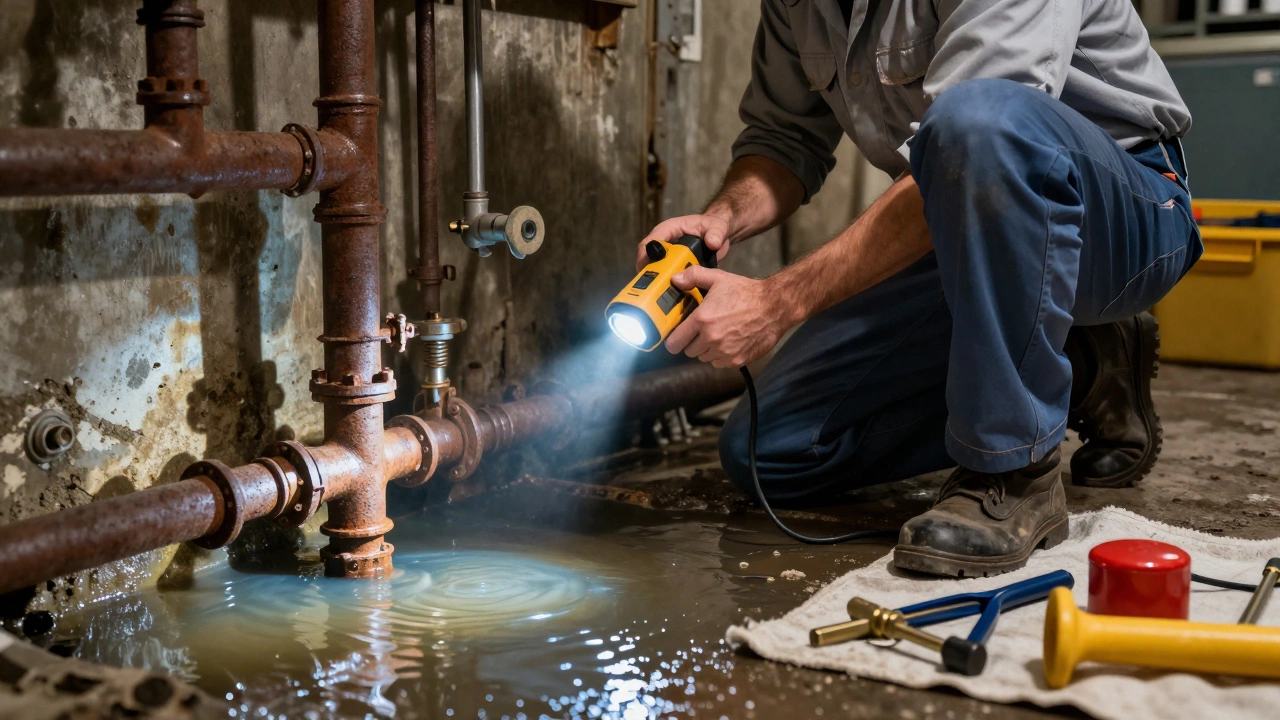
Being a plumber isn’t just about tightening pipes or unclogging drains. It’s about showing up when someone’s basement is flooding at 2 a.m., figuring out why a water heater won’t heat, or installing a whole new system in a 1950s house with outdated wiring and rusted joints. The best plumbers aren’t just skilled with tools-they’re problem solvers, communicators, and reliable professionals who earn trust every day.
Technical Skills Are the Foundation
You can’t fix what you don’t understand. A successful plumber knows how to read blueprints, calculate pipe slopes, and match materials to water pressure and temperature requirements. They know the difference between PVC, copper, PEX, and cast iron-and when each one is appropriate. They understand local plumbing codes, like New Zealand’s Building Code Clause G12, which governs drainage, venting, and backflow prevention.
It’s not enough to have taken a course. Real mastery comes from doing. A plumber who’s installed 50+ hot water systems in different homes learns things no textbook teaches: how a poorly vented drain causes gurgling in the kitchen sink, or why a 15mm pipe might be too small for a modern shower with a high-flow head. They learn to spot hidden leaks behind walls by listening for the hiss of escaping water. They know how to isolate zones without shutting off the whole house.
Problem-Solving Under Pressure
Plumbing emergencies don’t wait for business hours. A flooded bathroom at midnight, a broken pipe during a cold snap, or a boiler failure in winter-these are the moments that separate good plumbers from great ones.
Successful plumbers don’t panic. They assess: Is this a leak? A blockage? A pressure issue? A faulty valve? They think ahead: Will replacing just the washer fix this, or is the whole faucet assembly worn out? They carry diagnostic tools-pressure testers, drain snakes, thermal cameras-not just wrenches and pliers.
One plumber in Christchurch told me about a job where the client said, “The water’s cold.” After checking the boiler, the thermostat, and the pipes, he found the issue wasn’t equipment failure-it was a cross-connection between hot and cold lines in the attic, caused by a DIY job from years ago. He fixed it, saved the client thousands in unnecessary replacements, and earned a referral that brought in three more jobs.
Communication and Customer Trust
Most people don’t know how plumbing works. They see a leak and assume it’s a $2,000 disaster. A successful plumber doesn’t just fix it-they explain it.
They use simple language: “The washer’s worn out. It’s a $40 part. I’ll have you back up in 20 minutes.” They don’t overwhelm with jargon. They show photos of damaged parts. They give clear options: “You can replace just the valve, or upgrade the whole unit for better efficiency.”
Trust matters. People don’t hire plumbers based on price alone. They hire the one who shows up on time, cleans up after themselves, and doesn’t upsell unnecessary repairs. A plumber who takes five extra minutes to explain what went wrong and how to prevent it next time becomes the go-to person in the neighborhood.
Reliability and Professionalism
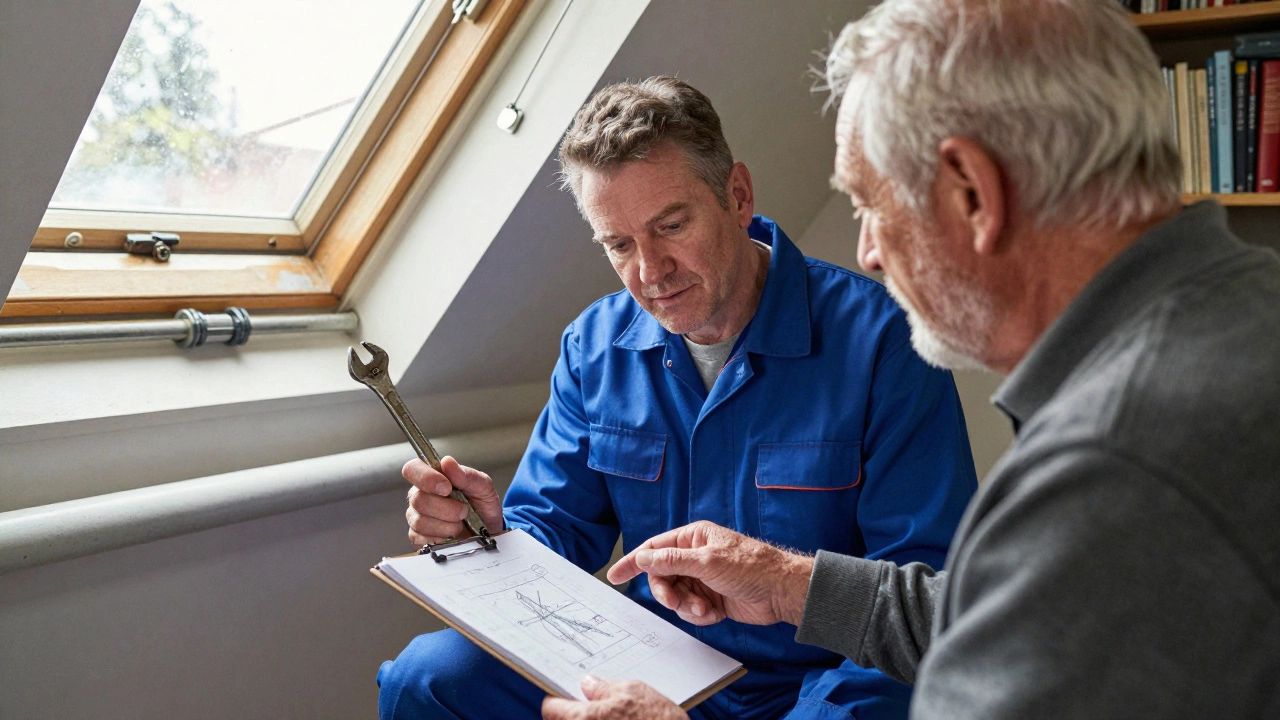
Being a plumber means being someone’s last resort. When your toilet backs up, you’re stressed. You don’t want a guy who’s late, unshaven, and doesn’t wear boots. You want someone who looks like they know what they’re doing.
Successful plumbers show up on time. They wear clean uniforms. They carry a tool bag that’s organized-not a jumbled mess. They ask permission before moving furniture. They protect floors with drop cloths. They leave the job site cleaner than they found it.
In Auckland, where many homes are older and renovations are common, professionalism makes a huge difference. A plumber who respects the home and the homeowner gets repeat business and referrals. One survey from the Master Plumbers Association found that 78% of customers chose the same plumber again because of how they behaved-not because they were the cheapest.
Continuous Learning and Adaptation
Plumbing technology doesn’t stand still. Smart water meters, tankless heaters, greywater systems, and water-saving fixtures are now standard. New Zealand’s Building Code updates every few years. Gas regulations change. Materials evolve.
A successful plumber doesn’t stop learning after their certificate. They take refresher courses. They read industry bulletins. They attend workshops on new compliance standards. They learn how to install solar-assisted water heating systems, which are now common in new builds.
One plumber in Wellington started taking online courses on energy-efficient plumbing after noticing more clients asking about lower bills. Within a year, he was offering full system audits and became the go-to expert in his region for eco-friendly upgrades.
Physical and Mental Stamina
Plumbing is hard work. You’re on your knees for hours. You crawl under houses in damp, dark spaces. You lift heavy tanks. You work in freezing attics or scorching roof cavities. You carry gear that weighs more than your own body.
But it’s not just physical. It’s mental. You need patience. You need focus. You can’t rush a joint. One misaligned thread, one over-tightened nut, and you’ve got a leak that won’t show up for weeks.
Successful plumbers take care of their bodies. They stretch. They use proper lifting techniques. They stay hydrated. They know when to call it a day. They don’t push through pain-because one bad back can end a career.
Why Training Matters More Than Ever
There’s a shortage of skilled plumbers in New Zealand. Demand is up. Housing construction is booming. Older plumbers are retiring. But not everyone who picks up a wrench is ready.
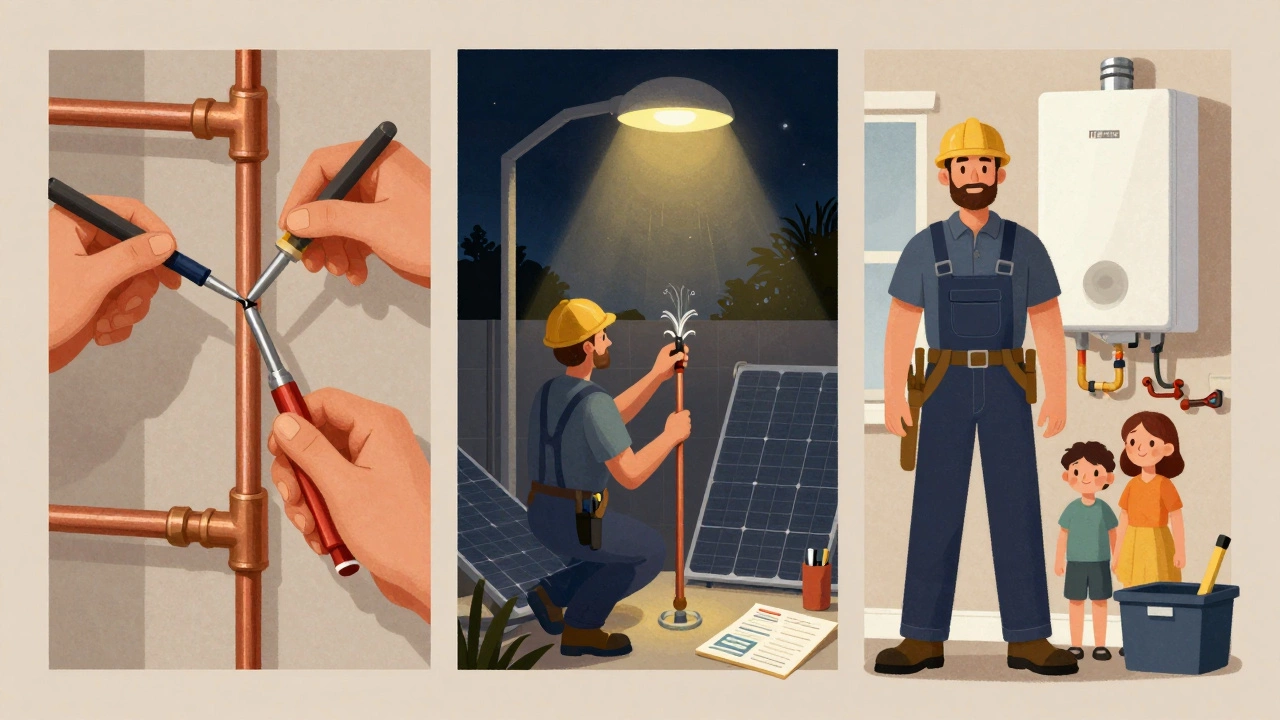
A good plumber training course doesn’t just teach you how to solder copper. It teaches you how to think like a plumber. It gives you hands-on practice with real materials, under real conditions. It shows you how to read codes, calculate loads, and communicate with clients. It builds confidence.
Look for courses that include:
- On-site apprenticeships with licensed plumbers
- Access to real plumbing systems, not just classroom models
- Training in current NZ Building Code standards
- Modules on customer service and safety
- Pathways to certification (like the NZQA Level 3 Plumbing Certificate)
Don’t choose the cheapest course. Choose the one that gives you real experience. The best plumbers I know didn’t just pass a test-they spent months under the guidance of someone who’d been doing it for 20 years.
It’s a Trade, Not Just a Job
A successful plumber doesn’t see their work as just fixing pipes. They see it as keeping homes safe, healthy, and functional. They take pride in knowing their work lets people shower, wash dishes, and drink clean water.
It’s a trade that pays well, offers stability, and gives you control over your schedule. Many plumbers own their own businesses. Some work for themselves by 30. Others train apprentices and build teams.
If you’re willing to learn, show up, and care about doing things right, plumbing isn’t just a career-it’s a calling. And the world will always need people who can make the water flow.
Do I need a license to be a plumber in New Zealand?
Yes. To work as a plumber in New Zealand, you must be licensed by the Plumbers, Gasfitters, and Drainlayers Board. This requires completing a recognized training program, passing practical and theory exams, and meeting character and competency standards. You can’t legally carry out plumbing work without a license.
How long does plumber training take?
Most full-time plumbing apprenticeships in New Zealand take three to four years. This includes classroom learning and on-the-job training under a licensed plumber. Some accelerated courses can get you to certification in 12 to 18 months if you already have related experience, like in construction or HVAC. But real mastery takes years of hands-on work.
Can I become a plumber without a degree?
Absolutely. Plumbing is a trade profession, not an academic one. You don’t need a university degree. What you need is practical training, certification, and a license. Many successful plumbers started straight out of school. The focus is on skills, not diplomas.
Is plumbing a good career for someone starting later in life?
Yes. Many people switch to plumbing in their 30s or 40s. The trade welcomes mature learners because they bring reliability, work ethic, and life experience. Training programs are designed for adults, and many offer flexible schedules. The demand is high, and wages start strong-even for newcomers.
What’s the average salary for a plumber in New Zealand?
Entry-level plumbers earn between $50,000 and $65,000 per year. Qualified plumbers with a license make $70,000-$90,000. Experienced plumbers who run their own businesses or work in high-demand areas like Auckland or Wellington can earn $100,000 or more. Overtime and emergency call-outs add significantly to income.
Next Steps: How to Start
If you’re serious about becoming a plumber:
- Find a NZQA-approved plumbing training provider with apprenticeship links.
- Apply for an apprenticeship with a licensed plumbing business.
- Study for and pass the Plumbers, Gasfitters, and Drainlayers Board exams.
- Get your license and start building your reputation.
- Keep learning-take advanced courses in gas fitting, water efficiency, or commercial systems.
There’s no shortcut to becoming a great plumber. But there’s a clear path. And every pipe you fix, every leak you stop, every grateful homeowner you help-that’s how you build something that lasts.