Want to become a fashion designer but not sure where to start? You don’t just need to sketch dresses or pick fabrics-you need a solid foundation in the right subjects. A fashion designing course isn’t just about creativity. It’s a mix of art, science, business, and hands-on technique. If you’re thinking about enrolling, here’s exactly what you’ll study and why each part matters.
Textile Science and Fabric Knowledge
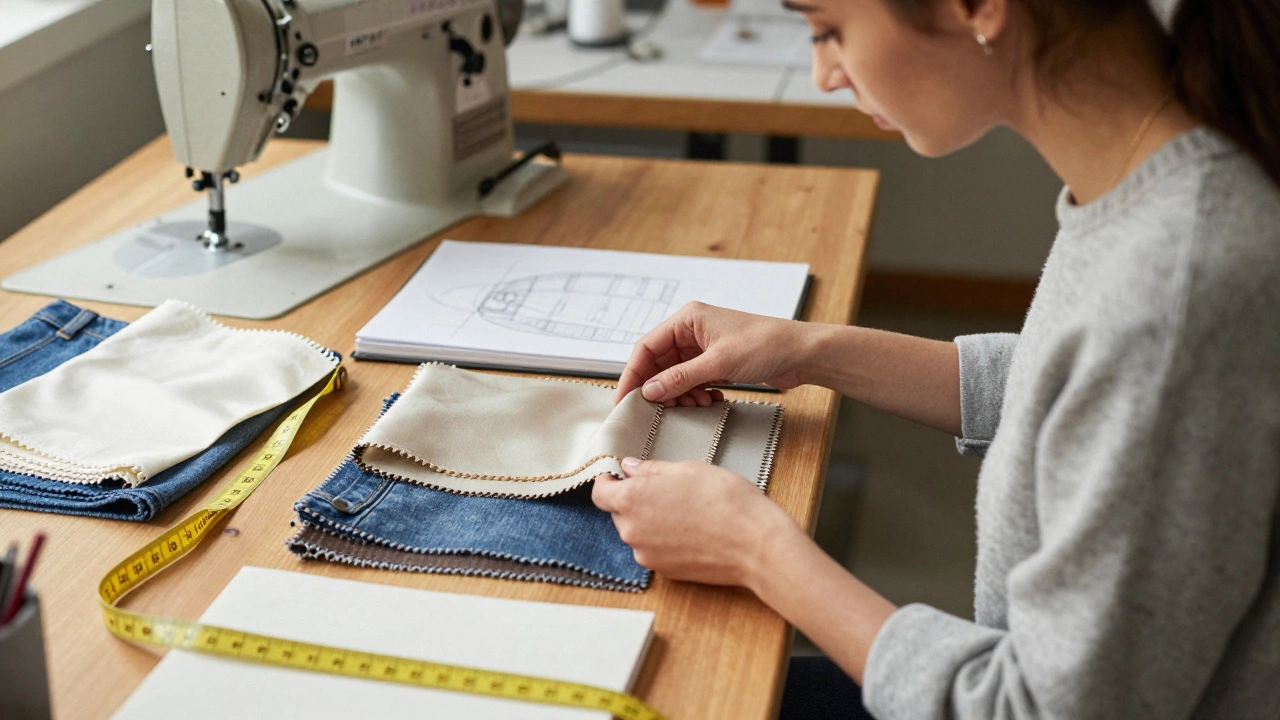
You can’t design clothes without understanding what they’re made of. Textile science teaches you how fibers become yarn, how yarn becomes fabric, and how different materials behave. Cotton, silk, polyester, denim, lace-each has unique properties. You’ll learn which fabrics stretch, which shrink in the wash, which hold shape, and which drape well. This isn’t just theory. You’ll handle swatches, test durability, and learn how to choose the right material for each design. A dress made for a runway show needs different fabric than one meant for daily wear. If you skip this, you’ll end up with designs that look great on paper but fall apart in real life.
Pattern Making and Garment Construction
This is where your sketches turn into actual clothes. Pattern making is the blueprint stage. You’ll learn how to take body measurements, draft flat patterns, and adjust them for fit. You’ll work with slopers (basic templates) for bodices, skirts, and sleeves. Then comes construction: sewing seams, setting zippers, attaching collars, finishing hems. You’ll use industrial machines, not just home sewing machines. Many beginners think fashion design is all about drawing. But if you can’t build a garment that fits, your designs stay on paper. Schools that skip hands-on construction training aren’t preparing you for real work.
Fashion Illustration and Design Development
Yes, you’ll draw. But not just any drawing. Fashion illustration is about communicating ideas clearly and professionally. You’ll learn figure proportions (usually 9-heads tall), pose styles, and how to show fabric movement. You won’t just sketch one look-you’ll develop collections. That means creating mood boards, color palettes, fabric swatches, and tech packs. Tech packs are the detailed instructions you give to manufacturers: stitch types, measurements, thread colors, hardware specs. Without this skill, even the most creative idea won’t get made. Top designers don’t just draw pretty pictures-they build systems that others can follow.
History of Fashion and Cultural Context
Designing isn’t done in a vacuum. You’ll study how fashion changed over time-from Victorian corsets to 1990s grunge. You’ll learn how politics, technology, and social movements shaped what people wore. Why did women start wearing pants? How did World War II influence fabric rationing? Why did streetwear become high fashion? Understanding these shifts helps you create designs that feel fresh, not recycled. It also helps you avoid cultural appropriation. You can’t borrow a traditional African print without knowing its meaning. This subject turns fashion from decoration into storytelling.
Computer-Aided Design (CAD) for Fashion
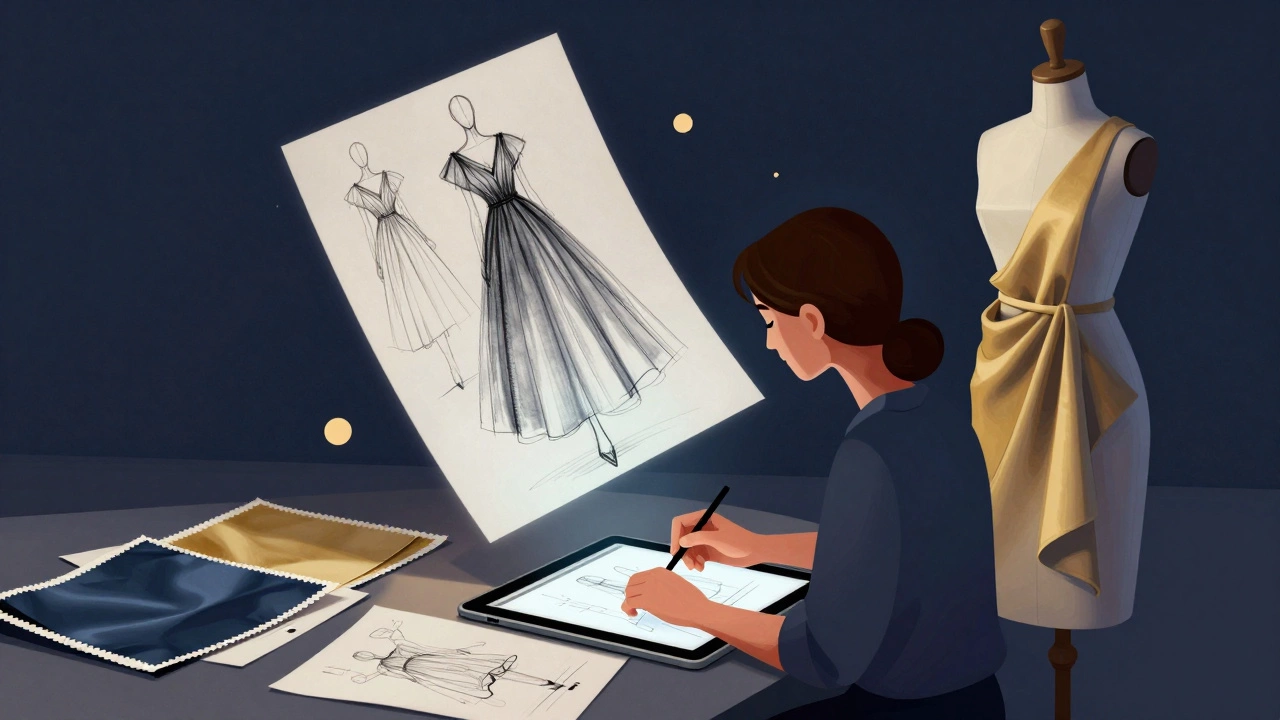
Most fashion houses don’t hand-draw anymore. They use software like Adobe Illustrator, Clo3D, and Optitex. You’ll learn how to digitize your sketches, create technical flats, and simulate how fabric drapes on a 3D model. This saves time and money before cutting fabric. It also helps you show clients and manufacturers exactly what you mean. Even if you plan to work independently, knowing CAD makes you more professional. Clients expect digital files. If you only know hand-drawing, you’ll be left behind.
Costing, Production, and Supply Chain Basics
Designing is only half the job. You also need to know how much it costs to make your clothes. You’ll learn how to calculate fabric usage, labor time, trims, packaging, shipping, and overhead. You’ll see how buying fabric in bulk lowers cost, and why sourcing from certain countries affects quality and ethics. You’ll understand minimum order quantities, lead times, and how factories work. Many designers fail not because their designs are bad-but because they can’t produce them profitably. If you want to launch your own label, this isn’t optional. It’s survival.
Merchandising and Retail Strategy
Who buys your clothes? Where? And why? Merchandising teaches you how to plan collections for specific markets. You’ll learn about seasonality, pricing tiers, color trends, and store layouts. A boutique in Paris sells differently than a mall chain in Mumbai. You’ll study consumer behavior, inventory turnover, and how to avoid overstock. Even if you plan to sell online, you need to know how to present products so people click, buy, and come back. This subject connects your designs to real sales.
Professional Practices and Portfolio Building
By your final year, you’ll be building your portfolio-not just a scrapbook, but a professional tool. You’ll learn how to photograph your work, write designer statements, and present your collection to buyers. You’ll practice pitching to investors, writing press releases, and handling interviews. You’ll also learn about intellectual property: how to protect your designs from being copied. Many talented designers never get noticed because they don’t know how to sell themselves. Your portfolio is your resume. Make it count.
What You Won’t Learn (But Should)
Most courses focus on the creative side. But real-world fashion needs more. You’ll rarely get taught basic accounting, tax filing, or how to manage freelance contracts. You won’t always learn about sustainable sourcing or ethical labor practices-even though they’re now industry standards. Some schools skip digital marketing entirely. If you want to build a brand, you need to know how to run Instagram ads, write email campaigns, or use SEO for your online store. Look for programs that include these topics-or take them on your own.
How to Choose the Right Course
Not all fashion schools are equal. Some focus on haute couture. Others train for mass-market retail. Ask these questions before enrolling:
- Do they teach pattern making and construction in person, or just digitally?
- Do students get access to industrial sewing machines and fabric libraries?
- Is there a final collection show? Who attends? (Buyers, media, brands?)
- Do they have industry partnerships or internship placements?
- What software do they teach? (Adobe Illustrator? Clo3D?)
- Are there courses in business, costing, or marketing?
If the answer to most of these is ‘no,’ keep looking. A good program doesn’t just teach you to draw-it prepares you to run a business.
Real-World Example: What a Graduate Actually Does
Meet Priya. She graduated from a fashion design program in Delhi. Her first job? Working for a mid-sized brand that exports to Europe. Her day? She starts by reviewing fabric samples from Bangladesh. Then she adjusts a pattern for a new dress line based on customer feedback. She uses Illustrator to update tech packs. After lunch, she meets the production manager to check costs. Later, she helps plan the next season’s color palette based on trend reports. She doesn’t just design. She solves problems-from fabric delays to sizing complaints. That’s what a real fashion designer does. It’s not glamorous all the time. But it’s real. And it’s rewarding.
Do I need to be good at drawing to study fashion design?
You don’t need to be a master artist, but you do need to communicate your ideas visually. Most programs teach basic illustration skills. If you can sketch a rough idea and use digital tools like Adobe Illustrator, that’s enough to start. Many successful designers aren’t the best drawers-they’re the best problem solvers.
Can I study fashion design without a degree?
Yes, but it’s harder. Many designers start with certificates or short courses. But employers and buyers often look for formal training. A structured course gives you access to equipment, mentors, and industry connections. If you’re self-taught, you’ll need to build a stronger portfolio and network to compete.
How long does a fashion designing course take?
Diploma programs usually take 1 to 2 years. Bachelor’s degrees take 3 to 4 years. Short-term certificate courses can be as short as 3 to 6 months, but they cover only basics. For full industry readiness, aim for at least a 2-year program with hands-on training.
What’s the difference between fashion design and fashion merchandising?
Fashion design focuses on creating clothes-drawing, pattern making, sewing. Fashion merchandising is about selling them-pricing, inventory, marketing, retail strategy. Some programs combine both. If you love making things, choose design. If you prefer understanding customers and sales, go for merchandising.
Is fashion design a good career choice in 2026?
Yes-if you’re willing to learn beyond the sketchpad. The industry is shifting toward sustainability, digital tools, and direct-to-consumer sales. Designers who understand tech, ethics, and business have more opportunities than ever. But it’s not easy. You’ll need resilience, adaptability, and a strong work ethic. Passion alone won’t pay the rent.
Next Steps: What to Do Right Now
If you’re serious about this path, start today. Buy a sketchbook and draw every day-even if it’s just a neckline or a sleeve. Visit local boutiques and study how clothes are constructed. Watch YouTube tutorials on pattern making. Try making a simple skirt from an old shirt. Get your hands dirty. The best designers aren’t born-they’re built through practice. You don’t need to wait for admission to a school to begin. Start now, and when you do enroll, you’ll already be ahead of the curve.