
The technology landscape in India is shifting faster than ever before. If you are standing at a crossroads deciding where to invest your time and money, you need clarity on what employers are actually paying for. In 2026, the generic "software development" degree holds less weight than specialized skill sets that solve immediate business problems. Companies are no longer just filling roles; they are looking for experts who can handle complex infrastructure and artificial intelligence tools.
When we look at the hiring data from major Indian tech hubs like Bangalore, Hyderabad, and Pune, specific patterns emerge. The days of simply learning basic programming are gone. To secure a high-paying role, you need to understand how modern systems interact. This guide breaks down the specific Software Courses that drive recruitment right now. We will cut through the marketing fluff and focus on certifications that directly impact your salary and job prospects.
Quick Summary
- Artificial Intelligence & Machine Learning remain the highest growth sectors, requiring Python and TensorFlow expertise.
- Cloud Computing certification is practically mandatory for infrastructure roles, with AWS and Azure leading the market.
- Cybersecurity sees consistent demand due to rising digital threats and regulatory requirements.
- Full Stack Development continues to offer stability, focusing on the MERN stack and Java Spring.
- Data Engineering offers high ROI compared to general data analysis roles.
The Shift from General Coding to Specialized Skills
In previous years, any candidate with a computer science degree could find work. That dynamic changed significantly around 2024. By 2026, the market distinguishes sharply between someone who can write code and someone who can build solutions. The most sought-after training programs combine theoretical knowledge with hands-on project work. For instance, a certificate stating you completed a course isn't enough. Employers check GitHub portfolios and live project deployments.
This shift means your choice of course determines your career ceiling. If you pick a legacy language without modern tooling support, you risk obsolescence within two years. Conversely, choosing a trending technology without fundamentals creates a fragile foundation. The sweet spot lies in high-growth domains where the barrier to entry is high enough to filter competition but broad enough to offer numerous openings.
1. Artificial Intelligence and Machine Learning
Artificial Intelligence is not just a buzzword anymore; it is the backbone of product innovation in India. From fintech apps handling loan approvals to healthcare diagnostics, AI models are deployed everywhere. A dedicated Machine Learning Course in 2026 focuses heavily on Generative AI capabilities. You aren't just learning algorithms; you are learning how to fine-tune Large Language Models (LLMs) for specific business needs.
Key Skills Required:
- Python: The primary language for AI libraries.
- TensorFlow and PyTorch: Frameworks for building neural networks.
- GenAI Integration: Knowing how to embed AI into applications.
Market Reality: Entry-level positions exist, but mid-senior roles command salaries ranging from ₹15 to ₹40 Lakhs per annum depending on the city. The learning curve is steep, typically requiring six months to a year of intensive study. Unlike other tracks, this field demands continuous learning as models update frequently.
2. Cloud Computing and DevOps
Every modern company runs its infrastructure in the cloud. Whether it is scaling an e-commerce site during a sale or managing secure databases, cloud proficiency is non-negotiable. Cloud Certification Programs are among the most practical investments you can make. In India, the demand for AWS Solutions Architects and Microsoft Azure Administrators remains critical.
DevOps practices merge with cloud management. Understanding containerization using Docker and orchestration with Kubernetes is essential. These skills allow companies to deploy software rapidly and reliably. Without these skills, a developer is often stuck in manual processes that slow down product delivery.
| Provider | Focus Area | Avg. Starting Salary (₹) | Learning Difficulty |
|---|---|---|---|
| AWS | Infrastructure & Storage | 8,00,000 | High |
| Azure | Enterprise Integration | 9,00,000 | Medium |
| Google Cloud | Data & Analytics | 8,50,000 | High |
These salary figures are based on metropolitan areas. Tier 2 cities might offer slightly lower starting packages, but the demand gap there is wider, making it easier to stand out. Many professionals find that obtaining an Associate level certification opens doors to interviews that were previously inaccessible.
3. Cybersecurity and Ethical Hacking
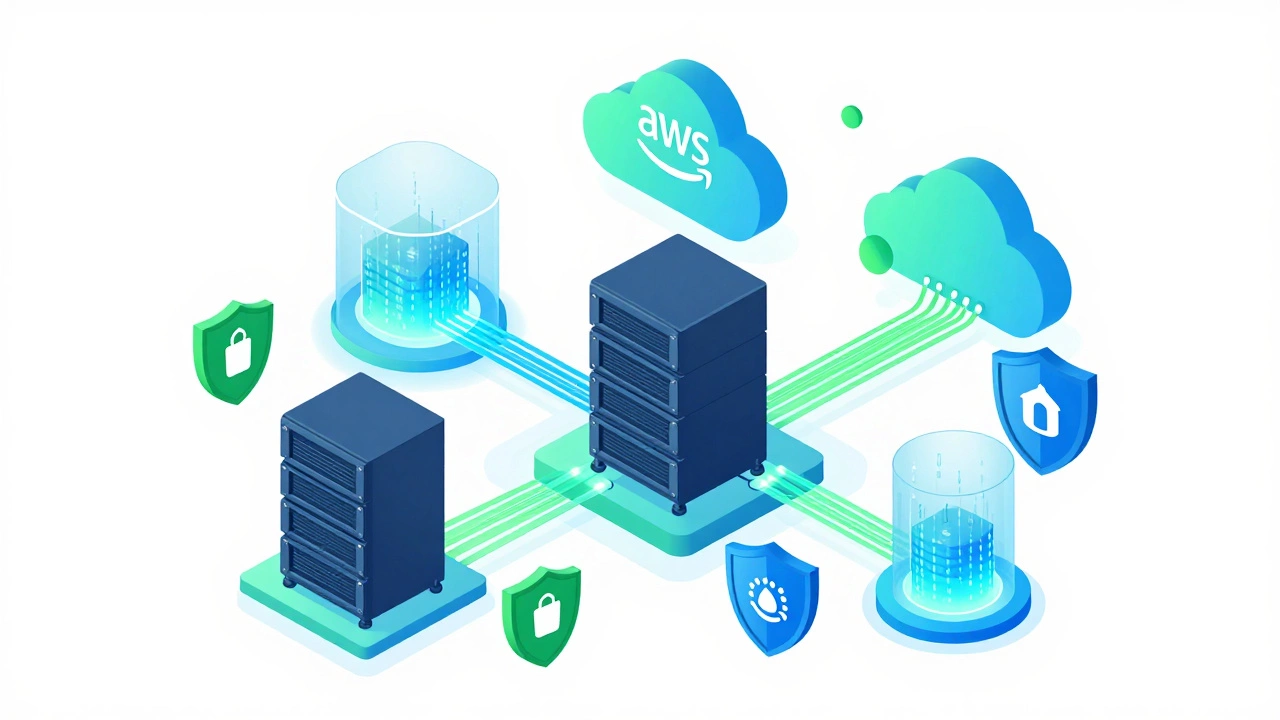
As digital transformation accelerates, so do threats. Every bank, startup, and government body requires robust security protocols. This sector is unique because experience is paramount. A Cybersecurity Training program should include hands-on simulation environments. You need to practice breaking systems ethically to understand how to protect them.
The curriculum typically covers network security, cryptography, and penetration testing. Certifications like CEH (Certified Ethical Hacker) hold significant weight in recruitment filters. With regulations tightening in India regarding data privacy, compliance officers are also looking for technical staff who understand GDPR and local DPDP Act implications.
Job stability in this field is exceptionally high. Unlike web design trends that come and go, protecting sensitive data is always priority zero. Professionals in this domain often report a lower layoff rate compared to traditional software engineering roles during economic downturns.
4. Full Stack Development
You cannot ignore the core of software creation. Full Stack Developers build both the client-side interface and the server-side logic. While frontend frameworks evolve quickly, the demand for engineers who can manage the entire application lifecycle stays constant. In 2026, the MERN stack (MongoDB, Express, React, Node.js) remains popular, but Java Spring Boot is gaining traction in enterprise sectors.
This path suits individuals who want to build products independently. Many students opt for Full Stack Development bootcamps over degrees because the learning duration is shorter, typically three to six months. However, success depends on portfolio depth. A resume with five live clone websites performs better than a list of twenty static projects.
5. Data Engineering vs. Data Analysis
Data is valuable, but raw data is useless without pipelines. Data Analysts clean and visualize data, but Data Engineers build the infrastructure that makes that data accessible. Currently, engineering roles pay higher and face less competition. Companies struggle to find people who can build reliable data pipelines using tools like Apache Spark, Kafka, and SQL databases.
If you have a strong aptitude for mathematics and system architecture, aim for Data Engineering. The courses here are math-intensive. You deal with large volumes of information moving across distributed systems. This specialization aligns well with the AI boom, as AI models require massive, organized datasets to function effectively.
Choosing the Right Learning Platform
Where you learn matters as much as what you learn. In India, online platforms offer flexibility that traditional colleges sometimes lack. Udemy, Coursera, and edX host verified certificates from universities and corporations. However, self-paced learning requires discipline. Structured offline training centers provide mentorship and placement assistance, which is crucial for freshers lacking industry connections.
Budget constraints are real. Online courses range from ₹5,000 to ₹50,000 depending on depth. Bootcamps cost between ₹80,000 and ₹2,00,000 but usually include career support services. Evaluate your financial runway. Sometimes, a cheaper course followed by self-guided project work yields better results than an expensive certificate without personal engagement.
Financial Return on Investment
Let’s talk numbers. Investing in skill acquisition is essentially buying a future income stream. Based on 2025-2026 recruitment reports:
- IT Support/Admin Roles: ₹3L - ₹5L per annum
- Junior Developer Roles: ₹4L - ₹8L per annum
- Specialized Roles (Cloud/AI): ₹8L - ₹20L+ per annum
ROI calculation should factor in the time taken to become employable. If a cloud course takes three months and leads to a salary jump of ₹6 Lakhs, the return is nearly 100x annually. Conversely, courses promising guaranteed placements with vague syllabi should be avoided. Always verify past placement records through independent reviews rather than testimonials on the provider's website.

Preparing for the Job Market
Once you complete your coursework, the next hurdle is getting hired. Recruitment in India involves rigorous technical rounds. LeetCode-style coding problems are standard for developer roles. For specialist roles like Security or Cloud, you might face scenario-based interviews where you must troubleshoot a live issue.
Networking amplifies your chances. LinkedIn optimization is vital. Update your headline with your specific stack (e.g., "AWS Certified Solutions Architect") rather than generic terms like "Student". Engage with community groups related to your chosen technology. Many hires happen through referrals where trust already exists between the employee and the recruiter.
Navigating the Landscape in Tier 2 Cities
You don't need to be in Bangalore to succeed. Remote work policies have stabilized the geographic divide. Startups in Pune, Coimbatore, and Ahmedabad are increasingly hiring remote talent. Your skill level matters more than your zip code. However, being physically present in a hub can still help with networking events and access to onsite opportunities if you prefer hybrid models.
Frequently Asked Questions
Are short-term certificate courses recognized by employers?
Yes, provided they come from reputable sources like recognized universities or certified platforms such as AWS or Google. Employers prioritize the practical skills you demonstrate over the duration of the course. A 3-month bootcamp with strong projects can outweigh a year-long degree with no practical exposure.
What is the best age to start learning software skills?
There is no expiration date for tech learning. Career switchers in their late 20s and 30s are common. Success depends more on consistency and aptitude than age. Many professionals transition into tech after gaining experience in other fields, bringing valuable domain knowledge to their technical roles.
Do I need a mathematics background for AI courses?
For entry-level implementation roles, advanced calculus is rarely needed. You need basic understanding of statistics and logic. However, if you want to research model architectures, a stronger mathematical foundation is beneficial. Focus on applied math concepts taught within the curriculum.
How much does a good full-stack course cost in India?
Self-paced online courses typically cost between ₹5,000 to ₹15,000. Instructor-led bootcamps with placement support range from ₹60,000 to ₹1,50,000. Payment plans and EMI options are widely available through educational financing partners.
Can I learn these courses remotely?
Absolutely. Most coding and cloud training happens digitally. Hands-on labs simulate servers and environments virtually. The limitation comes from peer interaction, which some physical batches offer. Look for hybrid programs if you feel you need accountability.
Final Thoughts on Your Path Forward
Your career in the software industry starts with picking the right lane. Avoid trying to learn everything at once. Pick one high-demand track-Cloud, AI, or Security-and master it deeply. Once you have secured a position, you can broaden your skill set. The market in India is competitive, but the opportunities for skilled individuals are vast.
Treat learning as a daily habit, not just a one-time purchase. Technology updates every month. Staying curious and experimenting with new tools ensures you remain relevant regardless of what shifts occur in the economy. Start today by identifying which of the skills mentioned above resonates with your interests and start building your portfolio immediately.