Vocational Career Path Finder
Your Recommended Path
Why it fits you
Future Outlook
Action Plan
You might be asking yourself: what is the single most valuable skill you can learn right now in India? There isn't just one answer. The "number one" trade shifts depending on whether you want high daily cash flow, long-term stability, or the chance to start your own business quickly. However, if we look at job openings, salary potential, and future-proofing against automation, a few trades stand head and shoulders above the rest.
For many years, people looked down on vocational training. They thought it was only for those who couldn't make it in college. That mindset is dying fast. With millions of engineering graduates struggling to find jobs, skilled technicians are becoming the new gold standard. In fact, the demand for skilled labor in India is projected to reach over 500 million by 2030. So, who holds the top spot? Let's break down the real contenders for the title of the best trade in India today.
The Heavyweight Champion: Electrician Training
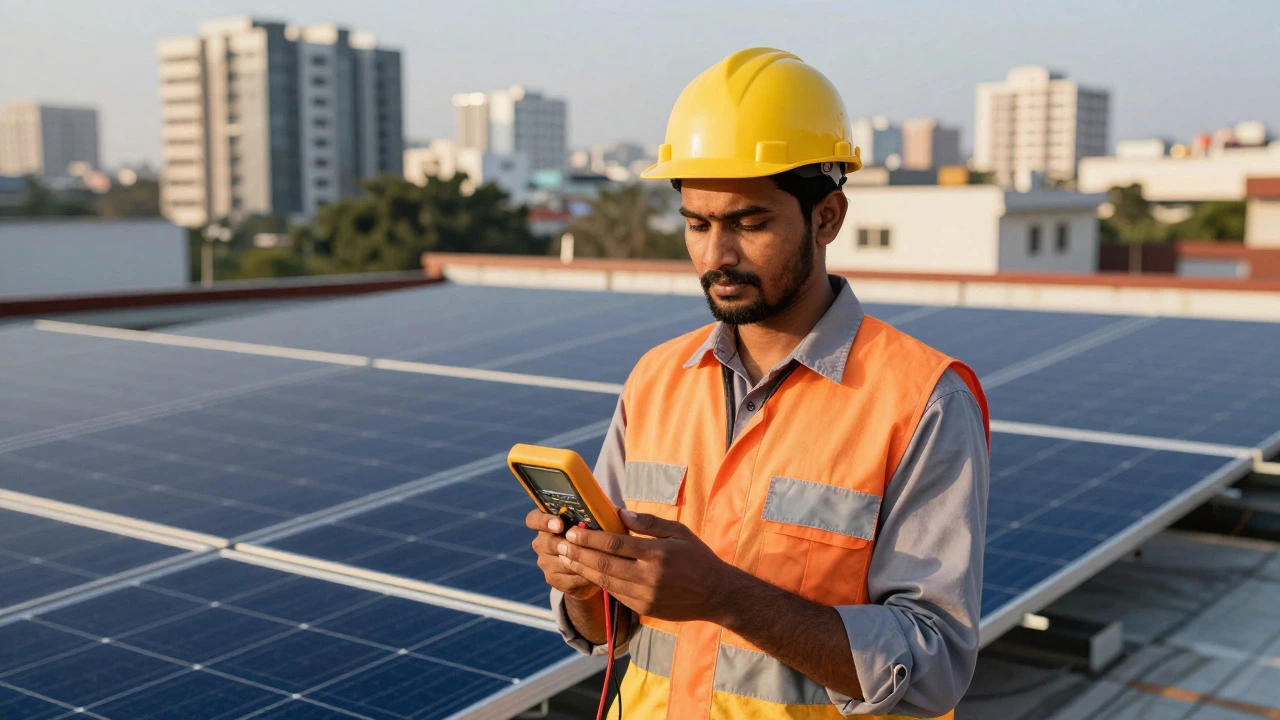
If you had to pick one trade that powers every other industry, it is electricity. An electrician is essential in homes, factories, hospitals, and construction sites. Without them, nothing runs. This makes electrician training arguably the number one trade in terms of sheer volume of opportunities.
Why does this role dominate? First, the barrier to entry is low. You can complete a basic ITI (Industrial Training Institute) course in six months to a year. Second, the pay is immediate. A fresh apprentice might earn ₹10,000 to ₹15,000 a month, but within three years, experienced electricians charge significantly more per hour. If you specialize in industrial wiring or solar panel installation, your income skyrockets.
Consider the rise of renewable energy. India is aggressively pushing for solar power. Traditional electricians are now learning to install and maintain solar grids. This adds a modern, high-paying layer to an already stable career. You aren't just fixing lights; you're powering the green revolution.
The Essential Fixer: Plumber Training
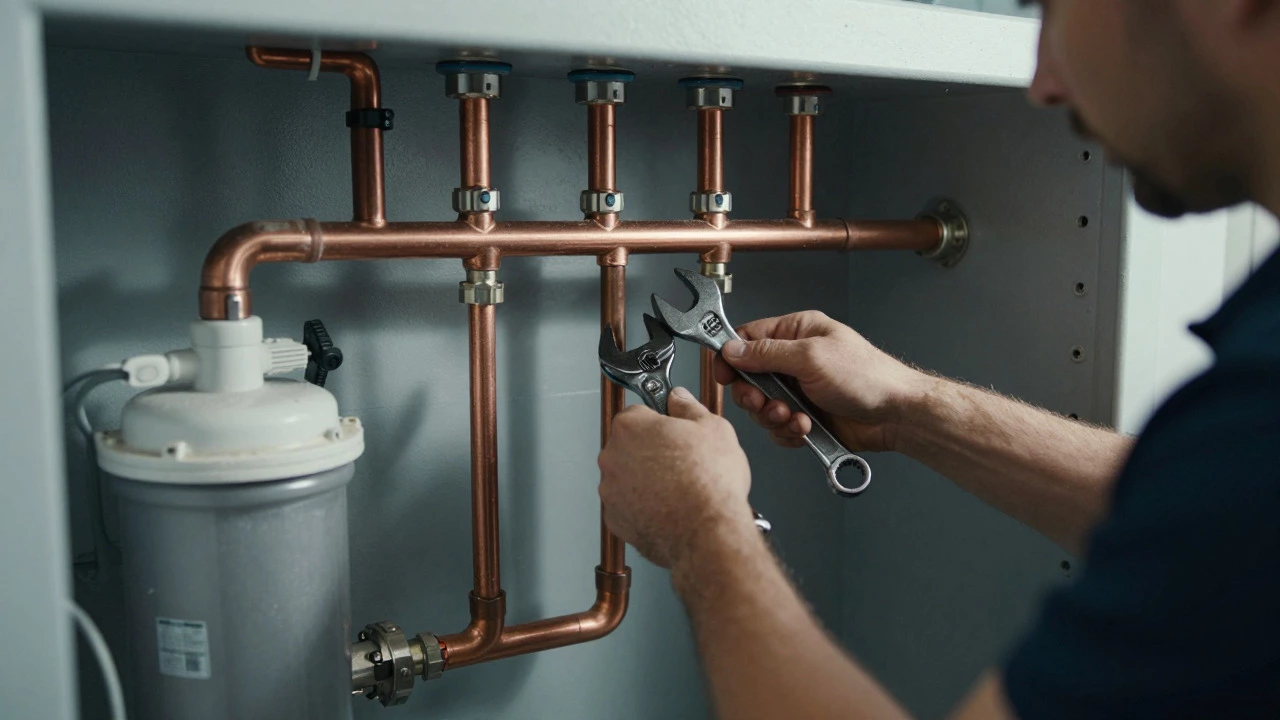
Water is life, and when pipes burst, people panic. They don't call a friend; they call a pro. This urgency creates immense value for plumbers. Plumber training is often overlooked, but it offers some of the highest hourly rates among all trades because of the emergency nature of the work.
A good plumber doesn't just unclog drains. Modern plumbing involves complex piping systems, water purification units, and sewage treatment setups in large buildings. The skills required here are technical and precise. Unlike office jobs where you might sit idle for hours, a plumber is always working, always moving, and always getting paid for tangible results.
The flexibility is also unmatched. You can work for a contracting firm, join a property management company, or run your own mobile repair service. Many successful plumbers in cities like Mumbai and Delhi have built small empires simply by being reliable and showing up on time.
The Tech-Savvy Choice: Computer Courses and Networking
Let’s not forget that "trade" doesn't always mean grease and wires. Computer courses focused on hardware repair, networking, and system administration are booming. Every business, from the local kirana store using digital POS systems to large corporations, needs someone to keep their tech running.
This field bridges the gap between blue-collar work and white-collar salaries. You get the hands-on satisfaction of fixing physical problems (like replacing a server hard drive) with the intellectual challenge of configuring networks. The demand for certified network engineers and IT support specialists is constant because technology breaks, updates, and evolves every day.
Unlike coding, which requires deep theoretical knowledge, practical IT trades focus on problem-solving. Can you fix the printer? Can you set up the Wi-Fi? Can you secure the database? If you can say yes, you are hired. This pragmatic approach makes it a top contender for those who prefer logic over manual labor.
The Security Specialist: Locksmith Training
Security is a growing concern in urban India. As smart locks and digital security systems become common, traditional locksmiths are evolving into security consultants. Locksmith training is a niche market, but niches often pay better because there is less competition.
Think about the stress of locking yourself out of your car or home at midnight. The person who solves that problem commands a premium price. Furthermore, commercial clients-banks, offices, warehouses-require regular maintenance and upgrades to their locking mechanisms. This provides steady B2B (business-to-business) revenue streams that residential work alone cannot match.
Comparing the Top Trades: Which Is Right For You?
To help you decide, let's look at how these top trades compare across key metrics. Remember, the "best" trade depends on your personal strengths and financial goals.
| Trade | Entry Time | Initial Investment | Job Stability | Growth Potential | |
|---|---|---|---|---|---|
| Electrician | 6-12 Months | Low | Very High | High (Solar/EV) | |
| Plumber | 6-12 Months | Low | Very High | Medium-High | |
| IT Technician | 3-6 Months | Medium (Laptop/Tools) | High | High (Cybersecurity) | |
| Locksmith | 3-6 Months | Medium | Medium | Medium (Smart Tech) |
How to Choose Your Path
Choosing a trade is a personal decision. Ask yourself these questions:
- Do you like working with your hands? If yes, electrician or plumber roles offer immediate physical feedback. You see the result of your work instantly.
- Are you tech-inclined? If you enjoy puzzles and computers, IT and networking courses provide a cleaner environment with high earning ceilings.
- Do you want to start a business? All these trades allow for entrepreneurship. However, electricians and plumbers often face higher initial client acquisition costs due to trust issues in the market. Building a reputation takes time.
- What is your budget? Most skill training programs in India are affordable. Government-sponsored ITIs offer subsidized fees. Private institutes may cost more but often provide better tools and placement assistance.

The Role of Certification and Apprenticeships
Getting a certificate is step one. Getting experience is step two. In India, the National Skill Development Corporation (NSDC) plays a huge role in standardizing these courses. Look for certifications recognized by NSDC or state-level boards. These credentials signal to employers that you meet national standards.
Apprenticeships are crucial. A six-month classroom course gives you theory. Six months on the job site teaches you reality. Employers value candidates who have spent time under the guidance of a master technician. It shows you can handle pressure, work safely, and follow instructions.
Future-Proofing Your Career
The world is changing. Automation will replace some jobs, but it will create others. Robots can weld cars, but they can't yet crawl into a cramped attic to fix a leaking pipe or rewire an old colonial building in Kolkata. Human dexterity and problem-solving in unpredictable environments remain irreplaceable.
To stay ahead, continuous learning is key. An electrician today should know about smart home systems. A plumber should understand water recycling technologies. An IT technician must keep up with cloud security. The "number one" trade isn't static; it belongs to those who adapt.
Conclusion: Take Action Today
There is no single "number one" trade that fits everyone. But there is a clear winner for each individual based on their interests. Whether you choose to wire the future as an electrician, keep the water flowing as a plumber, or secure the digital world as an IT specialist, the path is open. The demand is real. The money is there. The only question is: are you ready to start?
Which trade has the highest salary in India?
While salaries vary by location and experience, specialized electricians (especially in industrial sectors or solar energy) and senior IT network engineers often command the highest salaries. Plumbers and locksmiths can also earn significant amounts through private contracting and emergency services.
Is vocational training respected in India?
Respect for vocational training is growing rapidly. As the job market becomes saturated with degree holders, skilled technicians are gaining recognition for their practical expertise and economic contribution. Government initiatives like Skill India are further boosting the prestige of these careers.
How long does it take to complete a trade course?
Most foundational trade courses, such as basic electrical or plumbing diplomas, take between 6 months to 2 years. Shorter certification courses in specific areas like lock picking or computer hardware repair can be completed in 3 to 6 months.
Can I start my own business after completing a trade course?
Yes, absolutely. Many tradesmen start their own businesses within a few years of gaining experience. Starting a small repair shop or freelance service requires low capital compared to other industries, making it an accessible entrepreneurial path.
Are there government jobs for trade professionals?
Yes, various government departments including railways, defense, public works, and municipal corporations regularly recruit skilled tradespeople. Having a recognized ITI certificate increases your eligibility for these stable, benefit-rich positions.