Disadvantages of Trade Schools: What No One Tells You
When you think about trade schools, short-term, hands-on programs that train you for specific skilled jobs like plumbing, electrical work, or IT support. Also known as vocational schools, they promise quick entry into well-paying careers without the four-year college grind. But here’s the truth most brochures won’t tell you: trade schools come with real trade-offs.
One big issue is limited flexibility, how trade school training is often locked into a single trade, making it hard to switch careers later. If you train as a locksmith, you’re trained to fix locks—not to code, not to manage teams, not to start a digital marketing agency. Unlike college degrees that teach broad thinking skills, trade schools drill you in one set of tools and procedures. That’s great if you know exactly what you want to do. But if your interests change, or the industry shifts, you might find yourself stuck.
Then there’s the salary ceiling, the earnings cap many trade workers hit even after years of experience. Sure, a skilled plumber in California can earn more than a college grad in some cases. But how many plumbers become partners in their firms? How many electricians start their own businesses? Most stay as employees. Without a degree, promotions into management or corporate roles are rare. You can earn good money, but climbing to the top of the ladder often means going back to school anyway.
Another hidden cost? job location, how trade jobs are tied to where the work is, not where you want to live. If you train as a welder in Delhi, you might need to move to Gujarat or Rajasthan for steady work. Unlike office jobs that can be remote, most skilled trades require you to be on-site. And if your town doesn’t have enough construction or manufacturing, your options shrink fast. You’re not just learning a skill—you’re tying your life to a geographic region.
And let’s not forget training quality, how some trade schools cut corners to fill seats. Not all programs are created equal. Some charge high fees but offer outdated equipment, part-time instructors, or no job placement help. Without proper accreditation, your certificate might not mean much to employers. You could spend thousands and still end up competing with uncertified workers who learned on the job.
Trade schools also rarely prepare you for the business side of work. You’ll learn how to install a PEX pipe or rekey a lock, but not how to handle taxes, get insurance, or market your services. That’s why so many skilled workers end up working for others—even if they could run their own business. Real independence takes more than technical skill. It takes entrepreneurship, and that’s rarely taught in trade classrooms.
Finally, there’s the stigma. Even though skilled trades pay well and are in demand, some families still see a college degree as the only path to success. That pressure can make students feel like they’ve settled—even when they haven’t. And in a world where LinkedIn profiles shout "B.Tech from IIT," the person with a diploma in cybersecurity might get overlooked in online applications, even if they’re more qualified.
None of this means trade schools are bad. They’re a smart choice for many. But they’re not magic. They’re a tool. And like any tool, they work best when you understand their limits. Below, you’ll find real stories and data from people who’ve walked this path—what worked, what didn’t, and what they wish they’d known before signing up.
What Are the Disadvantages of Attending a Career Technical School?
Posted by Kieran Sethi with 0 comment(s)
1
Dec
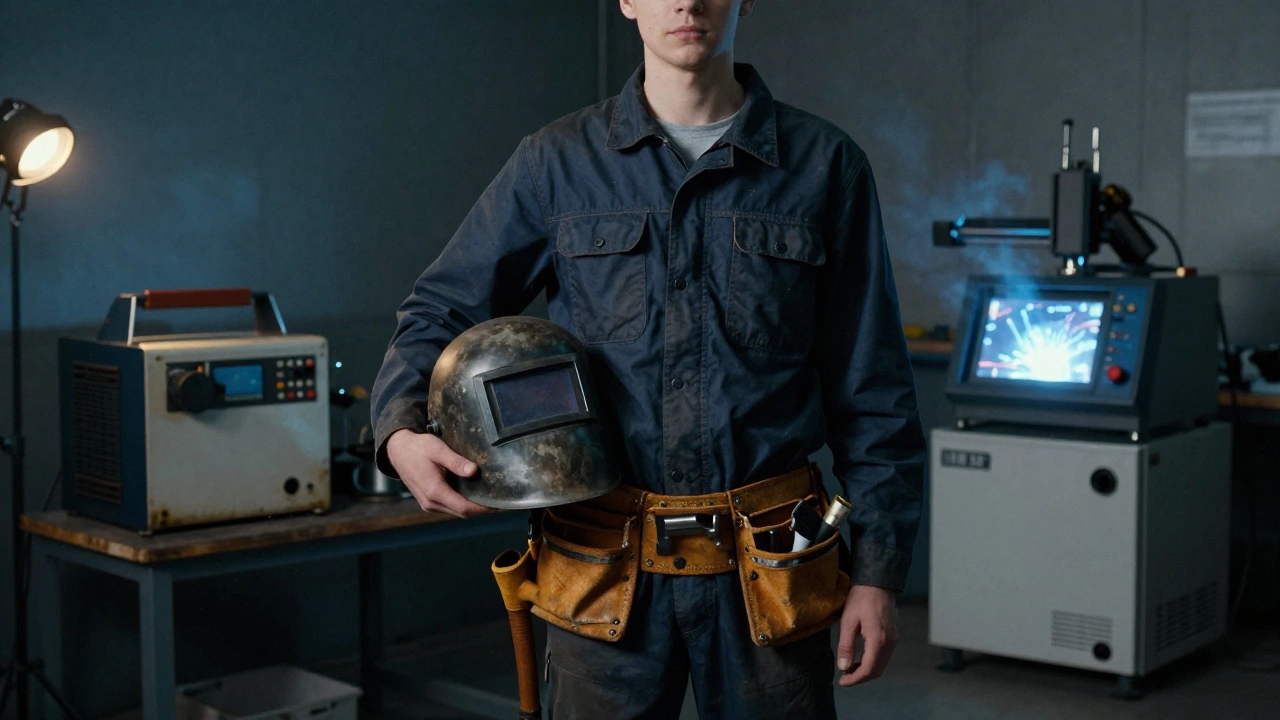
Career technical schools offer fast job training, but come with hidden downsides: lower lifetime earnings, limited mobility, outdated equipment, and few pathways to advancement. Know the risks before you enroll.
view more