Vocational Training Downsides: Real Risks and Hidden Challenges
When you think of vocational training, hands-on education for skilled trades like plumbing, locksmithing, or IT support that leads to certified jobs without a four-year degree. Also known as technical training, it's a fast track to earning, especially in India where demand for skilled workers is rising. But here’s the part no one shows you: vocational training isn’t a magic bullet. It’s powerful—but it comes with real trade-offs.
One big downside is career mobility, how hard it is to switch fields after you’ve trained in one specific trade. If you become a locksmith, you’re great at locks—but not at coding or nursing. Unlike a general degree, your skills are narrow. That’s fine if you love the work, but if you want to pivot later, you’re starting from scratch. And while some diplomas pay well—like cybersecurity or data analytics—many others pay modestly, especially early on. A plumber in Mumbai might earn ₹25,000 a month, but in a smaller town, it could be half that. Location, demand, and reputation matter more than the certificate.
Another hidden issue is employer bias, the lingering preference some companies still have for university degrees, even for roles where hands-on skills are all that matter. You’ll find job postings that say "degree preferred," even for entry-level technician roles. It’s not always fair, but it’s real. And while online certifications from Coursera or Google are gaining ground, many Indian employers still don’t know how to evaluate trade credentials. That means you often have to prove yourself longer than a degree holder—even if you’re more skilled.
Then there’s the lack of structure. Not all vocational institutes are created equal. Some are well-run, with industry connections and certified instructors. Others are just private centers with outdated tools and no job placement. You might spend six months learning to install PEX pipes, only to find out no local contractors hire from your school. That’s why checking reviews, talking to alumni, and asking about job placement rates isn’t optional—it’s survival.
And let’s not forget the social cost. In many parts of India, vocational paths still carry a stigma. Family pressure to "get a degree" is real. You might be told you’re "wasting your potential," even when you’re earning more than your cousin with a B.A. in English. That emotional weight can be heavier than any exam.
But here’s the truth: none of these downsides mean vocational training isn’t worth it. It’s just not simple. The best outcomes go to people who plan ahead—know the risks, pick the right program, build a network, and keep learning. Below, you’ll find real stories and practical guides from people who’ve walked this path. Some succeeded. Some got stuck. All of them learned something you won’t find in a brochure.
What Are the Disadvantages of Attending a Career Technical School?
Posted by Kieran Sethi with 0 comment(s)
1
Dec
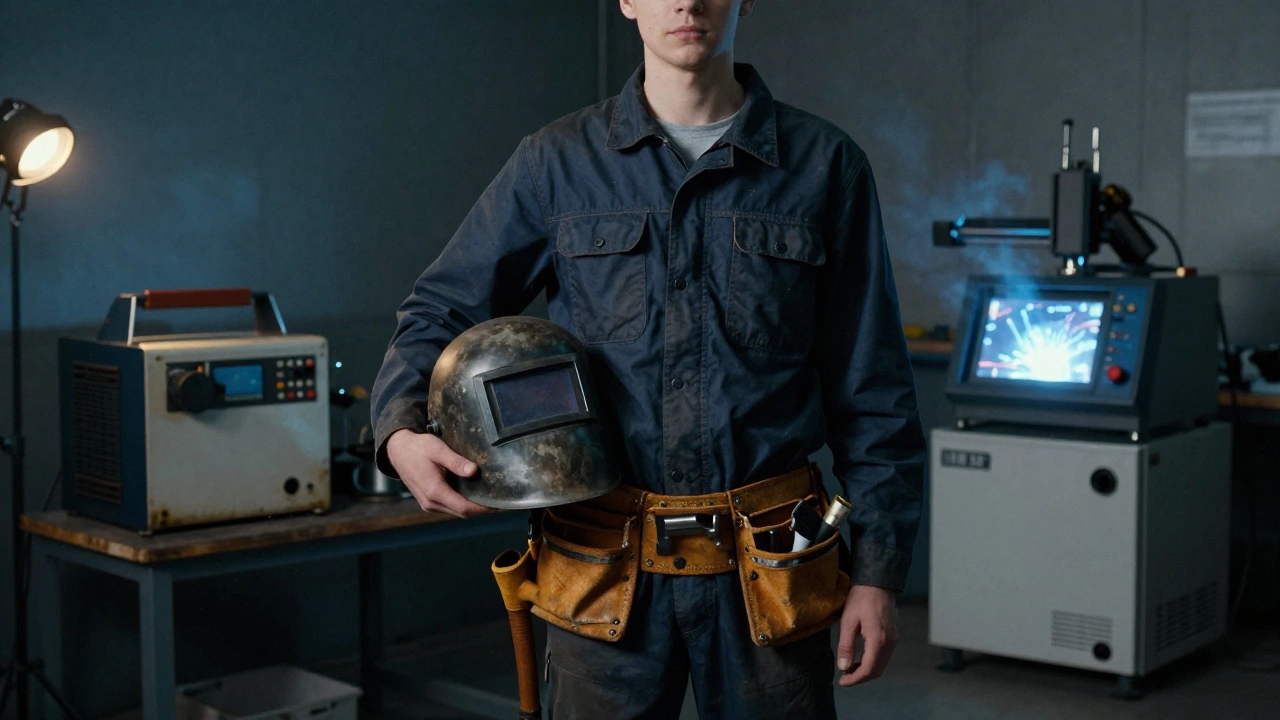
Career technical schools offer fast job training, but come with hidden downsides: lower lifetime earnings, limited mobility, outdated equipment, and few pathways to advancement. Know the risks before you enroll.
view more