Trade Courses India: Quick Paths to Good Jobs
Looking for a job without spending years in a classroom? Trade courses in India give you hands‑on skills in months, not years. They focus on what employers need right now – wiring, plumbing, welding, digital marketing, and more. Because the training is practical, you can start earning soon after you finish.
Why Choose Trade Courses?
First, they are affordable. Typical fees range from a few thousand to under a lakh, far less than a full degree. Second, the job market is hungry for trade talent. Companies report shortages in electricians, plumbers, and CNC operators, so wages stay competitive. Third, most courses include on‑the‑job practice, so you leave with a portfolio, not just a certificate.
Another perk is flexibility. Many institutes offer weekend batches, evening labs, or online theory modules that fit a day job. This means you can upskill while still earning. And because the curriculum updates fast, you learn the latest tools – think IoT‑enabled HVAC or cloud‑based marketing platforms.
Top Trade Courses to Consider in 2025
Plumbing Certification: A six‑month program covers pipe fitting, water‑supply systems, and safety codes. High‑paying jobs appear in construction firms and municipal services. Electrician Apprenticeship: A three‑month starter course followed by on‑site training gets you licensed to handle residential wiring, which is in constant demand.
Welding and Fabrication: Short courses teach MIG, TIG, and arc welding. Industries like shipbuilding, automotive, and infrastructure need certified welders, and salaries often exceed ₹4 lakhs per year after experience.
Digital Marketing Trade: Though not a traditional trade, a 4‑month certificate on SEO, PPC, and social media ads lands you freelance gigs or agency roles. Companies prefer candidates who can show live campaign results.
HVAC Technician: With India’s climate changing, HVAC services are booming. A 5‑month diploma covers installation, maintenance, and energy‑efficiency standards, leading to jobs in residential and commercial sectors.
To pick the right course, check three things: job placement rates, industry‑recognised certification, and hands‑on training hours. Most reputable institutes display these stats on their websites or brochures.
Once you decide, gather the required documents – ID proof, educational certificates, and a passport‑size photo. Many centers also ask for a short interview to gauge your interest. After enrollment, treat the first week like a real job: arrive early, ask questions, and start building a network with classmates and instructors.
Remember, the goal isn’t just a piece of paper; it’s the ability to solve real problems on site. Keep a notebook of common issues you encounter during training – that becomes your go‑to reference when employers ask about practical experience.
Trade courses in India are reshaping the job market. They give you a fast, affordable route to steady income and growth. Pick a skill that matches your interests, enroll today, and watch the doors open.
Who is the Number One Trade in India? Top High-Demand Vocational Careers Explained
Posted by Kieran Sethi with 0 comment(s)
14
Aug
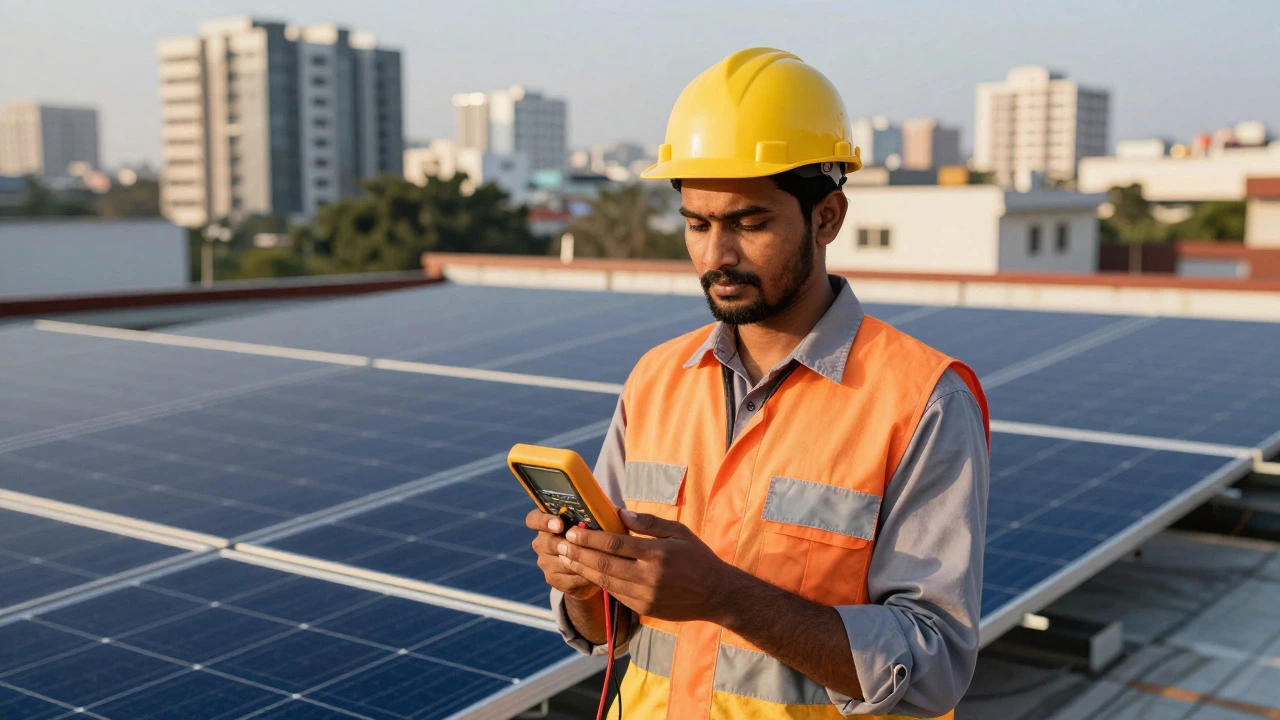
Discover the top trades in India for 2026. We analyze electrician, plumber, IT, and locksmith careers to help you choose the best vocational path for high income and job security.
view moreWhich Course Is Best for Foreign Trade? Top Options in India (2026)
Posted by Kieran Sethi with 0 comment(s)
10
Jul

Discover the best foreign trade courses in India for 2026. Compare MBAs, FIEO diplomas, and customs brokerage certs to find the right path for your career in international business.
view moreTypes of Trade in India: A Guide to Vocational and Commercial Paths
Posted by Kieran Sethi with 0 comment(s)
23
Jun

Explore the main types of trade in India, from skilled vocational jobs like electrician and plumber to commercial import/export sectors. Learn about ITI, NSQF, and career paths.
view more